Introduction
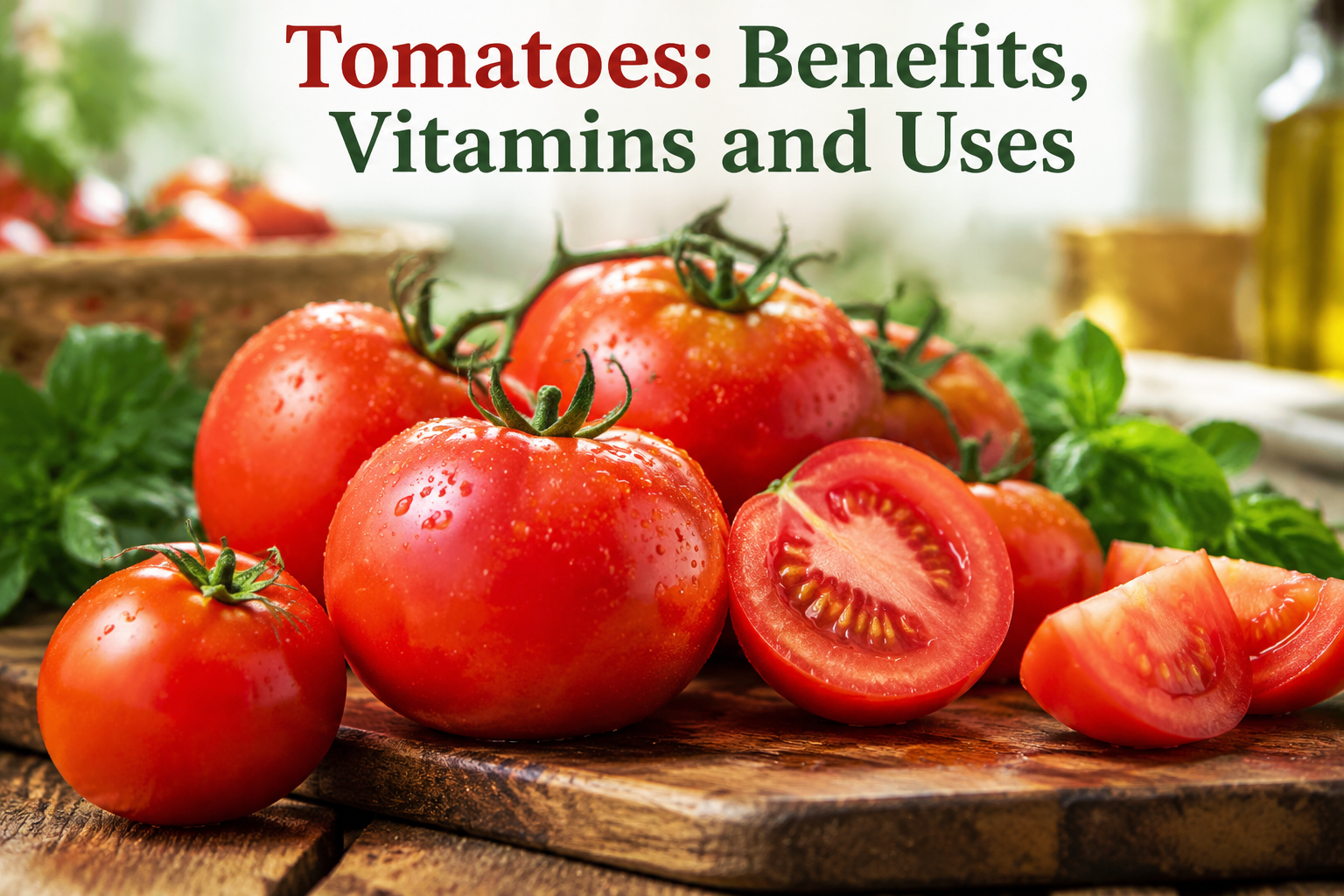
Tomatoes are one of the most popular and widely used vegetables in the world. Although many people consider tomatoes a vegetable, they are actually a fruit because they develop from the flower of the tomato plant and contain seeds. Their bright red color, juicy texture, and refreshing taste make them an important part of many cuisines around the globe.
From fresh salads and homemade sauces to soups, juices, and cooked dishes, tomatoes are used in countless ways. Besides their delicious taste, tomatoes are also known for their impressive nutritional value. They contain important vitamins, minerals, antioxidants, and plant compounds that support overall health.
Eating tomatoes regularly can provide many benefits, including better heart health, improved skin condition, stronger immunity, and better digestion. This simple food is affordable, easy to find, and can become a healthy addition to almost every diet.
In this article, we will explore the health benefits of tomatoes, their vitamins and nutrients, and the different ways tomatoes can be used in daily life.
Nutritional Value of Tomatoes
Tomatoes are low in calories but rich in essential nutrients. A medium sized tomato contains a high amount of water, which helps keep the body hydrated. It is also a good source of vitamins and minerals that the body needs for proper functioning.
A medium tomato provides:
• Vitamin C for immunity and skin health
• Vitamin A for healthy vision
• Vitamin K for normal blood clotting and bone health
• Potassium for heart function and blood pressure control
• Folate for cell growth and repair
• Fiber for healthy digestion
• Antioxidants that protect cells from damage
Tomatoes also contain a powerful antioxidant called lycopene, which gives them their natural red color. Lycopene is one of the main reasons tomatoes are considered a valuable food for health.
Health Benefits of Eating Tomatoes
1. Supports Heart Health
One of the most important benefits of tomatoes is their ability to support heart health. Tomatoes contain potassium, fiber, and antioxidants that help maintain a healthy cardiovascular system.
Potassium helps control blood pressure by balancing sodium levels in the body. A diet rich in potassium may help reduce pressure on blood vessels and support normal heart function.
The lycopene found in tomatoes has also been studied for its role in maintaining healthy cholesterol levels. Regular consumption of tomatoes as part of a balanced diet may help protect the heart and reduce certain risk factors related to heart problems.
Adding tomatoes to meals such as salads, soups, and cooked dishes can be a simple way to improve overall heart friendly eating habits.
2. Improves Skin Health
Tomatoes are beneficial for healthy and glowing skin because they contain vitamin C and antioxidants. Vitamin C plays an important role in collagen production, which helps maintain skin strength and elasticity.
Lycopene in tomatoes may also help protect the skin from damage caused by free radicals. Free radicals can contribute to early signs of aging, including wrinkles and dull skin.
Eating tomatoes regularly may support natural skin protection from inside the body. Many people also use tomato based products in skincare routines because of their refreshing and antioxidant properties.
However, eating tomatoes as part of a nutritious diet is the best way to receive their long term benefits.
3. Strengthens Immunity
A strong immune system helps the body fight infections and stay healthy. Tomatoes contain vitamin C, which is an essential nutrient for immune function.
Vitamin C supports the production and activity of white blood cells that help protect the body from harmful microorganisms.
Tomatoes also provide other antioxidants that help reduce oxidative stress and support the body’s natural defense system.
Including tomatoes with other fruits and vegetables can help create a balanced diet that supports better immunity.
4. Helps Improve Digestion
Tomatoes are a good source of dietary fiber, which supports healthy digestion. Fiber helps food move smoothly through the digestive system and can prevent common digestive problems such as constipation.
The high water content of tomatoes also supports hydration, which is important for normal bowel movement.
Eating fresh tomatoes with meals can add both flavor and nutritional value while supporting digestive health.
For people who want to improve digestion, tomatoes can be combined with other fiber rich foods such as vegetables, fruits, whole grains, and legumes.
5. Supports Eye Health
Tomatoes contain vitamin A and other plant compounds that support healthy eyesight. Vitamin A is important for maintaining normal vision and protecting the eyes.
The antioxidants lutein and zeaxanthin found in tomatoes may also help protect the eyes from oxidative stress.
A diet that includes colorful vegetables like tomatoes, carrots, and leafy greens can provide nutrients that support long term eye health.
6. Helps Maintain Healthy Weight
Tomatoes can be a useful food for people who want to maintain a healthy weight. They are naturally low in calories and contain a high amount of water, which helps increase fullness.
Adding tomatoes to meals can make food more satisfying without adding many calories.
They can be included in weight management diets through salads, vegetable dishes, soups, and healthy snacks.
A healthy weight depends on overall lifestyle, but choosing nutrient rich foods like tomatoes can support better eating habits.
7. Provides Antioxidant Protection
Tomatoes are rich in antioxidants that help protect body cells from damage. Antioxidants work against free radicals, which are unstable molecules that can affect healthy cells.
Lycopene is the most famous antioxidant in tomatoes, but they also contain vitamin C, beta carotene, and other beneficial compounds.
Regular consumption of antioxidant rich foods is an important part of a healthy lifestyle.
Important Vitamins Found in Tomatoes
Vitamin C
Vitamin C is one of the main nutrients found in tomatoes. It supports immunity, skin health, and the body’s natural healing process.
One medium tomato can provide a useful amount of daily vitamin C requirements.
Vitamin A
Tomatoes contain beta carotene, which the body converts into vitamin A. This vitamin supports eye health, skin health, and normal immune function.
Vitamin K
Vitamin K plays a role in blood clotting and bone health. Tomatoes provide a small but valuable amount of vitamin K.
Folate
Folate is important for cell growth and repair. It is especially important during periods when the body requires more cell development.
Potassium
Potassium helps maintain fluid balance, supports muscles, and contributes to normal blood pressure regulation.
Lycopene: The Powerful Compound in Tomatoes
Lycopene is a natural antioxidant responsible for the red color of tomatoes. It is one of the most researched compounds found in tomatoes.
Research suggests that lycopene may support heart health, skin protection, and overall wellness.
Interestingly, cooked tomatoes often contain more available lycopene because heat can help release this compound from the tomato structure. This means tomato sauces, soups, and cooked tomato dishes can also provide valuable nutrients.
Eating tomatoes with a small amount of healthy fat, such as olive oil, may also help the body absorb lycopene more effectively.
Different Uses of Tomatoes in Daily Life
Fresh Salads
Fresh tomatoes are commonly added to salads because they provide freshness, color, and flavor. They combine well with cucumber, onions, leafy greens, and herbs.
A simple tomato salad can be a healthy side dish with many meals.
Tomato Soup
Tomato soup is a popular comfort food enjoyed around the world. It provides warmth, flavor, and important nutrients.
Homemade tomato soup can be a healthy option when prepared with fresh ingredients.
Cooking and Sauces
Tomatoes are an essential ingredient in many sauces, curries, and traditional dishes. Their natural flavor enhances meals and adds nutritional value.
Cooked tomatoes are especially useful because cooking can increase the availability of some beneficial compounds like lycopene.
Tomato Juice
Tomato juice is another way to enjoy the benefits of tomatoes. It provides hydration and nutrients, although it is better to choose fresh juice without excessive salt or added ingredients.
Sandwiches and Snacks
Tomato slices are commonly used in sandwiches, burgers, and wraps. They add moisture, taste, and nutrition to everyday meals.
How to Choose and Store Tomatoes
When buying tomatoes, choose ones that have a bright color, firm texture, and fresh appearance. Avoid tomatoes with soft spots, damage, or unusual smells.
Fresh tomatoes can be stored at room temperature until they become fully ripe. After cutting, they should be stored in the refrigerator and consumed within a reasonable time.
Proper storage helps maintain their flavor and nutritional quality.
Are Tomatoes Safe for Everyone?
For most people, tomatoes are safe and healthy when eaten as part of a balanced diet. However, some individuals may experience sensitivity or digestive discomfort from acidic foods.
People with specific medical conditions should follow advice from their healthcare professionals regarding their diet.
Moderation and balance are important when adding any food to a healthy lifestyle.
Conclusion
Tomatoes are a simple yet powerful food that offers many health benefits. They are rich in vitamins, minerals, fiber, and antioxidants that support heart health, immunity, digestion, skin, and eye health.
The presence of lycopene makes tomatoes especially valuable because this antioxidant supports overall wellness and protects the body from oxidative stress.
Whether eaten fresh in salads, cooked in sauces, blended into soups, or enjoyed as juice, tomatoes are a versatile food that can easily become part of daily meals.