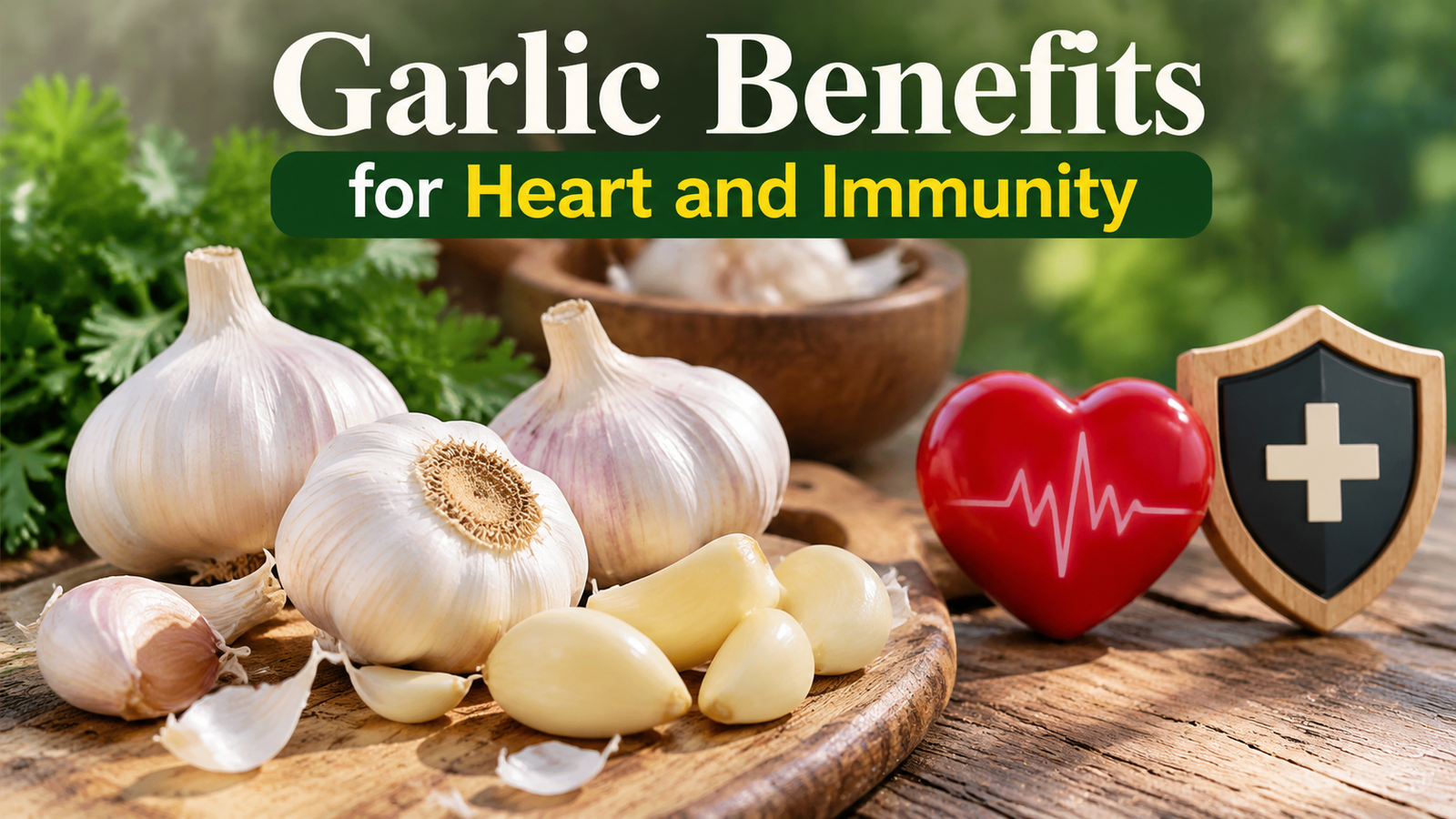
Garlic has been used for thousands of years as both a food ingredient and a natural health remedy. From ancient civilizations to modern kitchens, garlic has always held a special place because of its strong flavor and impressive nutritional value. Today, many researchers and health experts study garlic because of its potential benefits for heart health, immunity, digestion, and overall wellness.
The benefits of garlic for heart and immunity are mainly linked to its powerful natural compounds, especially a sulfur compound called allicin. When fresh garlic is chopped or crushed, allicin is released and provides many of the protective effects that make garlic a valuable part of a healthy diet.
Adding garlic to daily meals is a simple habit that can support a balanced lifestyle. However, garlic is not a replacement for medical treatment. Instead, it works best when combined with healthy eating, regular physical activity, proper sleep, and other good lifestyle choices.
Nutritional Value of Garlic
Garlic is a small food with a surprisingly rich nutritional profile. It contains important vitamins, minerals, and plant compounds that support the body in different ways.
A small amount of garlic provides nutrients such as vitamin C, vitamin B6, manganese, selenium, and fiber. It also contains antioxidants that help protect body cells from damage caused by free radicals.
The unique health properties of garlic come from sulfur containing compounds. These compounds are responsible for garlic’s strong smell and many of its biological effects. Allicin is the most well known compound, but garlic also contains other helpful substances that contribute to its health benefits.
Garlic Benefits for Heart Health
One of the most researched areas of garlic nutrition is its effect on heart health. A healthy heart depends on good blood circulation, balanced cholesterol levels, and controlled blood pressure. Garlic may support several of these important factors.
Garlic May Help Control Blood Pressure
High blood pressure is one of the major risk factors for heart disease. Research suggests that garlic may help relax blood vessels, allowing blood to flow more easily throughout the body.
The sulfur compounds in garlic can support the production of substances that help blood vessels expand. This effect may contribute to maintaining healthy blood pressure levels.
Including garlic as part of a balanced diet may be especially helpful for people who want to support cardiovascular health naturally. However, people taking blood pressure medication should consult their doctor before using large amounts of garlic supplements.
Garlic Supports Healthy Cholesterol Levels
Cholesterol plays an important role in the body, but unhealthy cholesterol levels can increase the risk of heart problems. Garlic has been studied for its possible ability to support better cholesterol balance.
Some studies suggest that regular garlic consumption may help reduce total cholesterol and support healthier levels of LDL cholesterol, often called bad cholesterol.
A healthy cholesterol level is not only about one food. It depends on the overall diet, exercise routine, body weight, and lifestyle habits. Garlic can be one helpful addition to a heart friendly eating pattern.
Garlic Helps Improve Blood Circulation
Good blood circulation allows oxygen and nutrients to reach different parts of the body. Garlic contains compounds that may support healthy blood flow and reduce certain factors that contribute to blood vessel problems.
The antioxidants in garlic also help protect blood vessels from oxidative stress. This protection may support long term heart wellness.
Garlic Provides Antioxidant Protection
Free radicals are unstable molecules that can damage cells in the body. Excessive oxidative stress may contribute to aging and different health problems.
Garlic contains antioxidants that help fight free radicals and protect cells. This antioxidant activity is one reason garlic is considered a valuable food for maintaining overall health.
Garlic Benefits for Immunity
A strong immune system helps the body defend itself against harmful bacteria, viruses, and other challenges. Garlic has been traditionally used during cold and flu seasons because of its natural immune supporting properties.
Garlic Strengthens the Body’s Natural Defense System
Garlic contains compounds that may support immune cell activity. These compounds help the body maintain a stronger defense system.
A balanced immune system depends on many factors including nutrition, sleep, stress management, and physical activity. Garlic can support this process by providing beneficial plant compounds.
Garlic May Help Fight Common Infections
Garlic has natural antimicrobial properties. Studies have shown that garlic compounds can affect certain bacteria and microorganisms.
For centuries, people have used garlic as a traditional remedy during infections and seasonal illnesses. Modern research continues to explore how garlic compounds interact with harmful microorganisms.
Although garlic can support general health, serious infections require proper medical attention.
Garlic and Cold Prevention
Many people use garlic during winter months because they believe it helps reduce the chances of catching common colds. Some research suggests that garlic may support immune function and may help shorten the duration of certain common illnesses.
Eating garlic regularly as part of a nutritious diet may provide additional support for the body’s defense system.
Garlic Contains Powerful Anti Inflammatory Compounds
Inflammation is a natural process that helps the body repair itself. However, long term inflammation can affect overall health.
Garlic contains compounds that may help regulate inflammatory responses in the body. This makes garlic an interesting food for people interested in supporting long term wellness.
A diet rich in vegetables, fruits, whole grains, and natural foods can help maintain a healthier balance of inflammation.
Garlic Supports Digestive Health
Garlic is also beneficial for digestion. It contains fiber and natural compounds that may support healthy gut bacteria.
A healthy gut plays an important role in immunity because a large part of the immune system is connected to the digestive system. By supporting beneficial bacteria, garlic may indirectly contribute to better immune function.
Some people may experience gas or stomach discomfort after eating large amounts of garlic. Starting with small amounts can help the body adjust.
Best Ways to Add Garlic to Your Diet
Garlic can easily be included in everyday meals. Many traditional cuisines around the world use garlic as a basic ingredient because it improves both taste and nutrition.
Fresh garlic is often considered one of the best options because crushing fresh cloves releases allicin. Adding raw or lightly cooked garlic to meals can help preserve some of its beneficial compounds.
Here are some simple ways to enjoy garlic:
Add chopped garlic to vegetables
Use garlic in soups and sauces
Mix garlic with healthy oils for cooking
Add roasted garlic to meals
Include garlic in homemade dressings
The goal is not to consume excessive amounts but to make garlic a regular part of a balanced diet.
Raw Garlic vs Cooked Garlic
Both raw and cooked garlic can provide health benefits, but preparation methods can change its nutritional properties.
Raw garlic contains more active allicin immediately after crushing. However, some people find raw garlic too strong for digestion.
Cooking garlic can reduce some beneficial compounds, but it still remains a nutritious food. A practical approach is to use garlic in different forms depending on personal taste and digestion.
How Much Garlic Should You Eat Daily?
There is no single amount of garlic that works perfectly for everyone. Many people include one or two fresh garlic cloves in their daily meals.
The right amount depends on personal health, diet, and tolerance. Eating very large quantities may cause digestive discomfort, bad breath, or stomach irritation.
Garlic supplements are also available, but they should be used carefully, especially by people taking blood thinning medicines or preparing for surgery.
Possible Side Effects of Eating Too Much Garlic
Although garlic is generally safe as a food, excessive consumption may cause some problems.
Common side effects can include:
Stomach irritation
Heartburn
Bad breath
Body odor
Digestive discomfort
People with sensitive digestion may need to consume smaller amounts.
Pregnant women, people with bleeding disorders, or those using certain medications should seek medical advice before taking high dose garlic supplements.
Garlic as Part of a Healthy Lifestyle
The benefits of garlic for heart and immunity are most effective when garlic is part of an overall healthy lifestyle.
A heart healthy lifestyle includes eating plenty of vegetables, maintaining a healthy weight, exercising regularly, avoiding smoking, managing stress, and getting enough sleep.
Garlic is not a miracle food that can prevent every disease, but it is a valuable natural ingredient that can support the body when combined with healthy habits.
Conclusion
Garlic is much more than a simple cooking ingredient. Its unique compounds, antioxidants, and nutrients make it a powerful addition to a healthy diet. The benefits of garlic for heart and immunity include supporting healthy blood pressure, maintaining cholesterol balance, improving circulation, and helping the body’s natural defense system.
Regular consumption of garlic in moderate amounts can be an easy and affordable way to improve the nutritional quality of daily meals. Whether added to soups, vegetables, sauces, or traditional recipes, garlic offers both flavor and health benefits.
A healthy body is built through consistent choices, and including natural foods like garlic is one simple step toward better heart health, stronger immunity, and overall wellness.