Introduction
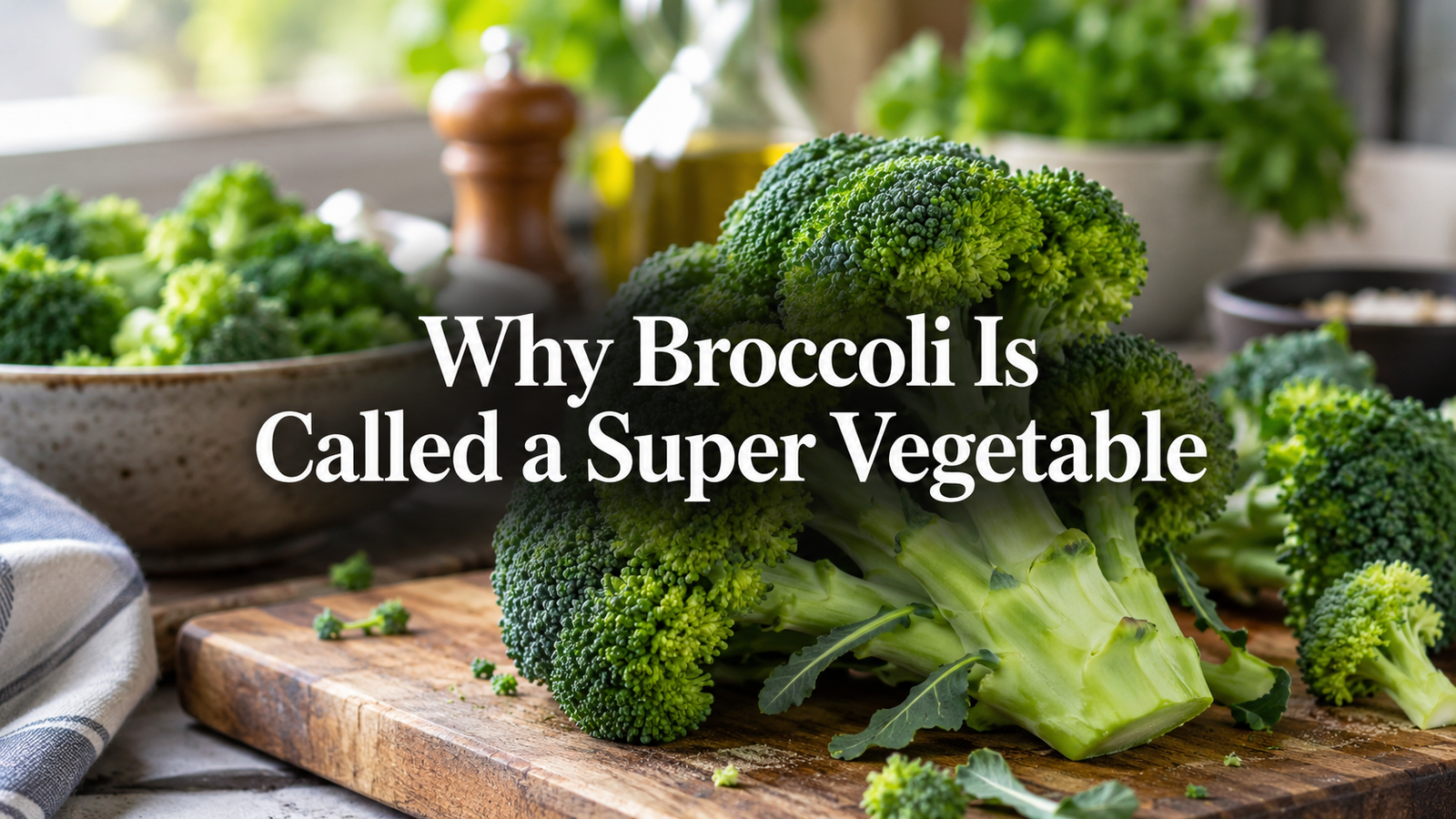
Broccoli is one of the most popular green vegetables in the world, and many people call it a super vegetable because of its impressive nutritional value. It is packed with vitamins, minerals, fiber, antioxidants, and plant compounds that support overall health. From improving digestion to supporting heart health and strengthening the immune system, broccoli offers many benefits that make it an important part of a balanced diet.
For centuries, vegetables have been considered essential for maintaining good health, but modern nutrition research has shown that some vegetables provide an exceptional amount of nutrients in every bite. Broccoli is one of those special vegetables. Its unique combination of vitamins, minerals, and protective compounds has made it a favorite choice among health experts and nutrition lovers.
Adding broccoli to daily meals is a simple way to increase nutrient intake. It can be eaten steamed, boiled, roasted, added to soups, mixed with salads, or cooked with other vegetables. Its versatility and health benefits are the main reasons why broccoli is called a super vegetable.
What Makes Broccoli a Super Vegetable?
The term super vegetable is used for foods that contain a high concentration of beneficial nutrients and compounds. Broccoli earns this title because it provides a wide range of nutrients while being low in calories.
One cup of cooked broccoli contains important amounts of vitamin C, vitamin K, folate, potassium, and fiber. It also contains antioxidants such as sulforaphane, which has attracted attention from researchers because of its potential health supporting properties.
Unlike many foods that provide only one or two major nutrients, broccoli works in multiple ways. It supports the immune system, helps maintain healthy digestion, protects cells from damage, and contributes to overall wellness.
Rich Source of Essential Vitamins and Minerals
One of the biggest reasons broccoli is considered a super vegetable is its impressive vitamin and mineral content.
Vitamin C for Strong Immunity
Broccoli is an excellent source of vitamin C, which plays an important role in supporting the immune system. Vitamin C helps the body produce white blood cells that protect against harmful microorganisms.
It also works as an antioxidant, helping protect body cells from damage caused by free radicals. Regular consumption of vitamin C rich foods like broccoli can contribute to better overall health.
Vitamin K for Strong Bones
Broccoli contains vitamin K, a nutrient that helps maintain healthy bones. Vitamin K supports the process of calcium absorption and plays a role in bone formation.
A diet that includes vitamin K rich vegetables may help support bone strength and reduce the risk of bone related problems as people age.
Folate for Cell Growth
Broccoli provides folate, which is especially important for cell growth and repair. Folate helps the body create new cells and supports normal body functions.
This nutrient is important for everyone, but it is particularly valuable during periods when the body needs increased cell development.
Potassium for Body Balance
Potassium is an essential mineral found in broccoli. It helps maintain fluid balance, supports normal muscle function, and contributes to healthy blood pressure levels.
Eating potassium rich foods as part of a balanced diet can support better heart and muscle health.
Broccoli Supports a Healthy Digestive System
A healthy digestive system is important for overall wellness, and broccoli can play a helpful role because it is rich in dietary fiber.
Fiber helps food move smoothly through the digestive system and supports regular bowel movements. People who include fiber rich foods like broccoli in their meals may experience better digestion.
Broccoli also contains natural plant compounds that support healthy gut bacteria. A balanced gut environment is connected with many aspects of health, including digestion, immunity, and metabolism.
Powerful Antioxidant Properties
One of the special qualities of broccoli is its antioxidant content. Antioxidants help protect the body from oxidative stress caused by unstable molecules called free radicals.
Free radicals are naturally produced in the body, but excessive amounts can affect cells. Eating antioxidant rich foods may help the body maintain better protection against cellular damage.
Broccoli contains several antioxidants, including vitamin C, carotenoids, and sulforaphane. These compounds make broccoli different from many ordinary vegetables and contribute to its super vegetable reputation.
Broccoli and Heart Health
A healthy heart is important for a long and active life, and broccoli may support cardiovascular wellness in several ways.
The fiber in broccoli can help maintain healthy cholesterol levels by supporting the removal of excess cholesterol from the body. High fiber diets are often linked with better heart health.
Broccoli also contains antioxidants and anti inflammatory compounds that may support healthy blood vessels. Including vegetables like broccoli in a balanced diet can be part of a heart friendly lifestyle.
Benefits of Broccoli for Weight Management
For people trying to maintain a healthy weight, broccoli is an excellent food choice.
Broccoli is low in calories but high in fiber and nutrients. This means it can help people feel satisfied after eating without adding too many calories to their daily intake.
Fiber slows digestion and helps control hunger, which may make it easier to follow healthy eating habits. Replacing high calorie foods with nutrient rich vegetables like broccoli is a smart approach for weight management.
Broccoli Supports Eye Health
Broccoli contains nutrients that are beneficial for eye health, including lutein and zeaxanthin. These plant compounds are known for their role in protecting the eyes from harmful light exposure.
As people grow older, maintaining good eye health becomes increasingly important. Eating colorful vegetables such as broccoli can provide nutrients that support vision and eye function.
Broccoli May Help Support Natural Body Protection
Broccoli contains a powerful plant compound called sulforaphane. This compound has been widely studied because of its relationship with the body’s natural defense systems.
Research suggests that sulforaphane may help activate protective processes inside cells. While broccoli is not a medicine and cannot prevent diseases by itself, including it in a healthy diet can support the body’s natural ability to stay strong.
Different Ways to Add Broccoli to Your Diet
One reason broccoli is loved around the world is its flexibility in cooking. It can be prepared in many simple and delicious ways.
Steamed broccoli is one of the healthiest options because it helps preserve many nutrients. Roasted broccoli with herbs and spices can create a flavorful side dish. Broccoli can also be added to soups, pasta, rice dishes, omelets, and salads.
For children who may not enjoy vegetables, broccoli can be mixed with cheese, sauces, or other favorite foods to make it more appealing.
The key is to include broccoli regularly as part of a balanced eating pattern.
Raw Broccoli vs Cooked Broccoli
Both raw and cooked broccoli can provide health benefits, but the nutrient levels may vary depending on the cooking method.
Raw broccoli contains many natural compounds in their original form. Light cooking methods such as steaming can help preserve nutrients while making broccoli easier to digest.
Boiling broccoli for a long time may reduce some water soluble vitamins because they can move into the cooking water. For maximum benefits, gentle cooking methods are usually preferred.
Why Children and Adults Should Eat Broccoli
Broccoli is beneficial for people of all ages because it provides essential nutrients needed throughout life.
Children need vitamins and minerals for growth and development. Adults need nutrients that support energy, immunity, and overall health. Older adults can benefit from broccoli because of its fiber, antioxidants, and bone supporting nutrients.
Making vegetables a regular part of family meals helps create healthy eating habits that can continue for years.
How Much Broccoli Should You Eat?
There is no exact amount of broccoli that everyone must eat because nutritional needs depend on age, activity level, and overall diet.
However, including vegetables like broccoli several times a week can help increase nutrient intake. A balanced diet should include a variety of vegetables, fruits, whole grains, proteins, and healthy fats.
Broccoli is powerful, but it works best when combined with other healthy foods.
Choosing and Storing Fresh Broccoli
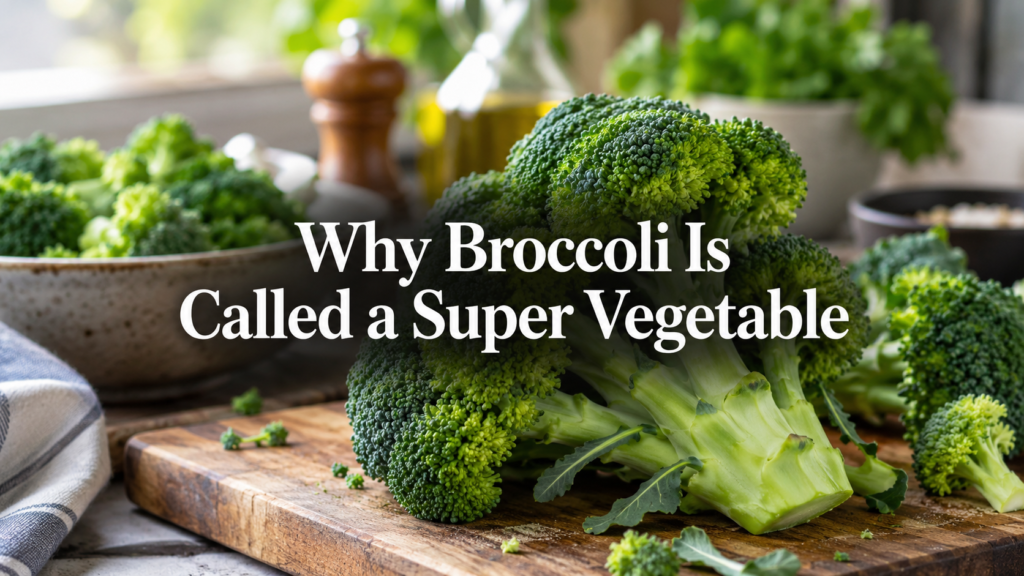
When buying broccoli, look for firm green heads with tightly closed florets. Fresh broccoli should feel heavy for its size, and the stems should not appear soft or damaged.
To keep broccoli fresh, store it in the refrigerator. Keeping it dry before storage can help maintain its quality for a longer time.
Fresh broccoli can be washed before cooking and prepared in different ways according to personal taste.
Conclusion
Broccoli is called a super vegetable because it offers an impressive combination of vitamins, minerals, fiber, antioxidants, and protective plant compounds. It supports many areas of health, including digestion, immunity, heart health, eye health, and weight management.
Its nutritional value, low calorie content, and easy preparation make it one of the best vegetables to include in everyday meals. Whether steamed, roasted, added to soups, or enjoyed in salads, broccoli is a simple food that provides powerful benefits.
A healthy lifestyle is built through small daily choices, and adding nutrient rich vegetables like broccoli is one of the easiest steps toward better health. This green vegetable truly deserves its reputation as a super vegetable because it provides valuable nutrition in a natural and delicious way.