Introduction
Cauliflower is one of the most popular vegetables around the world because of its mild taste, impressive nutrition profile, and many uses in cooking. It belongs to the cruciferous vegetable family, which also includes broccoli, cabbage, and kale. For centuries, people have used cauliflower as a healthy food because it provides important vitamins, minerals, fiber, and plant compounds that support overall health.
Today, cauliflower has become especially popular among people who want to follow a balanced diet, manage weight, improve digestion, and add more vegetables to their meals. It is a low calorie vegetable that can be cooked in many different ways. From soups and salads to roasted dishes and healthy rice alternatives, cauliflower can easily become part of a nutritious lifestyle.
The health benefits of cauliflower come from its rich supply of nutrients and natural antioxidants. Eating cauliflower regularly may help support heart health, improve digestion, strengthen immunity, and provide important nutrients needed for the body. In this article, we will explore cauliflower nutrition facts, health benefits, and why this vegetable deserves a place in your daily diet.
Cauliflower Nutrition Facts
Cauliflower is a nutrient dense vegetable that provides many essential nutrients while containing very few calories. One cup of cooked cauliflower contains approximately 25 calories, making it an excellent choice for people who want to maintain a healthy weight.
Cauliflower contains important vitamins and minerals including vitamin C, vitamin K, folate, potassium, magnesium, and calcium. It also provides dietary fiber, which helps maintain a healthy digestive system.
The nutritional value of cauliflower includes:
Vitamin C: Supports immune function and helps protect cells from damage.
Vitamin K: Important for healthy bones and normal blood clotting.
Folate: Supports cell growth and is especially important during periods of rapid development.
Fiber: Helps digestion and promotes a feeling of fullness.
Potassium: Helps maintain healthy blood pressure levels.
Antioxidants: Protect the body from harmful free radicals.
Because of this combination of nutrients, cauliflower is considered a valuable vegetable for maintaining good health.
Cauliflower Is Excellent for Weight Management
One of the biggest benefits of cauliflower is its role in weight management. Many people struggle with controlling calorie intake while still wanting satisfying meals. Cauliflower can help solve this problem because it provides volume and nutrients without adding many calories.
The high fiber content in cauliflower helps you feel full for a longer time. When you feel satisfied after eating, you are less likely to overeat or consume unhealthy snacks. This makes cauliflower a useful food for people who are trying to achieve or maintain a healthy body weight.
Many people also use cauliflower as a replacement for high calorie foods. For example, cauliflower rice can be used instead of traditional rice, and cauliflower mash can replace mashed potatoes. These alternatives allow people to enjoy familiar meals while reducing calorie intake.
A healthy diet that includes vegetables like cauliflower can support long term weight control when combined with regular physical activity and balanced eating habits.
Supports Better Digestion
Cauliflower is a good source of dietary fiber, which plays an important role in digestive health. Fiber helps move food through the digestive system and supports regular bowel movements.
A diet rich in fiber can help prevent common digestive problems such as constipation. Fiber also supports the growth of beneficial bacteria in the gut. A healthy gut environment is important because it affects digestion, nutrient absorption, and overall wellness.
Cauliflower also contains water, which works together with fiber to support healthy digestion. Drinking enough water and eating fiber rich foods like cauliflower can help maintain a comfortable digestive system.
However, some people may experience gas or bloating after eating cauliflower because it contains natural compounds that can be difficult for sensitive digestive systems to break down. Cooking cauliflower properly and increasing intake gradually can help reduce these effects.
Strengthens the Immune System
A strong immune system helps the body fight infections and stay healthy. Cauliflower supports immune health mainly because of its high vitamin C content.
Vitamin C acts as an antioxidant and helps protect body cells from damage. It also supports the production and function of immune cells that defend the body against harmful microorganisms.
Regular consumption of vitamin C rich foods such as cauliflower, citrus fruits, and other vegetables can contribute to a balanced diet that supports natural immunity.
Instead of relying only on supplements, getting vitamins from whole foods provides a combination of nutrients that work together to support health.
Promotes Heart Health
Eating cauliflower may also support cardiovascular health. The fiber, potassium, antioxidants, and plant compounds found in cauliflower can contribute to better heart function.
Fiber may help maintain healthy cholesterol levels by supporting the removal of excess cholesterol from the body. High cholesterol is one of the factors associated with heart disease risk.
Potassium in cauliflower helps regulate fluid balance and supports healthy blood pressure. A diet that includes potassium rich foods can be beneficial for maintaining normal blood pressure levels.
The antioxidants in cauliflower help reduce oxidative stress, which can affect blood vessels and heart health over time. Including vegetables like cauliflower as part of a balanced diet is a simple way to support cardiovascular wellness.
Contains Powerful Antioxidants
Cauliflower is rich in antioxidants that help protect the body from oxidative stress. Oxidative stress occurs when harmful free radicals damage cells and contribute to aging and various health problems.
One important group of antioxidants found in cauliflower is glucosinolates and isothiocyanates. These natural plant compounds are studied for their potential protective effects on health.
Cauliflower also contains carotenoids and flavonoids, which are plant compounds linked with overall wellness. Eating a variety of colorful vegetables helps provide different antioxidants that support the body in many ways.
Supports Bone Health
Strong bones require several important nutrients, including vitamin K, calcium, magnesium, and other minerals. Cauliflower provides some of these nutrients and can contribute to a bone friendly diet.
Vitamin K plays a role in maintaining healthy bones by helping regulate proteins involved in bone formation. Although cauliflower alone cannot provide all nutrients needed for strong bones, it can be part of a balanced eating pattern that includes dairy products, nuts, seeds, and other mineral rich foods.
Regular vegetable intake is associated with better overall nutrition, which supports healthy aging and physical strength.
Helps Maintain Healthy Skin
Healthy skin depends on proper nutrition, hydration, and protection from environmental damage. Cauliflower can support skin health because it contains vitamin C and antioxidants.
Vitamin C is involved in collagen production. Collagen is a protein that helps maintain skin structure and elasticity. As people age, collagen production naturally decreases, making nutrient rich foods important for supporting skin appearance.
The antioxidants in cauliflower may also help protect skin cells from damage caused by environmental factors. A diet rich in vegetables, fruits, and healthy fats can contribute to healthier looking skin.
Cauliflower and Blood Sugar Control
Cauliflower can be a useful food choice for people who want to maintain balanced blood sugar levels. It is low in carbohydrates compared with many common foods and contains fiber that slows digestion.
Fiber helps prevent rapid increases in blood sugar after meals by slowing the absorption of carbohydrates. This makes high fiber vegetables an important part of many balanced meal plans.
Replacing refined carbohydrate foods with vegetables like cauliflower can help improve the overall quality of a diet. However, people with diabetes should always follow personalized advice from healthcare professionals.
Supports Healthy Brain Function
Good nutrition plays an important role in brain health. Cauliflower contains nutrients such as choline, vitamin C, and antioxidants that support normal brain function.
Choline is a nutrient involved in brain development, memory, and nervous system health. Cauliflower provides a small amount of choline that contributes to daily nutrient intake.
The antioxidants in cauliflower may also help protect brain cells from oxidative stress. Eating a variety of vegetables is associated with a healthier dietary pattern that supports mental and physical wellness.
Different Ways to Add Cauliflower to Your Diet
One reason cauliflower is so popular is its flexibility in cooking. It can be prepared in many healthy and delicious ways.
Some common ways to enjoy cauliflower include:
Roasted cauliflower with herbs and spices
Cauliflower soup for a warm and nutritious meal
Cauliflower rice as a low calorie alternative
Steamed cauliflower as a simple side dish
Mashed cauliflower instead of traditional mashed potatoes
Cauliflower in salads and vegetable mixes
Adding cauliflower to different meals can make healthy eating more enjoyable and interesting.
How to Choose and Store Cauliflower
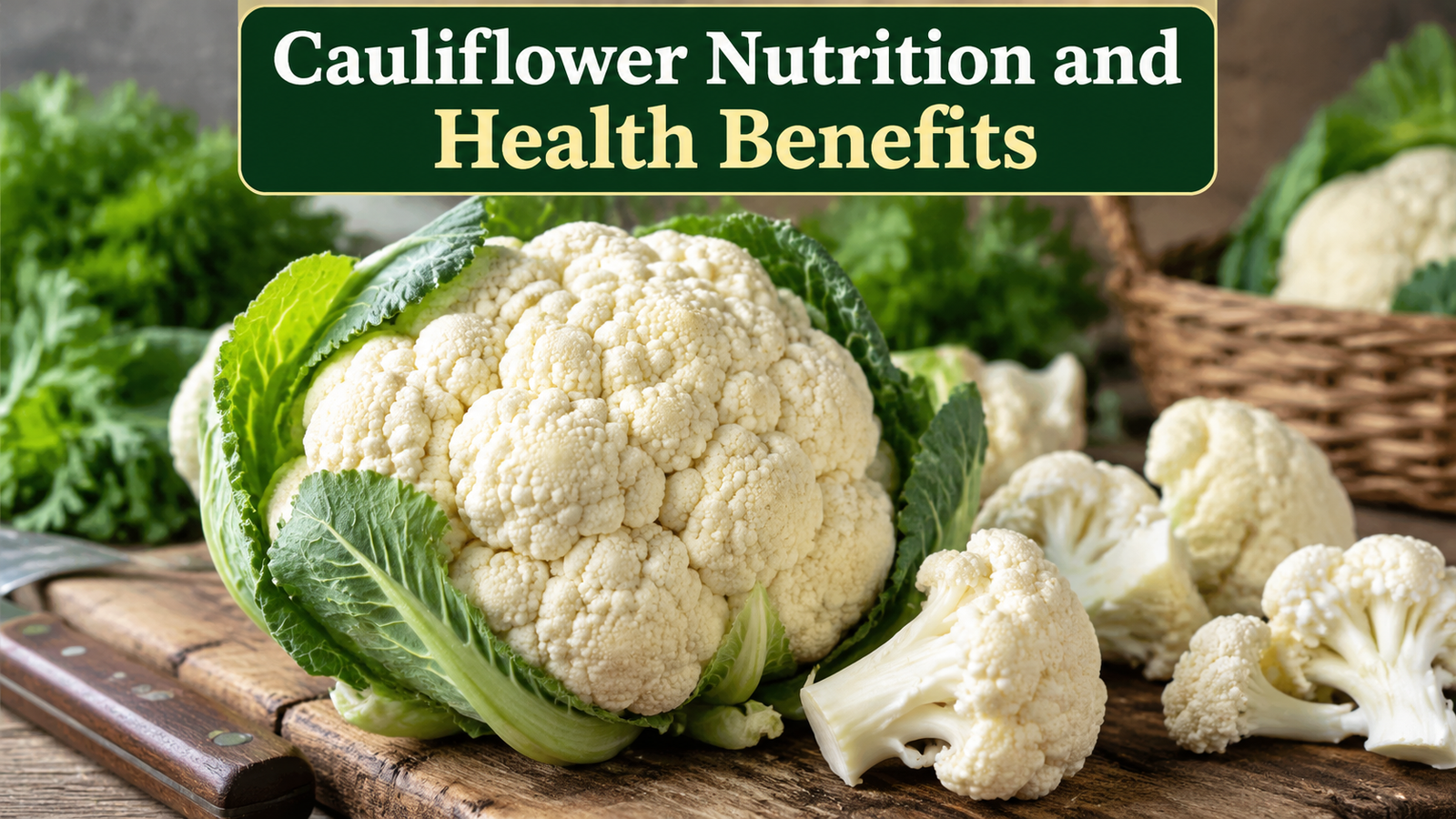
When buying cauliflower, choose a vegetable with firm white florets and fresh green leaves. Avoid cauliflower with dark spots, soft areas, or signs of spoilage.
Store cauliflower in the refrigerator to keep it fresh for a longer time. Keeping it in a breathable bag can help maintain quality. Fresh cauliflower usually stays good for several days when stored properly.
Washing cauliflower before cooking is important to remove dirt and unwanted particles.
Conclusion
Cauliflower is a nutritious vegetable that offers many health benefits. It is low in calories, rich in fiber, and packed with important vitamins, minerals, and antioxidants. From supporting digestion and immunity to helping with weight management and heart health, cauliflower can play an important role in a balanced diet.
Its versatility makes it easy to include in everyday meals. Whether you enjoy it roasted, steamed, blended into soups, or used as a healthy alternative to traditional foods, cauliflower provides valuable nutrition without adding excessive calories.