Introduction
Vegetables are one of the most important parts of a healthy diet. For thousands of years, people have used vegetables as a natural source of energy, vitamins, minerals, and protective nutrients. A balanced meal is incomplete without vegetables because they provide the body with essential elements needed for growth, repair, and overall wellness.
In today’s busy lifestyle, many people depend on processed foods, fast food, and ready made meals. These foods may save time, but they often contain fewer nutrients and more unhealthy ingredients. Adding the best vegetables to eat every day can help improve digestion, support the immune system, maintain a healthy weight, and protect the body from many health problems.
Vegetables are naturally low in calories and rich in fiber. They contain important vitamins such as vitamin A, vitamin C, vitamin K, and several B vitamins. They also provide minerals like potassium, magnesium, calcium, and iron. Eating a variety of vegetables daily gives the body a wide range of nutrients that support different functions.
This article explains the best vegetables to eat every day and why they are valuable for maintaining a healthy lifestyle.
Why Eating Vegetables Every Day Is Important
Daily vegetable consumption plays an important role in keeping the body healthy. Vegetables contain natural compounds called antioxidants that help protect cells from damage caused by harmful molecules. These protective compounds support long term health and help the body function properly.
One of the biggest benefits of vegetables is their high fiber content. Fiber helps improve digestion, supports regular bowel movements, and keeps the digestive system healthy. People who eat enough vegetables often experience better digestion and improved gut health.
Vegetables also support heart health because many varieties contain nutrients that help maintain healthy blood pressure and cholesterol levels. Leafy greens, tomatoes, and carrots contain compounds that support the cardiovascular system.
Another important benefit is weight management. Since vegetables contain water and fiber, they help people feel full for longer periods. This can reduce unnecessary snacking and support healthy eating habits.
Eating vegetables every day is not only about preventing illness. It is also about improving daily energy, concentration, and overall quality of life.
Best Vegetables to Eat Every Day
1. Spinach
Spinach is one of the most nutritious leafy green vegetables. It is packed with vitamins, minerals, and antioxidants that support overall health. Spinach contains vitamin A, vitamin C, vitamin K, folate, iron, and magnesium.
One of the main benefits of spinach is its ability to support healthy blood and energy levels because it contains iron and folate. These nutrients are important for producing healthy red blood cells.
Spinach is also beneficial for eye health because it contains antioxidants such as lutein and zeaxanthin. These compounds help protect the eyes from harmful effects caused by daily exposure to light.
You can add spinach to salads, soups, smoothies, or cooked meals. Including spinach regularly is an easy way to increase your daily vegetable intake.
2. Broccoli
Broccoli is often called a super vegetable because of its impressive nutritional profile. It contains fiber, vitamin C, vitamin K, folate, and powerful plant compounds.
Broccoli supports the immune system because vitamin C helps the body defend against infections. Its fiber content also improves digestion and supports a healthy gut.
Another important benefit of broccoli is its antioxidant content. These antioxidants help protect body cells from oxidative stress and support overall wellness.
Broccoli can be steamed, roasted, added to soups, or included in different dishes. Eating broccoli several times a week can provide many health benefits.
3. Carrots
Carrots are one of the most popular vegetables around the world. They are especially known for supporting eye health because they contain beta carotene, which the body converts into vitamin A.
Vitamin A plays an important role in maintaining good vision, healthy skin, and proper immune function. Carrots also contain fiber that supports digestion.
The natural sweetness of carrots makes them a healthy snack option. They can be eaten raw, cooked, added to salads, or used in soups.
Regular carrot consumption can contribute to better nutrition and help provide important protective nutrients.
4. Tomatoes
Tomatoes are rich in vitamins, minerals, and antioxidants. They contain vitamin C, potassium, and a powerful antioxidant called lycopene.
Lycopene gives tomatoes their red color and has been studied for its role in supporting heart health and protecting cells from damage.
Tomatoes are also useful because they are easy to include in everyday meals. They can be added to salads, sauces, soups, and many traditional dishes.
Eating tomatoes regularly is a simple way to increase antioxidant intake.
5. Cauliflower
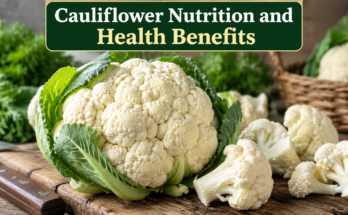
Cauliflower is a versatile vegetable that provides many important nutrients. It contains fiber, vitamin C, vitamin K, and several beneficial plant compounds.
Cauliflower supports digestion because of its fiber content. It also helps provide nutrients that support the immune system.
Many people use cauliflower as a healthier alternative to high calorie foods. It can be roasted, cooked with spices, added to soups, or used in creative recipes.
Including cauliflower in your weekly diet can increase variety and improve overall nutrition.
6. Sweet Potatoes
Sweet potatoes are nutrient rich vegetables that provide complex carbohydrates, fiber, and important vitamins. They are especially high in beta carotene, which supports eye health and immunity.
Unlike many processed carbohydrate foods, sweet potatoes provide lasting energy because they contain fiber and natural nutrients.
They are a good choice for people who want to maintain healthy eating habits while enjoying a naturally sweet food.
Sweet potatoes can be baked, boiled, or added to different healthy meals.
7. Cucumbers
Cucumbers are excellent vegetables for hydration because they contain a high amount of water. Staying hydrated is important for digestion, skin health, and normal body functions.
Cucumbers also provide small amounts of vitamins and minerals. They are low in calories, making them a good choice for people focusing on weight management.
They can be eaten fresh in salads, sandwiches, or as a refreshing snack.
8. Beetroot
Beetroot is a colorful vegetable known for its nutritional benefits. It contains fiber, folate, potassium, and natural plant compounds.
Many people include beetroot in their diet because it supports healthy blood circulation and energy levels. Its natural nitrates may help support normal blood flow.
Beetroot can be eaten cooked, added to salads, or blended into healthy drinks.
9. Garlic
Although garlic is often used as a seasoning, it is also considered a powerful vegetable with many health benefits.
Garlic contains sulfur compounds that give it its strong smell and provide protective properties. It has traditionally been used to support immunity and overall wellness.
Adding garlic to meals is an easy way to improve flavor while increasing nutritional value.
10. Ginger
Ginger is another vegetable commonly used for both food and traditional health purposes. It contains natural compounds that support digestion and help maintain comfort after meals.
Ginger may help reduce digestive discomfort and is often used in teas, soups, and cooking.
Including small amounts of ginger in daily meals can add both flavor and nutritional benefits.
Benefits of Eating Vegetables Every Day
Supports Better Digestion
Vegetables are among the best natural sources of dietary fiber. Fiber helps food move smoothly through the digestive system and supports a healthy balance of gut bacteria.
A diet rich in vegetables can help maintain regular digestion and prevent common digestive problems.
Strengthens Immunity
Many vegetables contain vitamin C, antioxidants, and other nutrients that support the immune system. Regular vegetable intake helps provide the body with nutrients needed for natural defense.
Helps Maintain Healthy Weight
Vegetables are naturally low in calories but high in fiber and water. They help create a feeling of fullness, making it easier to control portion sizes.
Replacing some high calorie foods with vegetables can support healthy weight management.
Improves Heart Health
Vegetables provide potassium, fiber, and antioxidants that support cardiovascular health. A diet rich in vegetables is an important part of maintaining a healthy heart.
Supports Healthy Skin
Many vegetables contain vitamins and antioxidants that help maintain healthy skin. Carrots, spinach, and tomatoes provide nutrients that support skin health from within.
How to Add More Vegetables to Your Daily Diet
Adding vegetables to your meals does not have to be difficult. Small changes can create better eating habits.
Start your day by adding vegetables to breakfast. You can include spinach, tomatoes, or other vegetables with eggs.
At lunch and dinner, try filling half of your plate with vegetables. Add salads, cooked vegetables, or vegetable based soups.
Keep fresh vegetables available at home so they become an easy choice when you feel hungry.
Try different cooking methods such as steaming, roasting, grilling, or lightly cooking vegetables with healthy oils and spices.
Eating a variety of colors is also important because different vegetables provide different nutrients.
Common Mistakes People Make With Vegetables
One common mistake is eating only one type of vegetable regularly. The body benefits from variety because different vegetables contain different nutrients.
Another mistake is overcooking vegetables. Long cooking times can reduce some heat sensitive nutrients. Gentle cooking methods often help preserve nutritional value.
Some people also avoid vegetables because they think healthy food is boring. However, vegetables can be made delicious by using herbs, spices, and different cooking styles.
Conclusion
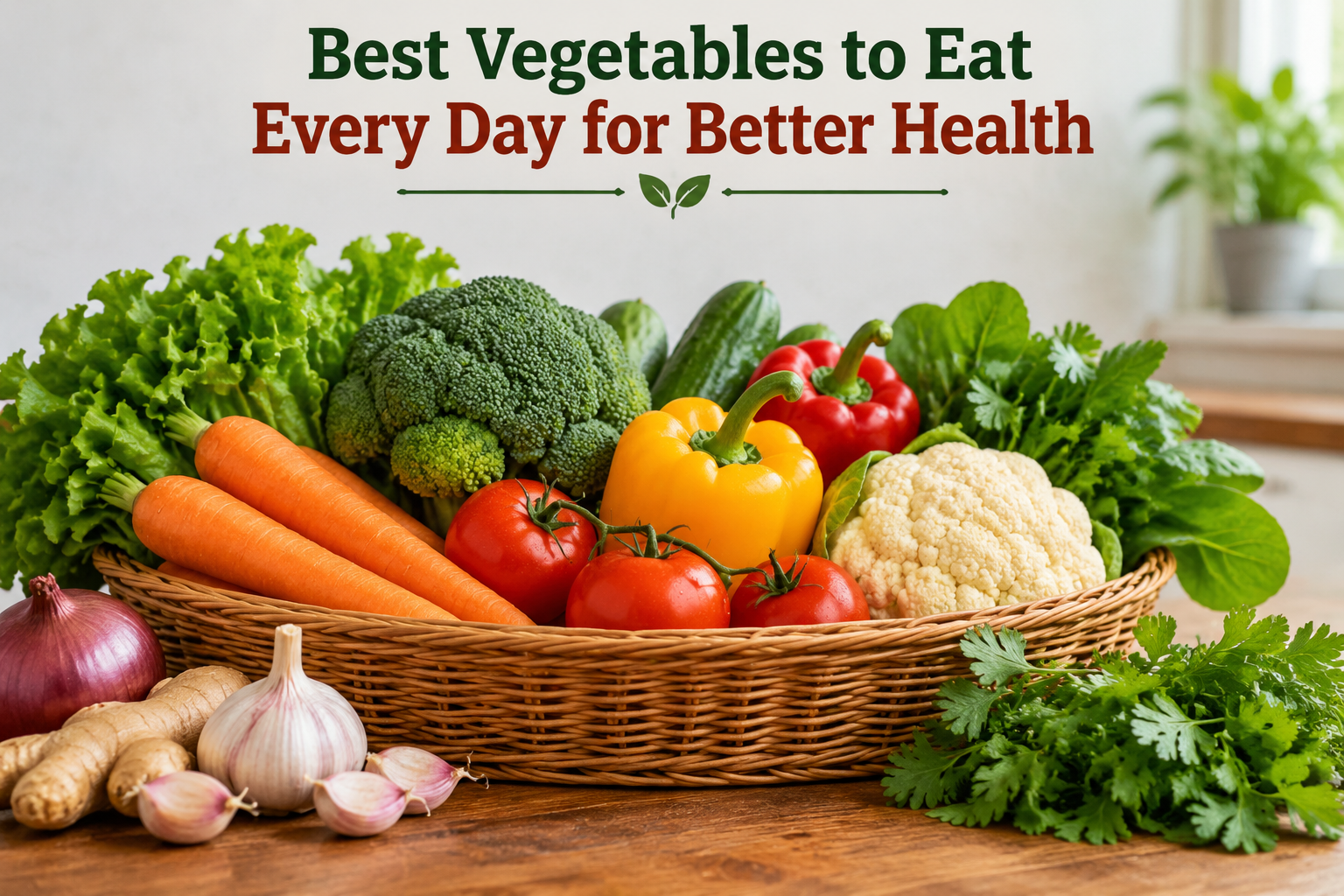
The best vegetables to eat every day are those that provide a wide range of vitamins, minerals, fiber, and antioxidants. Vegetables such as spinach, broccoli, carrots, tomatoes, cauliflower, sweet potatoes, cucumbers, beetroot, garlic, and ginger can contribute to better health when included regularly.
A healthy lifestyle does not require complicated changes. Simple habits, such as adding more vegetables to daily meals, can create a strong foundation for long term wellness.
Vegetables are natural foods that support digestion, immunity, heart health, weight management, and overall body function. Making vegetables a regular part of your diet is one of the easiest and most effective steps toward a healthier life.