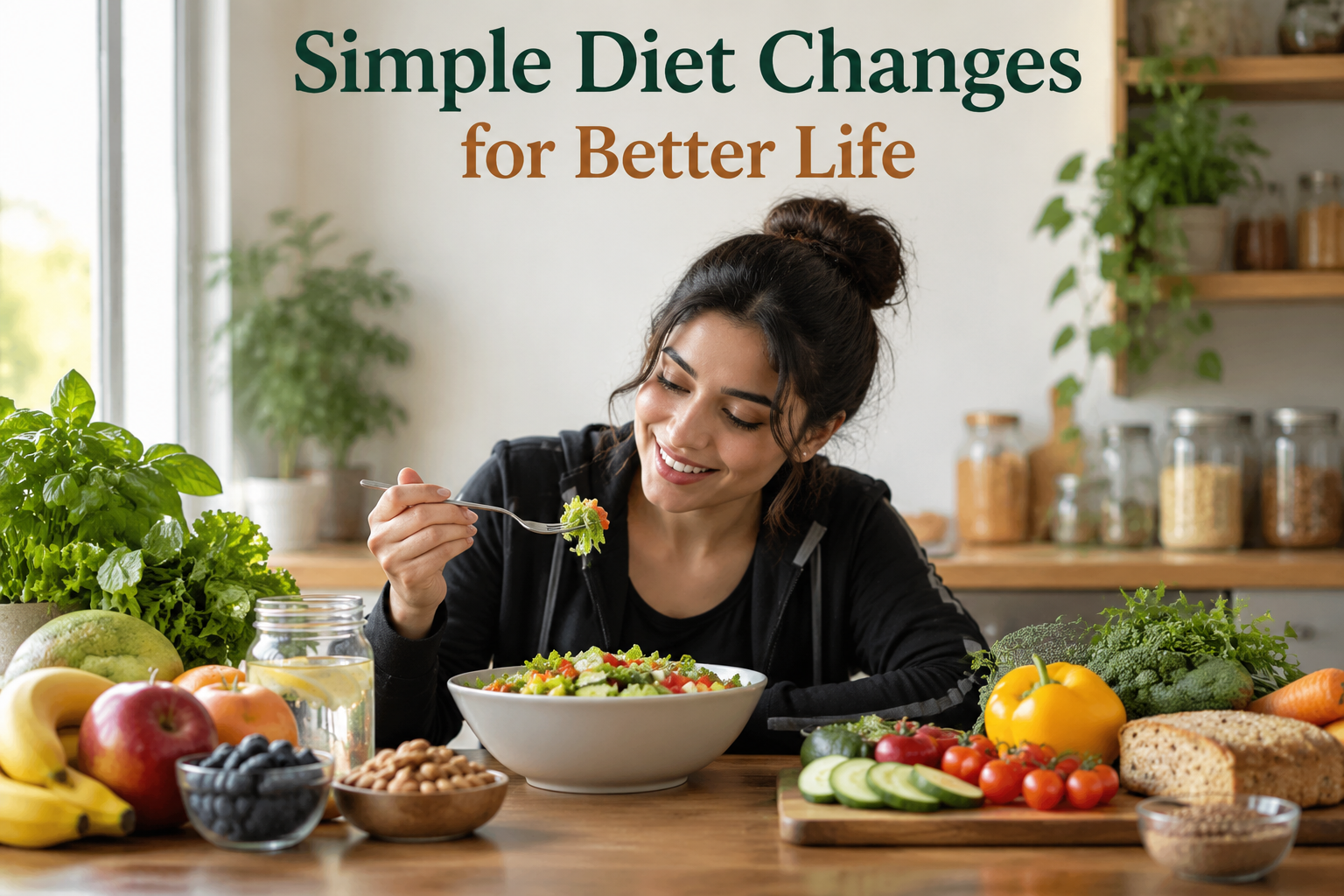
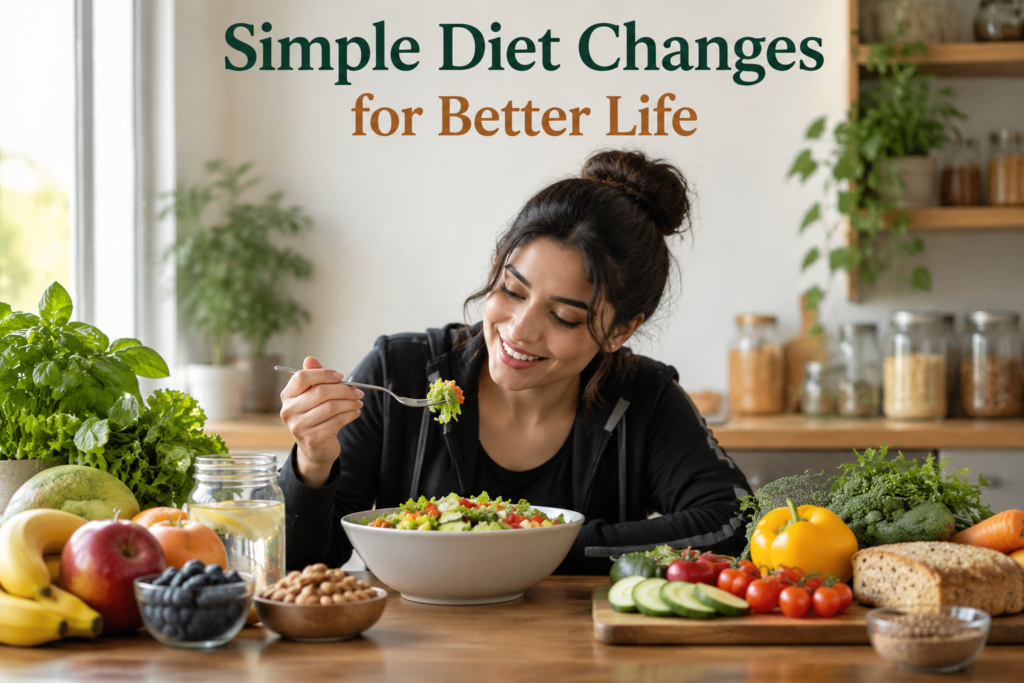
A healthy life does not always require extreme diets, expensive supplements, or complicated meal plans. Many people think that improving health means making big changes overnight, but the truth is that small and simple diet changes can create powerful results over time. The food we eat every day affects our energy, mood, digestion, weight, immunity, and overall quality of life. By making better food choices and developing healthy eating habits, we can support our body naturally and enjoy a more active and balanced lifestyle.
Simple diet changes for better life are about creating a positive relationship with food. It is not about completely avoiding your favorite meals or following strict rules. It is about understanding what your body needs and making smarter choices that are easy to continue for a long time. Small improvements in daily eating habits can help prevent health problems and make you feel better physically and mentally.
Start Your Day With a Healthy Breakfast
Breakfast is one of the most important meals of the day because it provides the energy needed to begin daily activities. A balanced breakfast can improve concentration, support metabolism, and reduce unnecessary hunger later in the day.
Instead of choosing sugary cereals, processed foods, or skipping breakfast completely, try adding nutritious options. Foods like eggs, yogurt, fruits, oats, whole grain bread, and nuts provide essential nutrients that help the body stay active.
A healthy breakfast does not need to be complicated. A simple bowl of oats with fruits and nuts or boiled eggs with whole grain bread can be a great start to the morning. Making breakfast a regular habit is one of the easiest diet changes for better health.
Add More Fruits and Vegetables to Your Meals
Fruits and vegetables are rich sources of vitamins, minerals, fiber, and antioxidants. They support digestion, strengthen the immune system, and help maintain a healthy weight. Many people do not eat enough plant based foods, which can lead to nutrient deficiencies.
A simple way to improve your diet is to add more colors to your plate. Different colored fruits and vegetables contain different nutrients. For example, green vegetables like spinach and broccoli provide important minerals, while orange fruits and vegetables like carrots and oranges contain nutrients that support eye health.
You do not need to make a dramatic change. Start by adding one extra serving of vegetables to lunch or including a piece of fruit as a daily snack. Over time, these small habits can make a big difference.
Choose Whole Foods More Often
Whole foods are foods that are close to their natural form and contain fewer artificial ingredients. They usually provide more nutrients compared to highly processed foods.
Examples of healthy whole foods include fresh fruits, vegetables, whole grains, beans, lentils, eggs, fish, chicken, nuts, and seeds. These foods provide protein, fiber, and essential nutrients needed for a healthy body.
Processed foods often contain high amounts of sugar, unhealthy fats, and salt. Eating them occasionally is not a problem, but making them a regular part of your diet may affect health over time.
Replacing processed snacks with healthier options is a simple diet change. Instead of chips or sweets, try nuts, fruits, yogurt, or homemade snacks.
Drink Enough Water Every Day
Water plays an important role in almost every function of the body. It helps digestion, regulates body temperature, supports healthy skin, and keeps energy levels stable.
Many people confuse thirst with hunger and eat extra food when their body actually needs water. Drinking enough water throughout the day can help control unnecessary cravings.
A simple habit is to keep a water bottle nearby and drink regularly. You can also improve hydration by eating water rich foods like cucumbers, watermelon, and oranges.
Replacing sugary drinks with water is another powerful diet improvement. Soft drinks and sweetened beverages can add extra calories without providing useful nutrients.
Increase Fiber Intake
Fiber is an important part of a healthy diet because it supports digestion and helps maintain a healthy weight. Foods high in fiber can keep you feeling full for longer, which may prevent overeating.
Good sources of fiber include vegetables, fruits, oats, beans, lentils, whole grains, and seeds. Adding fiber gradually is better because a sudden increase may cause digestive discomfort for some people.
A simple diet change could be choosing whole grain bread instead of refined bread or adding vegetables to your daily meals. These small choices can improve digestive health naturally.
Include Quality Protein in Your Diet
Protein is essential for building and repairing body tissues. It also helps maintain muscles and keeps you satisfied after meals.
Healthy protein sources include eggs, fish, chicken, beans, lentils, yogurt, milk, and nuts. Including protein in every meal can help maintain steady energy levels throughout the day.
Many people consume meals that are high in carbohydrates but low in protein. A balanced plate should include a good source of protein along with vegetables and healthy carbohydrates.
For example, instead of eating only rice, add vegetables and a protein source like chicken, fish, or lentils. This creates a more balanced and nutritious meal.
Reduce Added Sugar
Sugar provides quick energy, but consuming too much added sugar can negatively affect health. High sugar intake is linked with weight gain, energy crashes, and increased risk of some health problems.
Reducing sugar does not mean avoiding all sweet foods. Natural sugars found in fruits and dairy products are different from added sugars found in many processed foods.
Start with simple changes such as reducing sugar in tea or coffee, choosing fresh fruits instead of sugary desserts, and checking food labels when buying packaged products.
Small reductions can make a big difference over time.
Practice Portion Control
Eating healthy foods is important, but the amount of food we eat also matters. Even nutritious foods can contribute to weight gain if consumed in excessive amounts.
Portion control does not mean eating very small meals. It means understanding your body’s needs and eating a balanced amount.
Using a smaller plate, eating slowly, and paying attention to hunger signals are simple ways to control portions. When we eat slowly, our body gets enough time to recognize fullness.
Eat More Homemade Meals
Cooking at home gives you control over ingredients and cooking methods. Homemade meals are often healthier because you can choose fresh ingredients and avoid unnecessary additives.
Preparing meals at home does not have to take many hours. Simple dishes made with vegetables, protein, and whole foods can provide excellent nutrition.
Cooking more often can also help save money and create healthier eating habits for the entire family.
Avoid Skipping Meals
Skipping meals may seem like a way to reduce calories, but it can often lead to overeating later. When the body does not receive enough food, hunger becomes stronger and unhealthy cravings may increase.
Eating regular balanced meals helps maintain energy and supports better food choices. A healthy routine with breakfast, lunch, and dinner can create stability in your eating habits.
If you feel hungry between meals, choose healthy snacks such as fruits, nuts, yogurt, or vegetables.
Eat Mindfully
Mindful eating means paying attention to what and how you eat. Many people eat quickly while using phones or watching television, which can lead to overeating.
Taking time to enjoy your meal helps you understand your body’s hunger and fullness signals. Eating slowly and appreciating food can improve digestion and create a healthier connection with eating.
Mindful eating is a simple lifestyle change that supports long term health.
Limit Unhealthy Fats and Choose Healthy Fats
Not all fats are harmful. Healthy fats are important for brain function, heart health, and hormone production.
Sources of healthy fats include olive oil, nuts, seeds, avocados, and fatty fish. These foods provide important nutrients that support overall wellness.
It is better to reduce unhealthy fats found in many fried and highly processed foods. Choosing healthier cooking methods like baking, grilling, or steaming can improve the quality of your meals.
Create Sustainable Healthy Habits
The most effective diet changes are the ones you can continue for years. Extreme diets may provide quick results, but many people struggle to maintain them.
A healthy lifestyle is built through consistent small actions. Drinking more water, eating more vegetables, choosing better snacks, and preparing homemade meals are habits that become easier with time.
Remember that perfection is not necessary. Everyone has days when they eat less healthy foods. The important thing is returning to healthy habits and continuing the journey.
Final Thoughts
Simple diet changes for better life can improve your health, energy, and overall well being. You do not need to completely change your lifestyle in one day. Small steps like eating more fruits and vegetables, drinking enough water, choosing whole foods, increasing fiber, and including quality protein can create lasting benefits.
A healthy diet is not about restrictions. It is about giving your body the right fuel it needs to function properly. When you make better choices consistently, these small changes become a natural part of your daily routine.
Your health is shaped by the decisions you make every day. By adopting simple and practical diet habits, you can move toward a healthier, more energetic, and more balanced life.