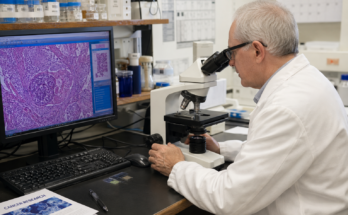

Medical science is changing faster than ever, giving patients new options for managing diseases, reducing symptoms, and improving their quality of life. Researchers and healthcare professionals are developing innovative medical treatments that were not widely available a few years ago. Some treatments use advanced medicines, while others use the body’s own cells, targeted therapies, or modern technology to treat health problems more precisely.
For patients, understanding these new medical treatments can be helpful when discussing healthcare choices with a doctor. New treatments do not mean that every patient should use them. Their benefits, risks, availability, and cost can be different for each person. However, knowing what is being developed can help people have better conversations with healthcare professionals.
Personalized Medical Treatment
One of the most important developments in modern healthcare is personalized medical treatment. Traditional medicine often uses the same treatment approach for people with the same disease. Personalized medicine takes a more individual approach by considering a patient’s genes, medical history, lifestyle, and other factors.
Genetic testing can sometimes help doctors understand how a person’s body may respond to a particular medicine. This can be especially useful in cancer treatment, where different patients can have different genetic changes in their tumors.
Personalized medicine may help doctors select treatments that are more likely to work for a particular patient. It can also reduce the use of treatments that are unlikely to provide benefits. As medical research continues, personalized healthcare is expected to become an increasingly important part of modern medicine.
Targeted Cancer Treatments
Cancer treatment has changed significantly because of advances in medical research. In addition to traditional chemotherapy and radiation therapy, patients may now have access to targeted treatments and immunotherapy for certain cancers.
Targeted cancer treatments are designed to focus on specific features of cancer cells. Instead of affecting many rapidly dividing cells throughout the body, targeted medicines aim at particular molecules or biological processes involved in cancer growth.
This approach can provide important benefits for some patients. However, targeted treatments are not suitable for every type of cancer. Doctors may perform tests on tumor tissue to determine whether a patient has a specific feature that could make targeted treatment useful.
Immunotherapy
Immunotherapy is another important development in modern medical treatment. It works by helping the immune system recognize or attack certain diseases, particularly some types of cancer.
The immune system naturally protects the body from harmful organisms and abnormal cells. Cancer can sometimes avoid normal immune responses. Certain immunotherapy medicines can help the immune system respond more effectively.
Immunotherapy has produced meaningful results for some patients with cancers that were previously difficult to treat. However, it can also cause side effects because the immune system may become overly active. Patients considering immunotherapy should discuss possible benefits and risks carefully with their healthcare team.
Gene Therapy
Gene therapy is an advanced treatment approach that aims to treat certain diseases by changing, replacing, or modifying genetic material inside cells. It is particularly promising for some rare inherited disorders.
Some genetic diseases occur because a specific gene does not work correctly. In selected cases, gene therapy may provide a way to address the underlying genetic problem rather than simply treating symptoms.
Gene therapy is still a developing field, and not every genetic condition can be treated with it. Some treatments are available for specific diseases, while many others remain under research. Patients should speak with specialists to determine whether an approved gene therapy or clinical trial may be appropriate.
Cell Therapy
Cell therapy uses living cells to help treat disease. One well known example is stem cell transplantation, which has been used in certain blood cancers and blood disorders for many years.
Researchers are also developing newer cell based treatments that can modify or replace cells involved in disease. Some advanced cancer treatments use a patient’s own immune cells, which are collected, modified, and returned to the body to help fight cancer.
These treatments can be complex and may have serious risks. They are generally offered only to carefully selected patients through specialized medical centers.

New Treatments for Diabetes
Diabetes treatment is also changing as researchers develop better medicines and technologies. Newer diabetes medicines can help control blood sugar while also providing additional benefits for some patients.
Certain modern medicines used for type 2 diabetes can help improve blood sugar control and may support weight management. Some medicines in this category have also shown benefits for cardiovascular and kidney health in appropriate patients.
Technology is also improving diabetes management. Continuous glucose monitoring systems can measure glucose levels throughout the day and provide information that helps patients and healthcare professionals make treatment decisions.
Advanced Treatments for Heart Disease
Heart disease remains one of the major health challenges worldwide, but treatment options continue to improve. Modern cardiology includes less invasive procedures that can sometimes treat serious heart problems without traditional open surgery.
For example, certain valve replacement procedures can be performed using a catheter rather than requiring a large surgical opening in the chest. These procedures may be suitable for selected patients depending on their age, health, anatomy, and type of heart valve problem.
New medicines are also being developed for heart failure and other cardiovascular conditions. Patients should not assume that a newer medicine or procedure is automatically better. Doctors consider the patient’s complete medical history before recommending treatment.
New Treatments for Autoimmune Diseases
Autoimmune diseases happen when the immune system mistakenly attacks healthy tissues. Conditions such as rheumatoid arthritis, psoriasis, inflammatory bowel disease, and some other disorders can require long term treatment.
Biologic medicines and other targeted therapies have changed the treatment of several autoimmune diseases. These medicines can target specific parts of the immune system that contribute to inflammation.
For some patients, targeted therapies can reduce symptoms and help prevent disease progression. However, they can also affect the immune system and may increase the risk of certain infections. Regular medical monitoring is therefore important.
Advances in Neurological Treatment
Neurological diseases can be difficult to treat because the brain and nervous system are highly complex. However, researchers are developing new approaches for conditions such as epilepsy, Parkinson’s disease, multiple sclerosis, and certain types of neurological disorders.
Deep brain stimulation is one example of an advanced treatment that can help some patients with movement disorders. It uses implanted electrodes to deliver controlled electrical signals to specific areas of the brain.
Researchers are also studying new medicines, gene based treatments, and other technologies for neurological diseases. Many of these approaches are still being evaluated, so patients should discuss the evidence and approval status with a qualified specialist.
New Treatments Using Medical Technology
Technology is becoming an important part of modern healthcare. Artificial intelligence can assist healthcare professionals with analyzing medical images, identifying patterns, and supporting certain clinical decisions.
Robotic systems are also being used in some surgical procedures. These systems can help surgeons perform complex operations with greater precision in selected situations.
Wearable devices can monitor information such as heart rate, physical activity, and other health measurements. These technologies can provide useful information, but they should not replace professional medical diagnosis.
Why Patients Should Talk to Their Doctors
Learning about new medical treatments is useful, but patients should avoid choosing a treatment based only on information found online. Every medical treatment has potential benefits and risks.
A treatment that works well for one patient may not be suitable for another. Factors such as age, existing medical conditions, current medicines, allergies, disease stage, and overall health can influence treatment decisions.
Patients can ask their doctors several important questions. They can ask how the treatment works, what benefits are expected, what side effects may occur, whether there are alternative treatments, and how much evidence supports the treatment.
Clinical Trials and Emerging Treatments
Many new medical treatments begin as clinical trials. Clinical trials help researchers determine whether a treatment is safe and effective. Patients who participate in clinical research may receive access to treatments that are not yet widely available, although experimental treatments can involve unknown risks.
Anyone considering a clinical trial should learn about its purpose, eligibility requirements, potential benefits, possible risks, and other available treatment options. A healthcare professional can help patients understand whether participation may be appropriate.
The Future of Medical Treatment
The future of healthcare is likely to become more personalized, targeted, and technology driven. Researchers are studying ways to detect diseases earlier, treat their underlying causes, and create therapies designed for individual patients.
Gene therapy, cell therapy, immunotherapy, personalized medicine, advanced surgery, and digital health technologies are all contributing to this changing medical landscape.
Patients should remain informed but also rely on qualified healthcare professionals when making treatment decisions. New medical treatments can offer hope and important benefits, but careful evaluation is necessary before choosing any therapy.
Conclusion
New medical treatments are giving patients more options than ever before. Personalized medicine, targeted cancer treatments, immunotherapy, gene therapy, cell therapy, advanced diabetes medicines, modern heart procedures, autoimmune treatments, and neurological therapies are changing the way many diseases are managed.
The most important thing for patients is to stay informed and communicate openly with their healthcare providers. Medical research continues to produce promising discoveries, but every treatment must be evaluated based on scientific evidence and individual patient needs.
By learning about new medical treatments and asking informed questions, patients can become more active participants in their healthcare. The future of medicine offers many exciting possibilities, and continued research may provide even more effective and personalized treatment options in the years ahead.