
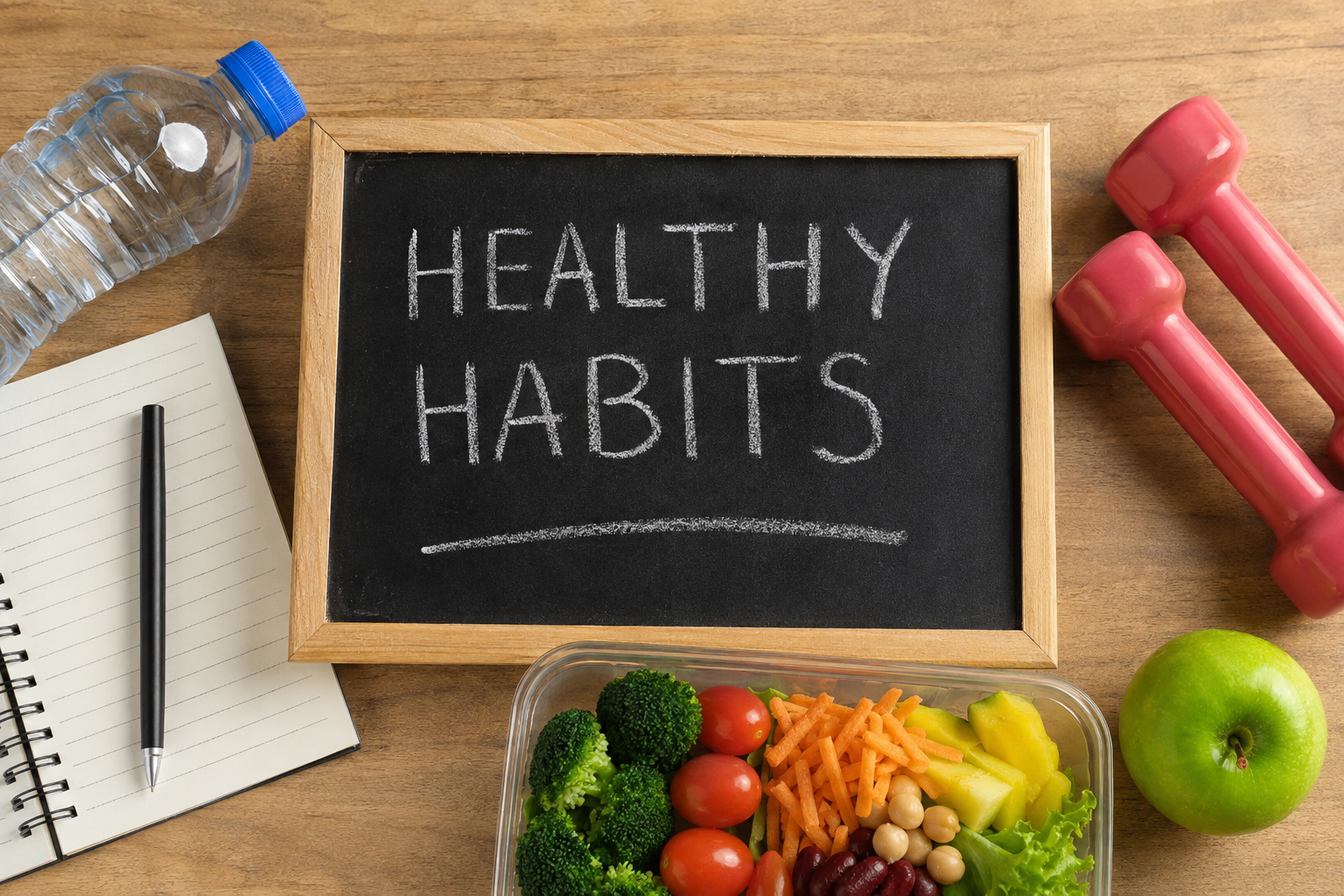
Living a longer life is a goal that many people share, but living longer is only part of the picture. Most people also want to stay active, independent, energetic, and healthy as they grow older. The good news is that everyday choices can have a meaningful impact on long term health. Simple healthy habits practiced consistently can support the heart, brain, muscles, immune system, and overall well being.
The best healthy habits for a longer life are not usually complicated. Eating nutritious foods, staying physically active, getting enough sleep, managing stress, avoiding harmful substances, and maintaining healthy relationships can all contribute to better health. These habits may seem small individually, but together they can create a healthier lifestyle and support healthy aging.
Eat a Balanced and Nutritious Diet
One of the most important healthy habits for a longer life is eating a balanced diet. The body needs a variety of nutrients to function properly, and a healthy diet provides the vitamins, minerals, protein, fiber, and healthy fats needed for daily activities and long term health.
Try to include plenty of vegetables, fruits, whole grains, beans, nuts, seeds, and other nutrient rich foods in regular meals. Lean sources of protein can also help maintain muscle and support normal body functions. Healthy fats from foods such as fish, nuts, seeds, and certain plant oils can be part of a balanced eating pattern.
It is also helpful to reduce excessive intake of highly processed foods, added sugars, and foods that are very high in salt or unhealthy fats. Instead of focusing on strict diets, build eating habits that are realistic and enjoyable enough to maintain for years.
Stay Physically Active
Regular physical activity is another important habit for healthy aging. Exercise helps maintain muscle strength, bone health, balance, heart health, and physical fitness. It can also support mental well being and make everyday activities easier.
Walking is one of the simplest ways to become more active. Other useful activities include cycling, swimming, dancing, stretching, gardening, and strength exercises. People with different fitness levels can choose activities that match their abilities.
The most important point is consistency. You do not need to exercise intensely every day to benefit from physical activity. Moving regularly and avoiding long periods of inactivity can make a significant difference over time.
Get Enough Quality Sleep
Sleep is often overlooked when people talk about healthy habits, but it plays an important role in overall health. During sleep, the body and brain carry out important processes that support recovery, memory, mood, and normal immune function.
Adults generally benefit from a consistent sleep routine and enough sleep to feel rested. Going to bed and waking up at similar times can help create a regular sleep schedule.
Creating a comfortable sleeping environment may also help. Keeping the bedroom quiet and dark, limiting stimulating activities before bedtime, and following a relaxing evening routine can support better sleep.
If sleep problems continue regularly, it is important to discuss them with a qualified healthcare professional because ongoing sleep difficulties can sometimes be connected to other health concerns.
Maintain a Healthy Weight
Maintaining a healthy weight can support long term health, although healthy weight can vary from person to person. Weight is influenced by many factors, including nutrition, physical activity, genetics, age, sleep, stress, and certain medical conditions.
Instead of following extreme weight loss plans, focus on sustainable lifestyle habits. Eating balanced meals, controlling portions, staying active, sleeping well, and reducing excessive intake of highly processed foods can support a healthy body weight.
The goal should not be perfection. Small improvements that become part of everyday life are often easier to maintain than short term diets.
Drink Enough Water
Proper hydration is another simple habit that supports good health. Water helps the body perform many essential functions, including regulating temperature and supporting normal circulation and digestion.
The amount of fluid a person needs can vary depending on activity level, climate, diet, age, and other factors. People who spend time in hot environments or exercise regularly may need more fluids.
Keeping water nearby throughout the day can make it easier to drink regularly. Choosing water instead of sugary beverages can also reduce unnecessary added sugar intake.
Avoid Smoking and Tobacco Products
Avoiding tobacco is one of the most powerful healthy habits for a longer life. Smoking and other tobacco products can negatively affect many parts of the body and are associated with serious health problems.
For people who smoke, quitting can provide health benefits at different stages after stopping. It may not always be easy, but support from healthcare professionals, family members, friends, and evidence based quitting programs can make the process more manageable.
Avoiding exposure to tobacco smoke when possible is also an important part of protecting overall health.
Limit Alcohol Consumption
Alcohol can affect health in several ways, particularly when consumed heavily or frequently. For this reason, limiting alcohol consumption can be an important part of a healthy lifestyle.
Some people may choose not to drink at all, while others may need to reduce their intake. People who are pregnant, taking certain medications, recovering from alcohol dependence, or dealing with specific health conditions should follow professional medical advice regarding alcohol.
Healthy living is not about copying someone else’s routine. It is about making choices that support your own long term well being.
Manage Stress in Healthy Ways
Long term stress can affect both mental and physical well being. While it is impossible to remove all stress from life, learning healthy ways to manage it can improve quality of life.
Simple activities such as walking, reading, spending time outdoors, breathing exercises, hobbies, prayer or meditation, and talking with trusted people may help reduce everyday stress.
It is also useful to recognize when stress becomes difficult to manage. Persistent feelings of anxiety, sadness, exhaustion, or emotional distress should not be ignored. Speaking with a qualified professional can be an important step toward better mental health.
Stay Connected With Other People
Strong social connections are an important part of healthy aging. Family relationships, friendships, community activities, and meaningful social interactions can provide emotional support and a sense of belonging.
As people get older, maintaining social connections can become especially important. Regular conversations, shared meals, group activities, volunteering, or simply spending time with people you care about can make everyday life more enjoyable.
Healthy relationships can also encourage positive habits. Friends and family members may motivate each other to stay active, eat well, attend medical appointments, or manage stress.
Keep Your Brain Active
Taking care of the brain is another valuable healthy habit for a longer life. Mental stimulation can come from many everyday activities.
Reading books, learning a new skill, solving puzzles, playing an instrument, writing, studying a language, or trying a new hobby can provide opportunities for learning. Social interaction and physical activity may also support overall brain health.
You do not need to spend hours doing complicated brain exercises. The key is to keep learning, stay curious, and challenge yourself with meaningful activities.
Get Regular Health Checkups
Preventive healthcare can help identify potential health concerns before they become more serious. Regular medical checkups allow healthcare professionals to assess important aspects of health and recommend appropriate screenings based on age, family history, lifestyle, and individual risk factors.
Routine dental care and vision checks can also be important parts of maintaining overall health.
People should not wait until they feel seriously ill before seeking professional medical advice. New, unusual, or persistent symptoms deserve appropriate attention.
Protect Your Skin and Body
Protecting the body from preventable damage is another useful part of healthy living. When spending time outdoors, practical sun protection can help reduce excessive ultraviolet exposure. Wearing suitable clothing, seeking shade, and using appropriate sunscreen are common ways to protect exposed skin.
Safety habits also matter. Using seat belts, wearing protective equipment during certain activities, and keeping living spaces free from unnecessary hazards can reduce the risk of injuries.
Make Healthy Habits Sustainable
The biggest secret behind healthy habits for a longer life is consistency. You do not have to change everything at once. Trying to make too many major changes can become overwhelming and may make it difficult to continue.
Instead, start with one or two realistic goals. You might begin by walking for a short period each day, adding more vegetables to meals, improving your sleep schedule, or drinking more water. Once a habit becomes comfortable, another healthy change can be added.
Progress matters more than perfection. Missing one workout or eating an unhealthy meal does not erase your overall progress. What matters is returning to healthy choices and continuing the routine.
Conclusion
The best healthy habits for a longer life are simple actions that can become part of everyday living. A balanced diet, regular physical activity, quality sleep, proper hydration, healthy weight management, stress control, strong relationships, mental stimulation, and preventive healthcare can all contribute to better long term health.
Healthy aging does not require a perfect lifestyle. It requires consistent choices that support the body and mind over many years. Start with small changes, make them realistic, and build from there. By developing healthy habits today, you can improve your chances of enjoying a longer, more active, and more fulfilling life.