
Skip to content
October 2, 2026

  • Home
  • Medical News
  • Healthy Lifestyle
  • Nutrition and Diet
  • Mental Health
Main Menu

Health Technology

How Public Health Systems Prepare for Future Health Threats
Health Technology

How Public Health Systems Prepare for Future Health Threats

August 16, 2026August 16, 2026 - by healthviewsforu - Leave a Comment

Public health systems play an important role in protecting communities from diseases, emergencies, and other health threats. Around the world, health authorities are learning that future health threats can appear …

How Public Health Systems Prepare for Future Health Threats Read More

How Technology Can Improve Disease Prevention
Health Technology

How Technology Can Improve Disease Prevention

August 16, 2026August 16, 2026 - by healthviewsforu - Leave a Comment

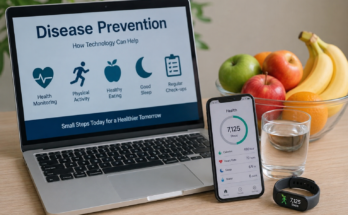
Technology has become an important part of modern healthcare and is changing the way people protect themselves from diseases. In the past, disease prevention mainly depended on regular doctor visits, …

How Technology Can Improve Disease Prevention Read More
The Future of Telemedicine and Online Healthcare
Health Technology

The Future of Telemedicine and Online Healthcare

August 16, 2026 - by healthviewsforu - Leave a Comment

Telemedicine and online healthcare have changed the way people access medical services. In the past, visiting a doctor usually meant making an appointment, traveling to a clinic, waiting in a …

The Future of Telemedicine and Online Healthcare Read More
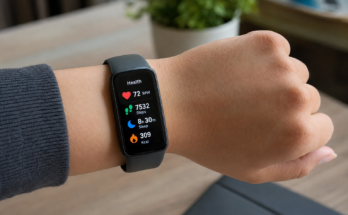
# How Wearable Devices Help People Track Their Health Wearable devices have become an important part of modern health and fitness. Smartwatches, fitness bands, smart rings, and other wearable health devices allow people to collect useful information about their bodies throughout the day. Instead of depending only on occasional visits to a doctor or manually recording health information, people can now monitor many daily health activities with a small device worn on the body. The growing popularity of wearable technology has made health tracking easier and more convenient. These devices can measure physical activity, heart rate, sleep patterns, calories burned, and other useful health indicators. While wearable devices cannot replace professional medical care, they can help people understand their daily habits and make better decisions about their lifestyle. ## What Are Wearable Health Devices? Wearable health devices are electronic devices designed to be worn on the body. Common examples include smartwatches, fitness trackers, smart rings, and specialized health monitoring devices. Many of these products connect to a smartphone application where users can view their health information and track changes over time. Modern wearable devices use sensors to collect information from the body and from daily activities. Depending on the device, these sensors may monitor movement, heart rate, body temperature, sleep activity, and other measurements. The main advantage of wearable technology is convenience. A person can wear a device during exercise, work, sleep, and everyday activities. This creates a continuous source of information that can help users understand their health habits more clearly. ## Tracking Daily Physical Activity One of the most popular uses of wearable devices is activity tracking. Many fitness trackers and smartwatches count steps, measure distance, and estimate calories burned during the day. This information can encourage people to become more active. For example, someone who notices that they have taken fewer steps than usual may decide to walk more in the evening. Over time, small changes in daily movement can support a healthier lifestyle. Wearable devices can also record different types of exercise. Users may be able to track walking, running, cycling, swimming, strength training, and other activities. Seeing exercise information on a smartphone can make it easier to understand progress and maintain motivation. ## Monitoring Heart Rate Heart rate monitoring is another important feature of many wearable health devices. Optical sensors can measure heart rate from the wrist or finger and provide information during rest and exercise. Tracking heart rate can help people understand how their body responds to physical activity. For example, users can see how their heart rate changes during a workout and how quickly it returns toward normal after exercise. Some devices can also notify users when their heart rate appears unusually high or low while they are resting. These notifications can sometimes encourage a person to pay closer attention to their health. However, wearable readings are not always perfect, and unusual results should not automatically be treated as a medical diagnosis. ## Understanding Sleep Patterns Good sleep is an important part of overall health, and many wearable devices now include sleep tracking features. A smartwatch or fitness band can collect movement and heart rate information while a person sleeps. The device may estimate how long the person slept and provide information about different stages or periods of sleep. Users can then look at their sleep patterns over several nights or weeks. Sleep tracking can help people recognize habits that may affect their rest. For example, someone may notice that they sleep less on busy days or that their sleep schedule changes significantly on weekends. This information can encourage better sleep habits, such as maintaining a regular bedtime and creating a more relaxing evening routine. ## Helping People Manage Fitness Goals Wearable technology can make fitness goals easier to follow. Instead of relying on memory, users can look at recorded information to see whether they are moving toward their goals. A person may set a daily step target, exercise for a specific amount of time, or aim to improve running distance. Regular progress updates can provide motivation and make fitness feel more measurable. Many wearable devices also provide reminders to move after long periods of inactivity. These simple notifications can encourage people who spend many hours sitting at work or at home to stand up and take short walks. ## Tracking Calories and Exercise Many wearable devices estimate calories burned during physical activity. They may use information such as movement, heart rate, age, body size, and exercise type to provide an estimate. Although calorie measurements from consumer devices should not be considered perfectly accurate, they can still help users understand general activity levels. People who are trying to improve their fitness may compare activity levels from different days and notice how exercise affects their overall movement. This can support healthier routines when combined with balanced nutrition and realistic fitness goals. ## Supporting Stress Awareness Some modern wearable devices offer features designed to help users become more aware of stress and relaxation. They may use heart rate patterns, movement, and other signals to estimate periods when the body may be experiencing increased stress. These features can encourage people to take breaks during demanding days. A user might notice that stress levels seem higher after long periods of work and decide to take a short walk, practice breathing exercises, or spend time away from screens. Wearable devices cannot directly measure every aspect of emotional health, but they can provide useful reminders to slow down and pay attention to personal wellbeing. ## Health Information Over Time One of the biggest benefits of wearable devices is the ability to collect information over a long period. A single measurement may not tell someone much about their daily habits, but information collected over several weeks or months can reveal patterns. For example, a person may discover that their activity decreases during certain periods of the year. They may also notice changes in sleep duration or exercise frequency. Long term health tracking can help users identify habits that they might otherwise overlook. This information can also be useful when discussing certain concerns with a healthcare professional, especially when the data shows a consistent change. ## Encouraging Preventive Health Habits Wearable technology can support preventive health by helping people become more aware of their everyday behavior. Instead of waiting until they feel unhealthy, users can pay attention to activity, sleep, exercise, and other lifestyle factors regularly. For example, a person who sees that they are consistently inactive may decide to introduce more walking into their routine. Someone who notices poor sleep patterns may make changes to their evening schedule. These small decisions can contribute to healthier daily habits. Preventive health is not only about treating illness. It is also about understanding personal habits and taking reasonable steps to support overall wellbeing. ## Wearable Devices and Healthcare Wearable devices are also becoming increasingly relevant to healthcare. Some devices can collect information that may be useful for patients and healthcare professionals. When appropriate and properly interpreted, health data can help provide a broader picture of a person's daily condition. However, wearable technology should not replace a doctor, medical examination, or professional diagnosis. Sensors can produce inaccurate readings because of movement, poor device placement, skin contact, battery problems, or other factors. People should therefore use wearable health information as a helpful source of personal data rather than treating every measurement as a medical conclusion. ## Privacy and Health Data As wearable devices collect personal information, privacy is an important consideration. Health and activity information can be sensitive, so users should understand how their data is stored and shared. Before buying a wearable device, people should review its privacy settings and understand what information the company collects. Strong account security, unique passwords, and careful control of app permissions can also help protect personal information. Being aware of privacy policies is especially important when health information is connected to smartphones, cloud accounts, or other online services. ## Choosing the Right Wearable Device The best wearable device depends on a person's needs. Someone mainly interested in daily steps may prefer a simple fitness tracker, while another person may want a smartwatch with exercise tracking, sleep monitoring, heart rate information, and other features. Price, battery life, comfort, compatibility, sensor features, and privacy policies are all important factors to consider. A wearable device should also be comfortable enough to wear regularly. A device with many features is not very useful if a person rarely wears it. ## The Future of Wearable Health Technology Wearable technology is likely to become even more useful as sensors and software continue to improve. Future devices may provide more detailed information about physical activity, sleep, recovery, and other aspects of everyday health. Artificial intelligence may also help users understand large amounts of health data by identifying patterns and presenting information in a simpler way. However, accuracy, privacy, and responsible use will remain important as wearable health technology develops. The goal should not be to measure every part of life. Instead, technology should help people understand useful health information without creating unnecessary worry or confusion. ## Conclusion Wearable devices have changed the way many people track their health. From counting steps and monitoring heart rate to analyzing sleep and supporting fitness goals, these devices provide convenient information that can encourage healthier habits. The greatest value of wearable health devices comes from using the information consistently and realistically. A smartwatch or fitness tracker cannot replace professional medical advice, but it can help people become more aware of their daily behavior. As wearable technology continues to develop, it may become an even more useful tool for personal health tracking. When used responsibly, wearable devices can motivate physical activity, improve awareness of sleep and lifestyle habits, and help people take a more active role in managing their overall health.
Health Technology

How Wearable Devices Help People Track Their Health

August 16, 2026 - by healthviewsforu - Leave a Comment

Wearable devices have become an important part of modern health and fitness. Smartwatches, fitness bands, smart rings, and other wearable health devices allow people to collect useful information about their …

How Wearable Devices Help People Track Their Health Read More
How Artificial Intelligence Is Changing Healthcare
Health Technology

How Artificial Intelligence Is Changing Healthcare

August 16, 2026August 16, 2026 - by healthviewsforu - Leave a Comment

Artificial intelligence is changing healthcare in many important ways. From helping doctors identify diseases to improving patient care, AI is becoming an important part of modern medicine. Healthcare systems around …

How Artificial Intelligence Is Changing Healthcare Read More
  • Popular
  • Comments
  • Tags
New Medical Treatments Patients Should Know About

New Medical Treatments Patients Should Know About

August 12, 2026August 16, 2026

Latest Breakthroughs in Cancer Research

Latest Breakthroughs in Cancer Research

August 12, 2026August 16, 2026

New Developments in Heart Disease Treatment

New Developments in Heart Disease Treatment

August 12, 2026August 16, 2026

How Medical Research Is Improving Patient Care

How Medical Research Is Improving Patient Care

August 12, 2026August 16, 2026

Best Healthy Habits for a Longer Life

Best Healthy Habits for a Longer Life

August 13, 2026August 16, 2026

No comments found.
No tags created.
  • How Public Health Systems Prepare for Future Health Threats
  • How Technology Can Improve Disease Prevention
  • The Future of Telemedicine and Online Healthcare
  • How Wearable Devices Help People Track Their Health
  • How Artificial Intelligence Is Changing Healthcare
  • Health Technology
  • Healthy Lifestyle
  • Medical News
  • Mental Health
  • Nutrition and Diet
  • About Us
  • Contact Us
  • Disclaimer
  • Privacy Policy
  • Terms and Conditions
Copyright © 2026 .
Powered by WordPress and HitMag.