Telemedicine and online healthcare have changed the way people access medical services. In the past, visiting a doctor usually meant making an appointment, traveling to a clinic, waiting in a reception area, and spending time with medical staff. Today, many patients can speak with a doctor through a smartphone, computer, or tablet without leaving home. This change has made healthcare more convenient and has opened new opportunities for patients and healthcare providers.
The future of telemedicine is expected to bring even more improvements. New technology, artificial intelligence, wearable devices, electronic health records, and better internet services are helping create a healthcare system that is more connected and accessible. Online healthcare is not expected to replace traditional medical care completely. Instead, it will work alongside hospitals, clinics, and healthcare professionals to provide patients with more choices.
What Is Telemedicine?
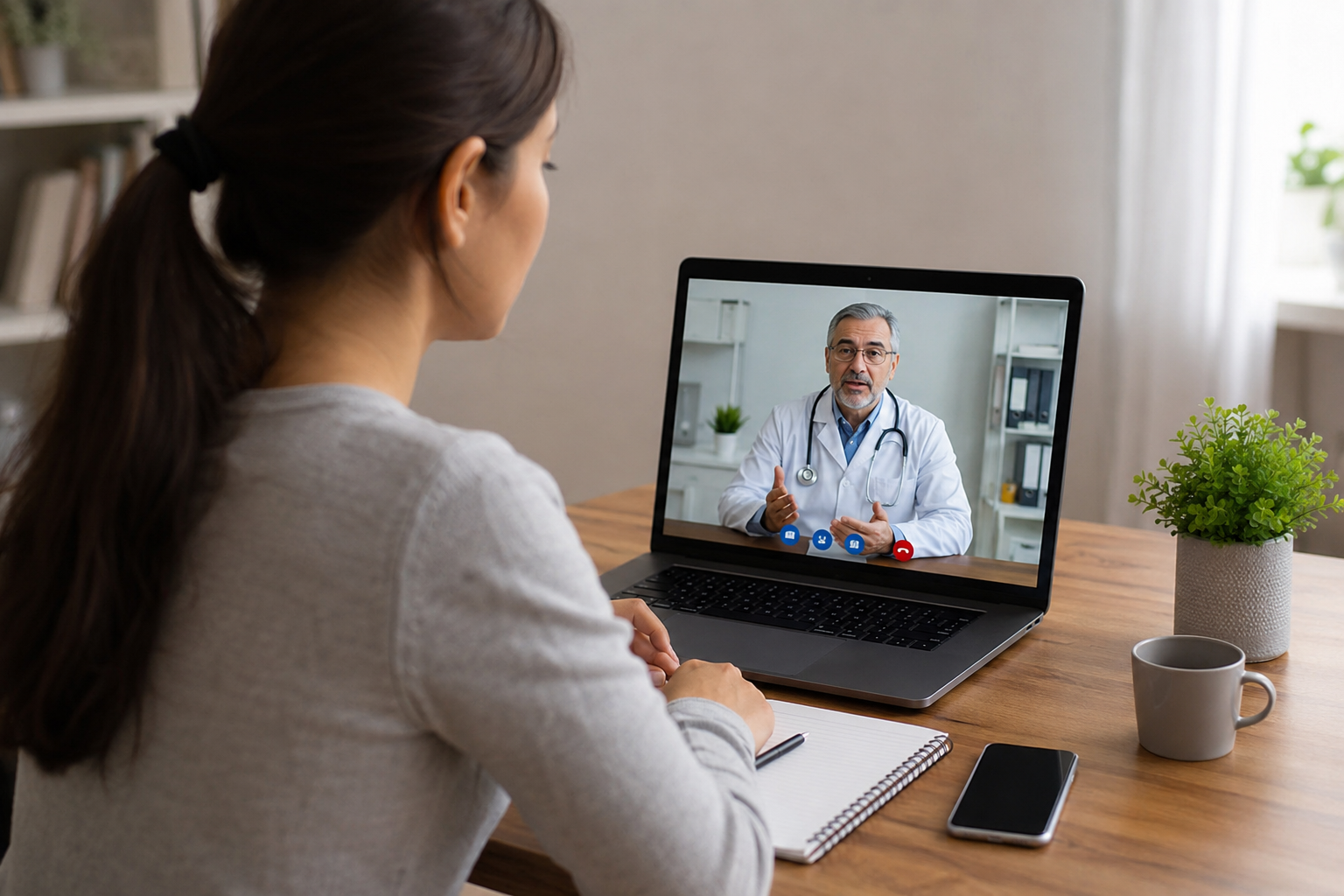
Telemedicine means providing healthcare services through digital communication technologies. A patient can communicate with a doctor through video calls, phone calls, online messaging, or other secure digital platforms. Depending on the situation, doctors can provide medical advice, discuss symptoms, review test results, monitor health conditions, and recommend further treatment.
Online healthcare is a broader concept that includes telemedicine as well as digital health applications, online medical records, remote patient monitoring, health apps, and other technology based healthcare services.
The growing use of smartphones and internet services has made these options easier for many people to access. Patients who previously had difficulty reaching healthcare professionals can now communicate with providers from their homes.
Why Telemedicine Is Becoming More Popular
One of the biggest reasons for the growth of telemedicine is convenience. Patients do not always need to travel long distances for simple consultations. This can save time and reduce transportation costs.
Telemedicine can also be useful for people who live in rural or remote areas. In some communities, specialist doctors may not be available nearby. Online healthcare can connect patients with medical professionals who may be located in another city or region.
Another advantage is flexibility. Some online healthcare platforms offer appointments outside traditional clinic hours. This can be helpful for people with busy jobs, family responsibilities, or limited transportation options.
Telemedicine can also support people who need regular medical monitoring. Instead of visiting a clinic every time they need a routine consultation, some patients can communicate with their healthcare providers online.
The Role of Artificial Intelligence in Online Healthcare
Artificial intelligence is expected to play an important role in the future of telemedicine. AI systems can help healthcare professionals organize information, identify patterns in medical data, and support clinical decision making.
AI powered healthcare tools may also help patients understand basic health information. For example, digital systems can collect information about symptoms and guide patients toward appropriate healthcare services.
However, artificial intelligence should support healthcare professionals rather than completely replace them. Medical decisions can involve complicated situations that require professional judgment, experience, and understanding of a patient’s individual circumstances.
The future of AI in healthcare will likely focus on cooperation between technology and medical professionals. Doctors can use AI to handle certain routine tasks while spending more time communicating with patients and making important clinical decisions.
Wearable Devices and Remote Patient Monitoring
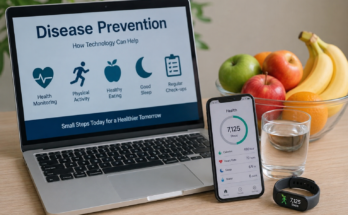
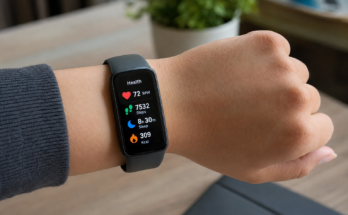
Wearable technology is another major development in online healthcare. Smartwatches, fitness trackers, and specialized medical devices can collect information about heart rate, physical activity, sleep, blood pressure, and other health measurements.
In the future, wearable devices may become even more useful for remote patient monitoring. Healthcare professionals could receive regular health information from patients without requiring them to visit a hospital frequently.
This could be particularly useful for people who need ongoing monitoring. If a digital system identifies an unusual change in health data, it may help encourage the patient to contact a healthcare professional.
Remote monitoring can also give doctors a better understanding of how patients are doing between appointments. Instead of relying only on information collected during a clinic visit, healthcare professionals may have access to a broader picture of a patient’s health.
Better Access to Specialists
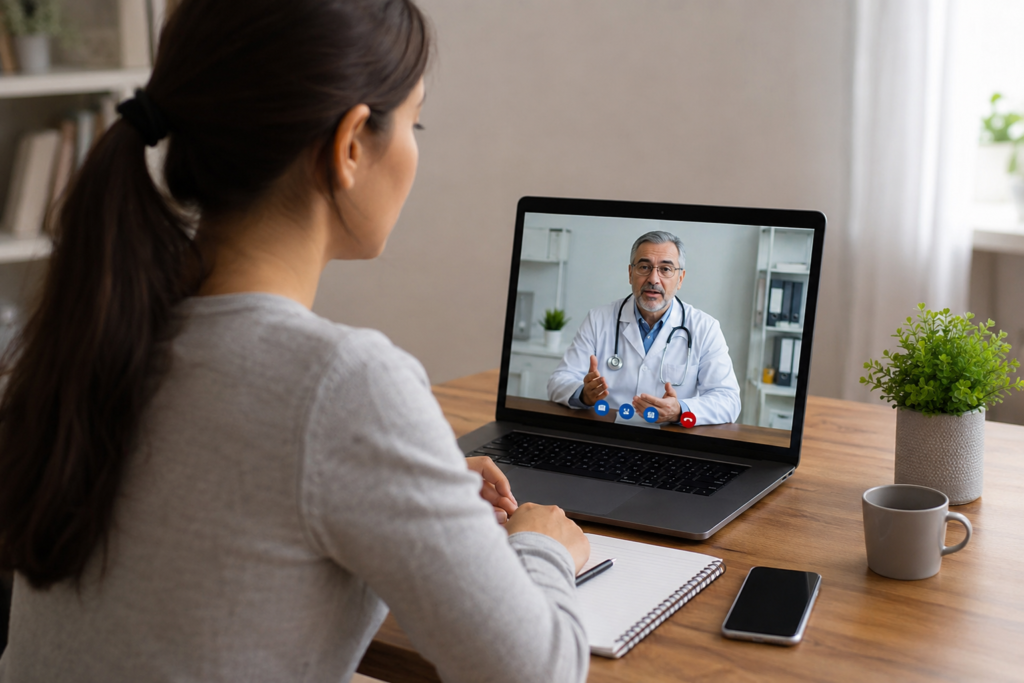
The future of telemedicine could make specialist healthcare more accessible. Patients in areas with limited medical services may be able to consult specialists through secure online platforms.
For example, a patient may be able to speak with a dermatologist, mental health professional, nutrition expert, or another specialist without traveling to a major city.
This can reduce geographical barriers and may help patients receive professional guidance sooner. It can also make it easier for local healthcare providers to communicate with specialists when they need additional expertise.
However, some medical conditions still require physical examinations, diagnostic procedures, or emergency treatment. Telemedicine works best when it is used for situations that can be safely managed through remote communication.
Online Healthcare and Mental Health Services
Mental healthcare is another area where telemedicine has created important opportunities. Online counseling and virtual appointments can make mental health services easier to access for some people.
Patients may feel more comfortable speaking with a professional from a familiar environment. Online services can also help people who have difficulty traveling to a clinic.
The future may bring more digital mental health tools, including video consultations, secure messaging, digital therapy programs, and technology supported monitoring.
Even so, mental health services should maintain strong privacy and professional standards. Patients need to know that their personal information is protected and that they are communicating with qualified professionals.
Challenges Facing Telemedicine
Although online healthcare offers many advantages, it also has challenges. One major concern is privacy. Medical information is highly personal, so healthcare platforms need strong security systems to protect patient data.
Another challenge is unequal access to technology. Not everyone has a reliable internet connection, modern devices, or the digital skills required to use online healthcare services. If these problems are not addressed, some people could be left behind.
There is also the issue of medical accuracy. A doctor cannot always make a complete assessment through a video call. Some conditions require physical examinations, laboratory tests, imaging, or other procedures.
Internet problems can create another difficulty. Poor connections can interrupt consultations and make communication harder.
For these reasons, telemedicine should be developed as part of a complete healthcare system rather than treated as a replacement for every traditional medical service.
The Importance of Patient Data Security
As online healthcare grows, protecting patient information will become increasingly important. Healthcare providers collect sensitive information such as medical histories, test results, prescriptions, and personal details.
Future telemedicine systems will need strong security measures to reduce the risk of unauthorized access. Patients should also understand how their information is collected, stored, and used.
Trust will be one of the most important factors in the future of digital healthcare. People are more likely to use online medical services when they believe their information is safe and their healthcare provider follows professional standards.
The Future Healthcare Experience
The future of healthcare may become more connected than ever before. A patient could use a wearable device to collect health information, receive an alert through a smartphone, speak with a doctor online, and have relevant information added to a digital medical record.
This type of connected healthcare could make medical services more personalized and efficient. Doctors may be able to understand patient health patterns more clearly and identify certain concerns earlier.
Online healthcare may also become easier to use as technology improves. Healthcare platforms could provide simpler interfaces, faster communication, better language support, and more personalized services.
The goal should not simply be to add more technology to healthcare. The real goal should be to use technology to make healthcare more accessible, efficient, safe, and patient focused.
What Patients Can Expect
Patients can expect telemedicine to become a more normal part of everyday healthcare. Online appointments may become common for routine consultations, follow up visits, prescription discussions, and certain types of specialist care.
At the same time, hospitals and clinics will continue to play an essential role. Emergency care, surgery, physical examinations, childbirth, advanced testing, and many other medical services require direct interaction with healthcare professionals.
The future will therefore likely involve a combination of online and traditional healthcare. Patients may move between digital and physical services depending on their medical needs.
Conclusion
The future of telemedicine and online healthcare looks promising. Technology is making it possible for patients and healthcare professionals to communicate in new ways, monitor health remotely, and access medical services with greater convenience.
Artificial intelligence, wearable devices, remote patient monitoring, digital medical records, and improved communication platforms are likely to shape the next generation of healthcare.
However, successful digital healthcare will require more than advanced technology. Privacy, security, medical quality, affordability, internet access, and professional standards must remain important priorities.
Telemedicine is not simply about replacing a doctor’s office with a video call. It is about creating a healthcare system that can reach people wherever they are while maintaining the quality and human connection that good healthcare requires.
As technology continues to develop, online healthcare will likely become an increasingly important part of modern medicine. The future of healthcare may be more digital, but its central purpose will remain the same: helping people receive the right care at the right time.