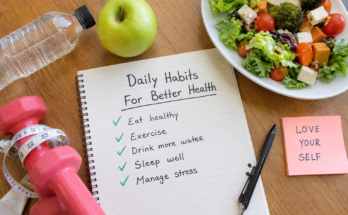
Physical fitness is an important part of living a healthy and active life. Many people want to improve their fitness but think they need expensive gym memberships, special equipment, or complicated workout programs. The truth is that you can improve your physical fitness naturally with simple daily habits, regular movement, healthy food, enough sleep, and a positive mindset.
Natural fitness is not about becoming perfect or changing your body overnight. It is about making healthy choices consistently and giving your body the support it needs. Whether you are a beginner or already active, small changes can help you become stronger, more energetic, and healthier over time.
Start With Regular Physical Activity
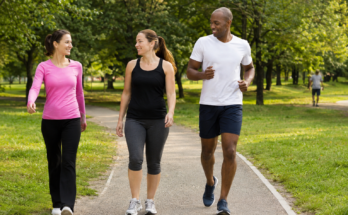
One of the best ways to improve physical fitness naturally is to stay physically active every day. You do not always need a formal workout to keep your body moving. Walking, cycling, swimming, climbing stairs, gardening, cleaning, and playing outdoor games can all contribute to better fitness.
Walking is especially useful for beginners because it is simple and does not require expensive equipment. A daily walk can support heart health, improve stamina, strengthen the legs, and help maintain a healthy body weight.
Try to make movement a normal part of your daily routine. Instead of sitting for long periods, stand up regularly, walk around, stretch your body, or take a short walk outside.
Build a Consistent Exercise Routine
Consistency is more important than doing an extremely difficult workout once in a while. A regular exercise routine can gradually improve strength, flexibility, endurance, and overall physical fitness.
Start with activities that you enjoy. You could walk in the morning, cycle in the evening, practice yoga, or do simple bodyweight exercises at home. The most effective exercise routine is one that you can continue for a long time.
If you are new to exercise, begin slowly. Give your body time to adjust and gradually increase the duration and intensity of your workouts.
Include Strength Training
Strength training is another important part of improving physical fitness naturally. Strong muscles help you perform everyday activities more easily and can support better posture, balance, and movement.
You do not necessarily need weights or gym machines. Bodyweight exercises such as squats, lunges, pushups, planks, and glute bridges can be performed at home.
Start with a manageable number of repetitions and focus on using proper form. As your strength improves, you can gradually increase repetitions or make the exercises more challenging.
Improve Cardiovascular Fitness
Cardiovascular fitness refers to how efficiently your heart and lungs support physical activity. Improving cardiovascular fitness can help you feel more energetic during daily activities.
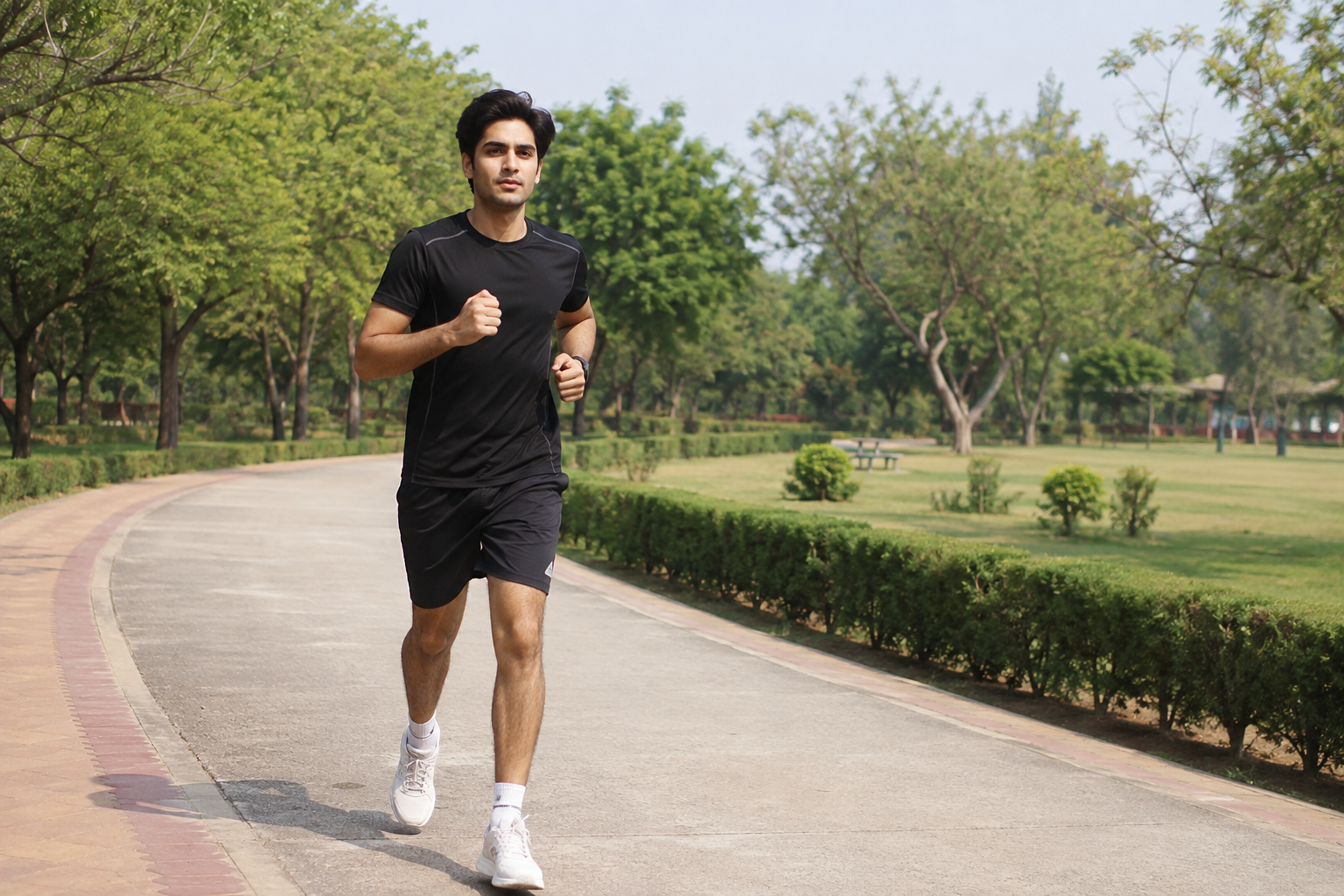
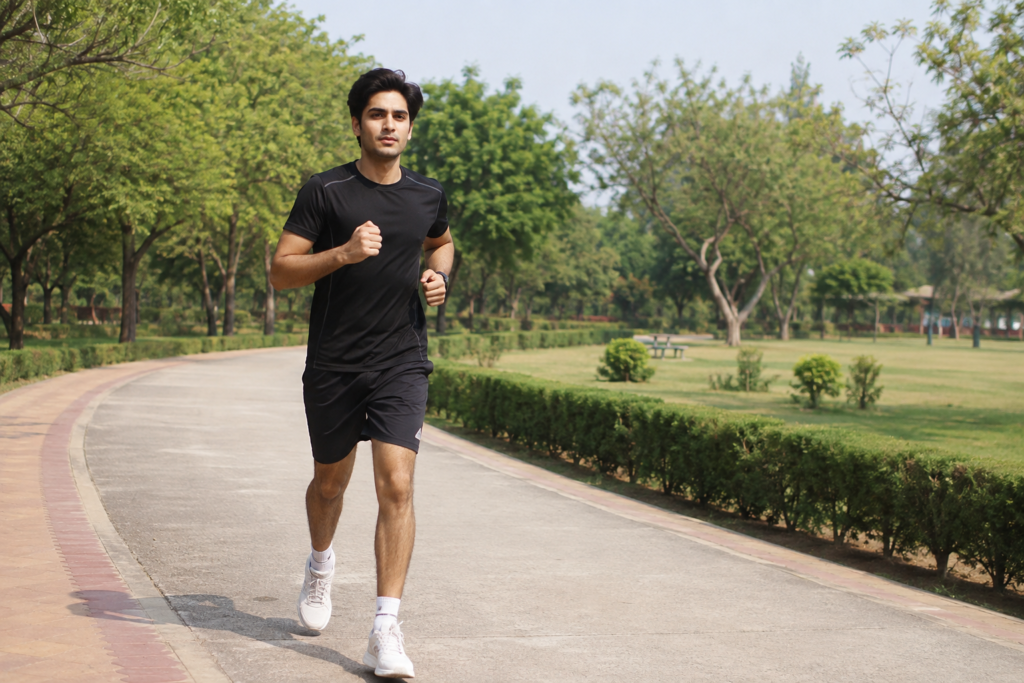
Walking quickly, jogging, cycling, swimming, dancing, and playing sports are natural ways to improve cardiovascular health. You can begin with short sessions and slowly increase your activity level.
For example, if you normally walk for fifteen minutes, you can gradually increase the time as your stamina improves. The goal is to make regular physical activity part of your lifestyle.
Eat Nutritious Foods
Exercise alone is not enough to achieve good physical fitness. Your body needs nutritious food to produce energy, repair muscles, and support normal body functions.
A healthy diet should include vegetables, fruits, whole grains, beans, nuts, seeds, eggs, lean sources of protein, and other nutrient rich foods. Try to choose foods that provide vitamins, minerals, protein, fiber, and healthy fats.
Avoid making your diet overly complicated. Instead of focusing on extreme restrictions, aim for balanced meals and reasonable portions. Eating a variety of natural foods can provide your body with many nutrients it needs.
Drink Enough Water
Proper hydration is an important part of natural physical fitness. Water helps the body regulate temperature, transport nutrients, support digestion, and maintain normal physical performance.
You may need more water when exercising, spending time in hot weather, or sweating heavily. Keep water available throughout the day and drink regularly.
Replacing sugary drinks with water can also be a simple way to improve your overall diet. Staying hydrated can help you feel better during physical activity and throughout the day.
Get Enough Sleep
Sleep is often overlooked when people think about physical fitness. However, quality sleep gives your body time to recover from daily activity and exercise.
Adults generally need around seven to nine hours of sleep each night, although individual needs can vary. Poor sleep can leave you feeling tired and may make it harder to stay active.
Try to maintain a regular sleep schedule. Going to bed and waking up at similar times can help create a healthy routine. Keeping your bedroom comfortable and reducing unnecessary screen use before bedtime may also support better sleep.
Improve Your Flexibility
Flexibility can make movement easier and may help you perform everyday activities more comfortably. Stretching exercises can be included before or after physical activity depending on the type of exercise.
Gentle stretching can target areas such as the shoulders, hips, legs, back, and arms. Yoga is another natural way to combine flexibility, balance, movement, and relaxation.
Avoid forcing a stretch. Move slowly and stop if you experience sharp or unusual pain.
Spend More Time Outdoors
Spending time outdoors can encourage you to become more physically active. Walking in a park, hiking, cycling, gardening, or playing with family members can make exercise feel less like a task.
Outdoor activities can also provide a refreshing change from sitting indoors for long periods. Choose activities that match your fitness level and local environment.
Reduce Sitting Time
Long periods of sitting can make it difficult to maintain an active lifestyle. Even if you exercise regularly, it is helpful to avoid spending the rest of the day sitting continuously.
If your work requires you to sit for many hours, take short movement breaks. Stand up, stretch, walk around the room, or perform a few light movements.
Small changes can make a meaningful difference. Taking the stairs, walking short distances instead of driving, and doing household activities can all increase daily movement.
Listen to Your Body
Improving physical fitness does not mean pushing yourself beyond your limits every day. Rest and recovery are important parts of a healthy exercise routine.
Normal muscle tiredness can happen after exercise, especially when you are beginning a new activity. However, severe pain, dizziness, unusual shortness of breath, or other concerning symptoms should not be ignored.
Give your body enough time to recover between demanding workouts. Rest days can help you return to exercise with more energy and reduce the risk of overtraining.
Set Realistic Fitness Goals
Setting realistic goals can make it easier to stay motivated. Instead of saying that you want to become extremely fit immediately, create smaller goals that you can measure.
You might decide to walk for thirty minutes five days a week, perform strength exercises three times a week, or increase the number of pushups you can comfortably complete.
Track your progress if it helps you stay motivated. Remember that progress can include better stamina, improved strength, easier movement, better sleep, and increased energy, not just changes in body weight.
Stay Consistent and Patient
Natural physical fitness develops over time. Some people may notice improvements quickly, while others need more time. Comparing your progress with other people can create unnecessary pressure.
Focus on your own routine and make gradual improvements. Missing one workout or eating an unhealthy meal does not mean you have failed. Return to your healthy habits and continue moving forward.
Consistency is what turns healthy choices into a lifestyle. A moderate exercise routine that you follow for months is usually more useful than an extreme routine that you stop after a few weeks.
Conclusion
Improving your physical fitness naturally does not require complicated methods. Regular physical activity, strength training, cardiovascular exercise, nutritious food, proper hydration, quality sleep, flexibility exercises, and enough recovery can all support a healthier and stronger body.
The best approach is to start with small changes that fit comfortably into your lifestyle. Walk more, sit less, eat balanced meals, drink enough water, sleep well, and stay active in ways that you enjoy.
Physical fitness is a long term journey rather than a quick goal. With patience, consistency, and healthy daily habits, you can naturally improve your strength, stamina, flexibility, energy, and overall quality of life.