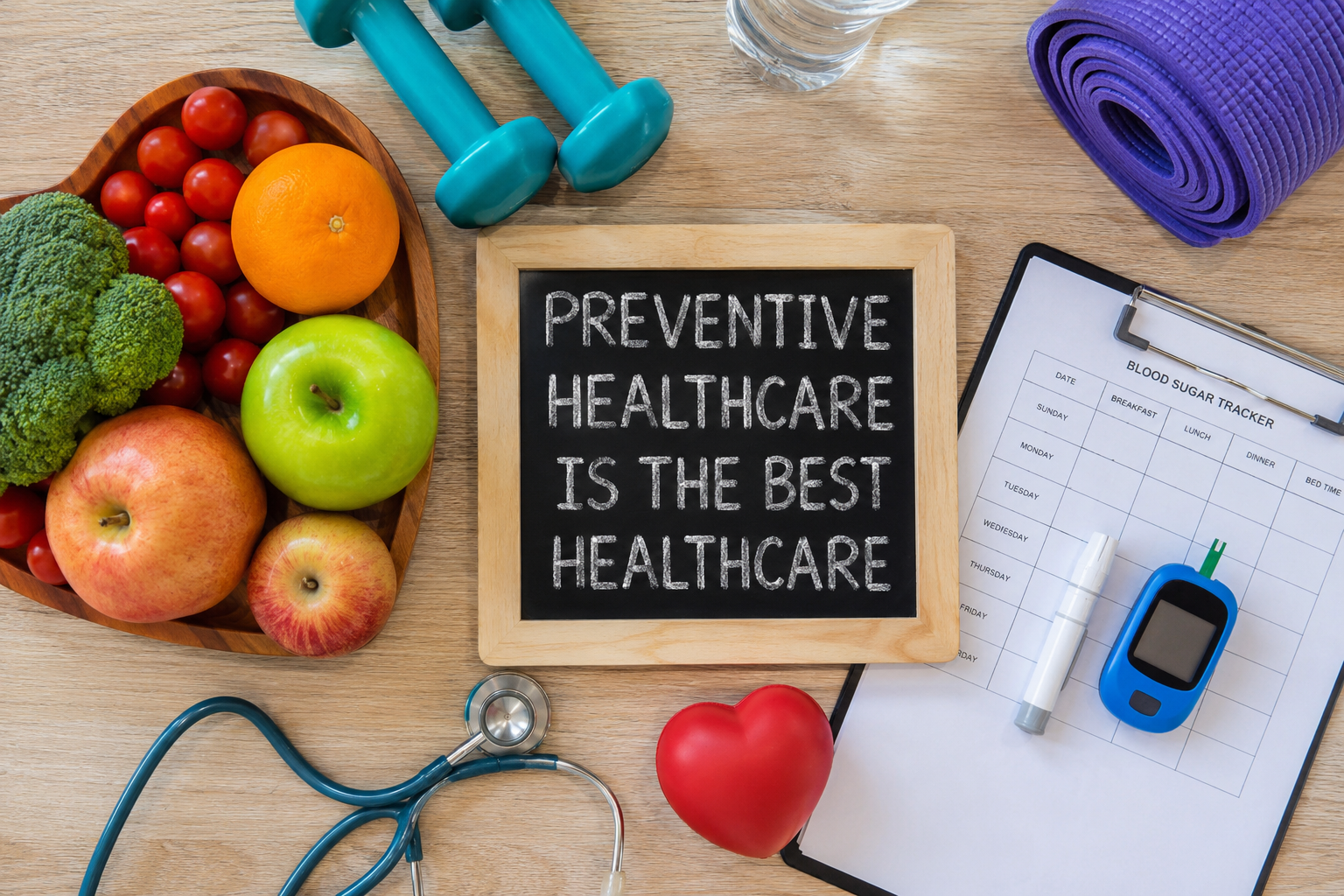
Preventive healthcare is becoming more important as people are paying greater attention to their long term health and overall quality of life. Instead of waiting for a health problem to become serious, preventive healthcare focuses on finding risks early and taking simple steps to reduce them. Regular checkups, healthy eating, physical activity, vaccinations, screenings, and good daily habits can all play an important role in preventing disease.
Modern lifestyles have also made preventive healthcare more necessary. Many people spend long hours sitting, eat highly processed foods, experience daily stress, and do not get enough sleep. These habits can increase the risk of conditions such as heart disease, diabetes, high blood pressure, and obesity. Preventive healthcare gives people an opportunity to understand these risks and make healthier choices before major problems develop.
What Is Preventive Healthcare?
Preventive healthcare means taking action to protect your health before an illness becomes serious. It includes regular medical checkups, health screenings, vaccinations, dental visits, healthy lifestyle choices, and monitoring important health measurements.
The main goal of preventive healthcare is early detection and prevention. Some diseases may develop slowly without obvious symptoms. A person may feel healthy while having high blood pressure or high blood sugar. Regular health checks can identify these problems early and allow people to take appropriate action.
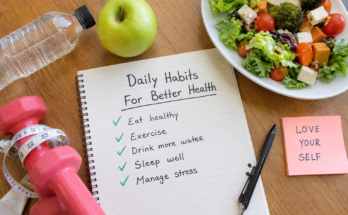
Preventive healthcare is not only about visiting a doctor. Everyday decisions also have a major effect on health. Eating nutritious food, exercising regularly, maintaining a healthy weight, getting enough sleep, avoiding tobacco, and managing stress are all important parts of preventive care.
Early Detection Can Save Lives
One of the biggest benefits of preventive healthcare is early detection. Many health conditions are easier to manage when they are discovered at an early stage. Regular screenings can help identify potential problems before symptoms become severe.
For example, checking blood pressure can reveal hypertension, which often has no noticeable symptoms. Blood tests can identify unusual blood sugar or cholesterol levels. Certain screening tests can also help detect some cancers at an earlier stage.
Early detection gives people more time to discuss their options with healthcare professionals and make informed decisions. It can also reduce the chance that a manageable condition will become a serious health problem.
Preventing Chronic Diseases
Chronic diseases are one of the major reasons preventive healthcare is becoming increasingly important. Conditions such as diabetes, heart disease, obesity, and high blood pressure can affect a person’s health for many years.
Many chronic diseases are connected with lifestyle and other risk factors. This does not mean every condition can be completely prevented, but healthy habits can reduce risk for many people.
Regular physical activity, balanced nutrition, healthy weight management, adequate sleep, and avoiding tobacco can support better health. Monitoring blood pressure, blood sugar, and cholesterol can also help people understand their health risks.
Preventive healthcare encourages people to take action instead of ignoring small warning signs.
Healthy Lifestyle Choices Matter
Daily habits are an important part of preventive healthcare. People do not need to make extreme changes to improve their health. Small and consistent improvements can make a meaningful difference over time.
A balanced diet should include vegetables, fruits, whole grains, lean sources of protein, and other nutritious foods. Limiting excessive sugar, salt, and highly processed foods can also support better health.
Regular physical activity is another important part of a healthy lifestyle. Walking, cycling, swimming, stretching, or other enjoyable activities can help improve fitness. Exercise can also support heart health, muscle strength, energy levels, and healthy weight management.
Sleep should not be ignored. Adults generally need enough quality sleep to support physical and mental wellbeing. Creating a regular sleep routine and reducing unnecessary screen use before bedtime may help improve sleep quality.
Regular Health Checkups Are Important
Many people visit a doctor only when they feel sick. However, regular health checkups can provide useful information even when a person feels healthy.
During a routine appointment, a healthcare professional may review a person’s medical history, lifestyle, family health history, and current health concerns. Depending on age and individual risk factors, they may recommend blood pressure checks, blood tests, vaccinations, or specific health screenings.
The exact schedule for checkups is different for every person. Age, family history, existing health risks, and personal circumstances can influence which preventive services are appropriate.
Regular healthcare visits also give people an opportunity to ask questions and discuss changes in their health.
Vaccination Is a Key Part of Prevention
Vaccination is another important part of preventive healthcare. Vaccines help protect people from certain infectious diseases and can also reduce the spread of infections within communities.
Vaccination recommendations can vary depending on age, location, occupation, medical circumstances, and other factors. Keeping vaccinations up to date can be an important part of maintaining personal and public health.
People should speak with qualified healthcare professionals about which vaccines are appropriate for them.
Mental Health Is Part of Preventive Healthcare
Preventive healthcare is not limited to physical health. Mental and emotional wellbeing are also important.
Long periods of stress can affect sleep, energy, concentration, and daily habits. Ignoring emotional difficulties may make them harder to manage. Preventive healthcare encourages people to pay attention to changes in mood, stress levels, relationships, and overall wellbeing.
Healthy social connections, regular physical activity, sufficient sleep, relaxation, hobbies, and talking with trusted people can support emotional wellbeing. When someone is experiencing ongoing or severe emotional difficulties, speaking with a qualified healthcare professional can be an important step.
Preventive Healthcare Can Reduce Healthcare Costs
Preventive healthcare may also help reduce healthcare costs over time. Treating advanced illness can require more appointments, medicines, procedures, hospital care, and long term support.
Finding health risks earlier may allow people to address them before they become more complicated. For example, improving lifestyle habits and managing certain risk factors early may help reduce the likelihood of serious complications.
Prevention is not a guarantee that someone will never become ill. Genetics, environmental factors, infections, accidents, and many other factors can affect health. However, preventive care can help people manage risks and make better informed health decisions.
Technology Is Changing Preventive Healthcare
Technology is making it easier for people to pay attention to their health. Smartwatches and fitness trackers can monitor information such as physical activity, heart rate, and sleep patterns. Health applications can also help people record exercise, food intake, appointments, and other information.
Telehealth has made it easier for some people to communicate with healthcare professionals without visiting a clinic for every concern. Digital health records can also help healthcare providers access important medical information when appropriate.
Technology should not replace professional medical advice, but it can support people in becoming more aware of their health and maintaining healthy routines.
Preventive Healthcare Helps People Take Control
Another reason preventive healthcare is becoming more important is that it encourages personal responsibility. People cannot control every aspect of their health, but they can make choices that support better wellbeing.
Learning about personal health risks can make it easier to set realistic goals. Someone with a family history of a particular condition may want to discuss appropriate screening with a healthcare professional. Another person may focus on improving physical activity, nutrition, sleep, or stress management.
The most effective approach is usually consistent rather than extreme. Small healthy actions repeated over months and years can become part of a person’s normal lifestyle.
The Importance of Health Education
Health education also plays a major role in preventive healthcare. People need reliable information to understand what affects their health and when they should seek professional advice.
Misinformation can lead to confusion and poor health decisions. People should use trustworthy healthcare sources and discuss personal concerns with qualified professionals rather than relying only on social media or unverified online claims.
Better health education can help people recognize warning signs, understand preventive services, and make informed decisions about their lifestyle.
Preventive Healthcare Is the Future of Better Health
Preventive healthcare is becoming more important because modern healthcare is increasingly focused on maintaining health instead of only treating disease. Early detection, regular checkups, vaccinations, healthy lifestyle habits, mental health support, and appropriate screenings can all contribute to better long term health.
Prevention does not mean that illness can always be avoided. However, it gives people a better opportunity to identify risks early and respond before problems become more serious.
A healthy future begins with the choices people make today. Eating nutritious food, staying physically active, getting enough sleep, managing stress, attending appropriate health checkups, and following professional medical advice can all support a healthier life.
As healthcare continues to develop, preventive healthcare will remain an important part of improving quality of life. Taking care of health before a serious problem appears is not simply a medical strategy. It is a practical approach to living a healthier, more active, and more informed life.