
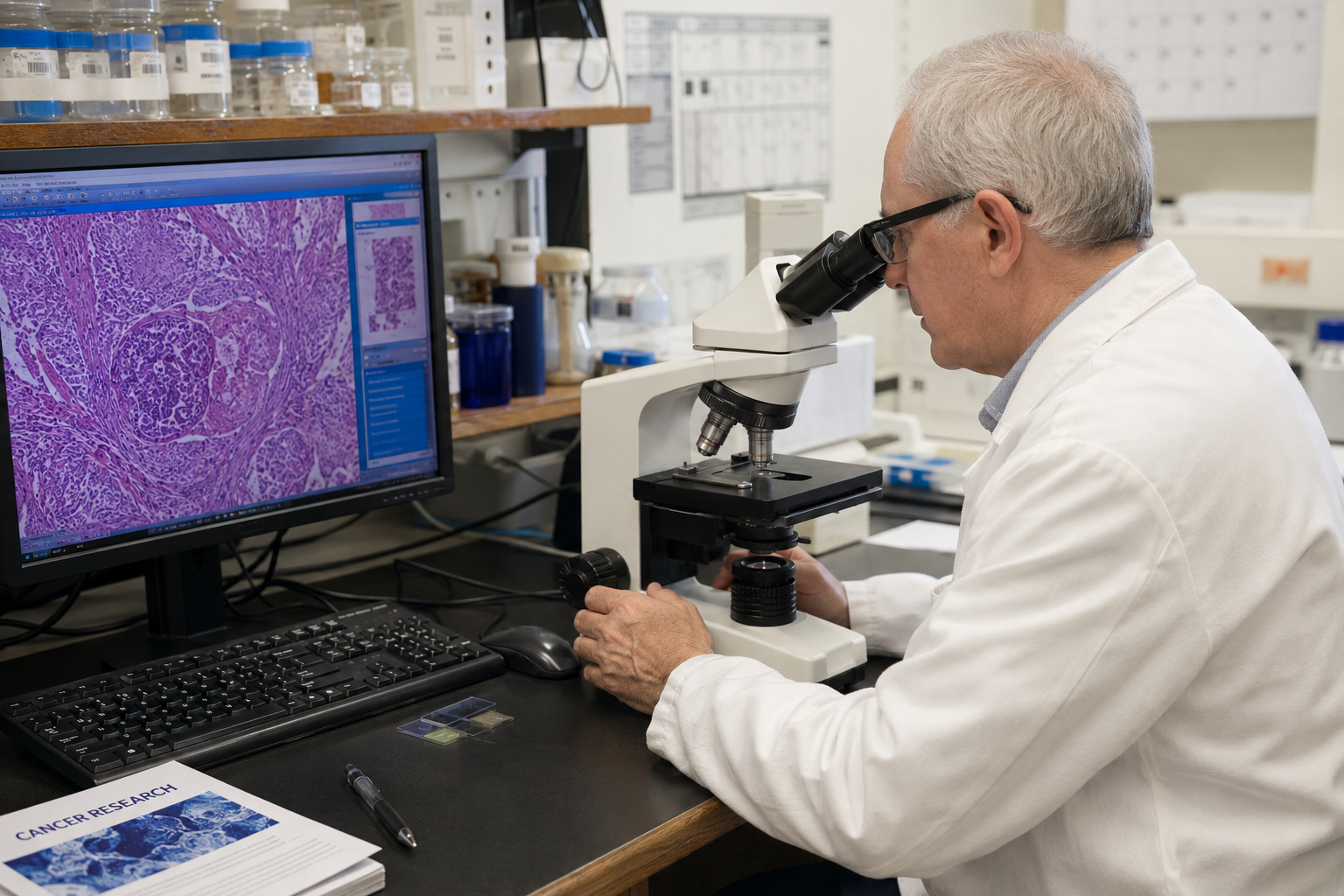
Cancer research is moving forward at a remarkable speed. Scientists are discovering new ways to detect cancer earlier, understand how tumors grow, and create treatments that are more specific to each patient. In 2026, some of the most exciting developments are happening in cancer immunotherapy, personalized cancer vaccines, targeted treatments, artificial intelligence, early cancer detection, and cell based therapies.
These breakthroughs do not mean that cancer has been cured. Cancer is a complex group of diseases, and every patient can respond differently to treatment. However, recent research is creating new possibilities for better cancer treatment and longer survival. Researchers are also focusing more on finding cancer at an early stage, when treatment may have a greater chance of success.
Cancer Immunotherapy Continues to Improve
One of the biggest breakthroughs in cancer research is the development of immunotherapy. Instead of directly attacking cancer cells like traditional chemotherapy, immunotherapy helps the immune system recognize and fight cancer.
Immune checkpoint inhibitors have already changed the treatment of several cancers, including melanoma, lung cancer, bladder cancer, and other tumor types. Researchers are now working to make immunotherapy effective for more patients and more types of cancer.
Scientists are studying why some tumors respond extremely well to immunotherapy while others do not. Understanding the immune environment around a tumor could help doctors choose better treatments. Researchers are also testing combinations of immunotherapy with targeted medicines, radiation, chemotherapy, and other approaches.
The goal is not simply to make cancer treatment stronger. Researchers also want to make it more precise and reduce unnecessary side effects.
Personalized Cancer Vaccines
Personalized cancer vaccines are among the most promising areas of modern cancer research. These vaccines are different from traditional vaccines that prevent infectious diseases. Instead, therapeutic cancer vaccines are designed to help the immune system recognize specific features of a patient’s tumor.
Researchers can study the genetic information of a tumor and identify unusual proteins called neoantigens. A vaccine can then be designed to teach the immune system to recognize these targets.
mRNA technology has made this approach particularly interesting. Research into personalized mRNA cancer vaccines has shown the potential to create treatments based on an individual patient’s tumor characteristics. Clinical research is continuing in melanoma and several other cancers.
Recent clinical research has also produced encouraging results in melanoma. One 2026 report described long term results from an mRNA based personalized vaccine approach combined with immunotherapy, highlighting the possibility of reducing the risk of cancer returning after surgery.
Although these vaccines are still being studied, they could eventually become an important part of personalized cancer treatment.
New Approaches to Cancer Prevention
Cancer research is increasingly moving beyond treating cancer after it develops. Scientists are also investigating whether certain cancers can be prevented before they become dangerous.
One exciting area involves vaccines designed for people who have a particularly high genetic risk of developing cancer. Researchers are testing vaccines that may help the immune system recognize abnormal cells before they develop into full cancer.
For example, researchers are studying vaccines for people with Lynch syndrome, an inherited condition associated with a higher risk of colorectal cancer. These experimental approaches aim to train the immune system to recognize abnormal proteins produced by cells carrying certain genetic changes.
This research could eventually change the way doctors think about cancer prevention. Instead of waiting for a tumor to appear, medicine could potentially identify people at high risk and use preventive strategies before cancer becomes established.
Artificial Intelligence in Cancer Research
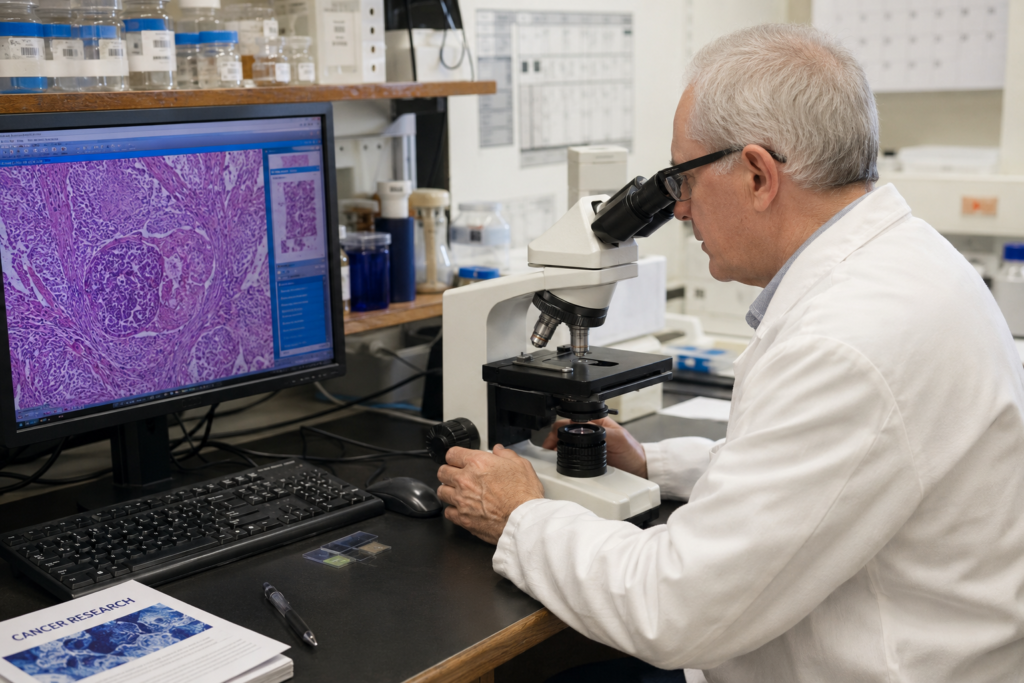
Artificial intelligence is becoming another important tool in cancer research. AI can analyze huge amounts of medical information much faster than humans can do manually.
Researchers are using artificial intelligence to study medical images, genetic data, pathology slides, patient records, and clinical trial information. These technologies may help doctors identify suspicious areas, understand tumor characteristics, and predict which treatments may work best.
The American Association for Cancer Research identified artificial intelligence, early detection, prevention, and personalized treatment as important areas of cancer research in 2026.
New research is also exploring how AI can connect information from cancer genomes with medical images. Such approaches could help researchers discover relationships between genetic changes and the way tumors appear on scans.
AI is not expected to replace cancer specialists. Instead, its greatest value may come from helping researchers and doctors process complicated information and make better informed decisions.
More Precise Targeted Cancer Treatments
Targeted therapy is another major development in cancer treatment. These medicines are designed to attack specific proteins or molecular changes that help cancer cells grow, divide, or spread.
As scientists learn more about cancer genetics, they can identify specific mutations and biological pathways that may be vulnerable to treatment. This has helped create a more personalized approach to oncology.
New generations of targeted treatments are also being combined with immunotherapy. Antibody drug conjugates are one example. These medicines are designed to deliver powerful cancer killing drugs more directly to cells carrying a particular target.
Bispecific antibodies are another promising area. These treatments can interact with more than one biological target and may help the immune system attack cancer more effectively. Several next generation treatments are being studied for difficult solid tumors.
The long term goal is to deliver effective treatment directly to cancer while limiting damage to healthy tissue.
Advances in Cell and Gene Therapy
Cell therapy has already produced important results in some blood cancers. CAR T cell therapy is a leading example. In this approach, doctors collect a patient’s immune cells, modify them in a laboratory so they can better recognize cancer, and then return them to the body.
Researchers are now trying to improve these therapies and make them work against more types of cancer, including difficult solid tumors.
Scientists are investigating ways to help engineered immune cells survive longer, enter tumors more effectively, and overcome the protective environment created by cancer cells. New research is also exploring additional recognition systems that could improve the performance of engineered T cells.
Cell and gene therapy research could become increasingly important as scientists learn how to manipulate the immune system with greater precision.
Earlier Cancer Detection
Finding cancer early can make a major difference in treatment. For this reason, researchers are developing new technologies that may identify cancer before symptoms appear.
One promising area is multi cancer early detection blood testing. These tests look for biological signals associated with cancer in a blood sample. Researchers are conducting clinical studies to determine which people may benefit most from these technologies and whether they can improve cancer outcomes when used alongside established screening methods.
The idea of detecting several types of cancer through a simple blood test is exciting, but more research is needed. Scientists must determine how accurate these tests are, whether they can reduce cancer deaths, and how doctors should respond when a test produces an abnormal result.
Early detection remains one of the most important goals in cancer research because treatment can be more effective when disease is found before it has spread.
New Hope for Difficult Cancers
Some cancers remain particularly difficult to treat because they grow quickly, spread early, or resist existing therapies. Researchers are therefore developing new strategies for pancreatic cancer, brain cancer, prostate cancer, and other challenging diseases.
Research presented in 2026 has included new targeted treatments and combination approaches for advanced pancreatic cancer. Scientists are also exploring ways to overcome the biological barriers that make some tumors resistant to immunotherapy.
Brain cancer research is another important area. Scientists are developing treatments designed to deliver therapy more effectively to brain tumors while dealing with the blood brain barrier, which can prevent many medicines from reaching the brain. Experimental targeted radiation approaches are being tested for glioblastoma and other difficult brain tumors.
These treatments are still being evaluated, but they demonstrate how cancer research is becoming increasingly specialized.
The Future of Cancer Research
The future of cancer research will likely involve several technologies working together. A patient may receive genetic testing, advanced imaging, AI assisted analysis, targeted therapy, immunotherapy, and personalized vaccination as part of one treatment strategy.
Researchers are also becoming more interested in cancer prevention and interception. Instead of focusing only on removing or destroying established tumors, scientists want to understand how cancer develops and find ways to stop the disease earlier.
Despite the progress, many experimental treatments remain in clinical trials. A promising laboratory result does not always become a successful treatment for patients. Researchers must carefully evaluate safety, effectiveness, side effects, cost, and long term outcomes before new therapies become widely available.
Conclusion
The latest breakthroughs in cancer research are changing the way scientists understand and treat cancer. Personalized cancer vaccines, immunotherapy, targeted treatments, artificial intelligence, early detection technologies, and cell based therapies are creating new opportunities for patients around the world.
The most important change may be the move toward personalized cancer care. Instead of treating every patient with the same approach, doctors are increasingly able to consider the genetic and biological features of an individual tumor.
Cancer remains a serious global health challenge, but the pace of research offers genuine hope. As clinical trials continue and researchers learn more about the biology of cancer, future treatments may become more precise, more effective, and easier for patients to tolerate. The latest cancer research is not promising one single cure. It is building a future in which many different cancers can be detected earlier, treated more successfully, and managed with greater precision.