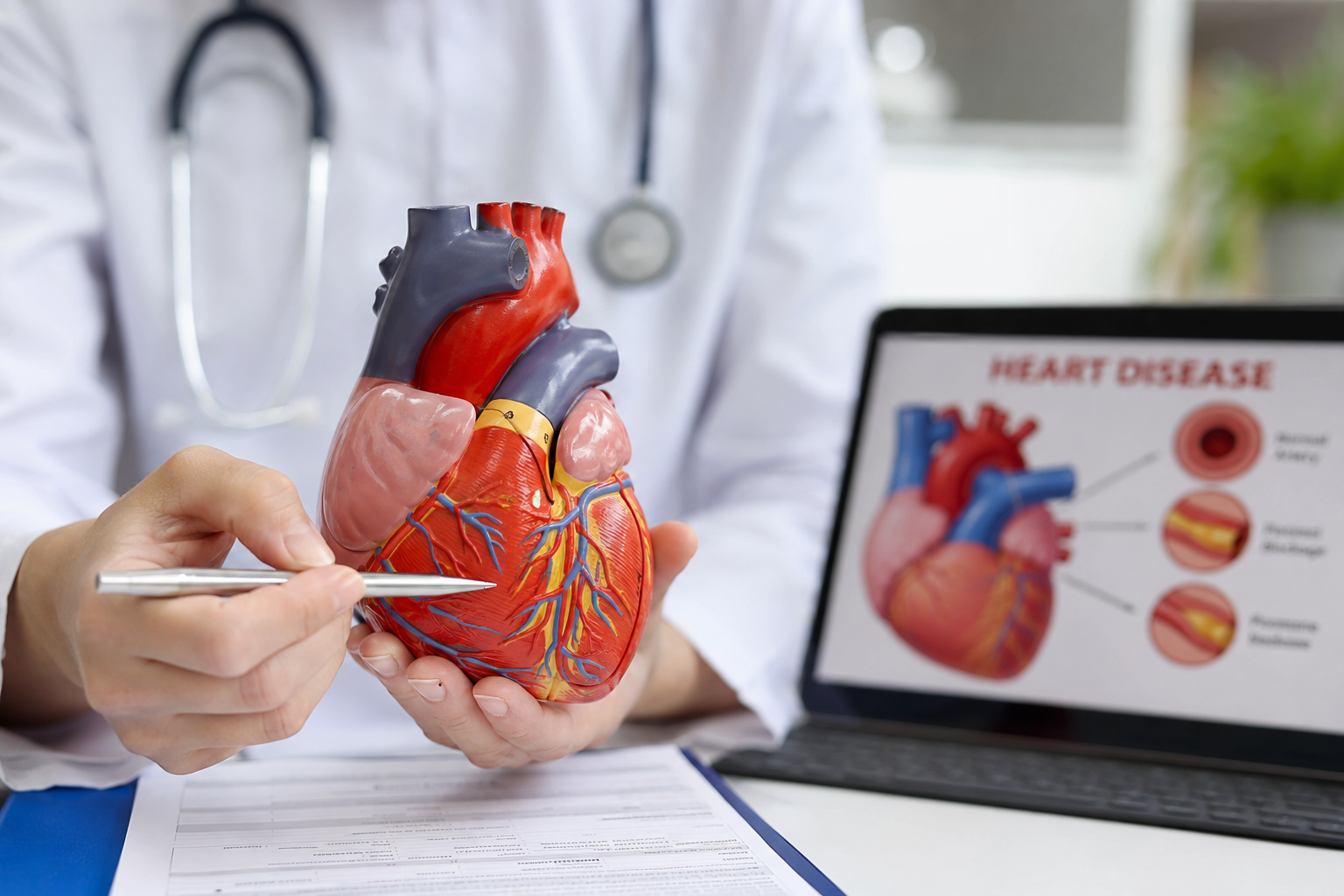
Heart disease remains one of the most serious health challenges around the world. Millions of people live with conditions such as coronary artery disease, heart failure, irregular heart rhythms, and problems with heart valves. At the same time, medical science is making steady progress in the way these conditions are detected, treated, and managed. New developments in heart disease treatment are giving doctors more options and helping patients receive care that is more accurate, personalized, and effective.
Modern heart disease treatment is no longer limited to traditional medicines or major surgery. Doctors can now use advanced imaging, minimally invasive procedures, newer medicines, wearable technology, and personalized treatment strategies. These developments are helping improve quality of life and, in many cases, reduce the risk of serious heart complications.
Advanced Medicines for Heart Disease
One of the most important areas of progress is the development of new medicines. Modern heart disease treatment increasingly focuses on controlling several risk factors at the same time. Doctors may use medicines to manage blood pressure, cholesterol, blood sugar, blood clotting, and heart function.
Newer cholesterol lowering treatments are especially important for people who cannot reach healthy cholesterol levels with standard medicines. Some treatments work by targeting specific pathways involved in cholesterol production and removal. These medicines can help reduce harmful cholesterol and lower the long term risk of cardiovascular problems.
Another important development involves medicines used for heart failure. Some newer drug groups can help the heart work more efficiently and reduce the chances of hospitalization. Certain medicines originally developed for other health conditions have also shown important benefits for people with heart failure and cardiovascular risk.
The growing range of medicines means that treatment can be adjusted according to a patients individual condition. Instead of using exactly the same approach for everyone, doctors can select treatments based on medical history, symptoms, test results, and other risk factors.
Better Treatment for Heart Failure
Heart failure is a complex condition in which the heart cannot pump blood as effectively as the body needs. Although there is currently no simple cure for every type of heart failure, treatment has improved significantly.
Doctors now have a wider range of medicines and devices that can support heart function. Some patients may benefit from cardiac resynchronization therapy, which uses an implanted device to help the heart chambers beat in a more coordinated way. Other patients may benefit from implantable devices that can monitor or respond to dangerous heart rhythms.
Advanced treatment is also becoming more focused on early intervention. Identifying worsening heart failure before severe symptoms appear may allow doctors to adjust treatment earlier and potentially prevent emergency hospital visits.
Minimally Invasive Heart Procedures
Heart surgery has also changed considerably. Many procedures that once required large surgical openings can now be performed through smaller openings using specialized instruments and catheters.
One important example is transcatheter aortic valve replacement, often called TAVR. This procedure allows doctors to replace a damaged aortic valve without traditional open heart surgery in suitable patients. A replacement valve is guided through a blood vessel and positioned inside the heart.
Minimally invasive approaches can reduce recovery time for selected patients and may be particularly valuable for people who have a higher risk from conventional surgery. Doctors carefully evaluate each patient before deciding whether such a procedure is appropriate.
New Developments in Heart Valve Treatment
Heart valve disease can make it difficult for the heart to move blood properly. Traditional valve surgery remains an important treatment, but newer catheter based procedures are creating additional options.
For some patients with leaking or narrowed heart valves, doctors can repair or replace valves using catheter based techniques. These procedures may be performed without opening the chest in the traditional way.
The development of improved artificial valves and repair devices is another important area of research. Better designs may help doctors provide treatment that lasts longer and works more naturally with the heart.
Artificial Intelligence in Cardiology
Artificial intelligence is becoming another important part of modern cardiovascular care. AI systems can analyze large amounts of medical information and may help doctors identify patterns that are difficult to detect manually.
AI can assist with the interpretation of heart imaging, electrocardiograms, and other medical tests. In some situations, computer based analysis may help identify patients who need additional testing.
The goal is not to replace cardiologists. Instead, artificial intelligence can provide additional information that supports medical decision making. As the technology improves, it may become more useful for early detection and personalized treatment.
Wearable Technology and Heart Monitoring
Wearable technology has also changed the way people monitor their heart health. Smartwatches and other wearable devices can track information such as heart rate and activity. Some advanced devices can detect irregular heart rhythms and encourage users to seek medical evaluation.
Continuous monitoring can be useful for patients who have known heart rhythm problems. Instead of relying only on occasional visits to a clinic, doctors may be able to receive information about changes in a patients condition.
However, wearable devices should not be considered a replacement for professional medical testing. An unusual reading may have many possible explanations, and medical evaluation is needed before making treatment decisions.
Personalized Heart Disease Treatment
Personalized medicine is becoming increasingly important in cardiovascular care. Every patient has different risk factors, lifestyle habits, medical history, and response to treatment.
Doctors are using more detailed information to decide which treatment may be most suitable for an individual. This can include cholesterol levels, blood pressure, family history, imaging results, medication response, and other clinical information.
Genetic research may also contribute to future cardiovascular treatment. Scientists are studying how genetic differences influence the risk of heart disease and how patients respond to certain medicines. This research could eventually support more precise treatment strategies.
Advances in Coronary Artery Disease Treatment
Coronary artery disease occurs when blood vessels supplying the heart become narrowed or blocked. Medicines, lifestyle changes, angioplasty, and stent procedures remain important treatments.
Modern stents are designed to improve blood flow while reducing the possibility of the artery becoming narrowed again. Improvements in catheter technology and imaging also allow doctors to plan procedures more accurately.
In some cases, advanced imaging can help doctors understand the structure of a blockage before treatment. This information can support better decisions about whether a patient needs medication, a stent, bypass surgery, or another approach.
New Approaches to Heart Rhythm Disorders
Irregular heart rhythms, known as arrhythmias, can range from harmless conditions to serious problems. Treatment has improved through better medicines, monitoring devices, and catheter procedures.
Catheter ablation is one example of an advanced treatment. During this procedure, doctors use specialized equipment to identify areas of heart tissue responsible for abnormal electrical signals. The problematic areas can then be treated to reduce or stop the irregular rhythm.
Technological improvements are making these procedures more precise. Better mapping systems can help doctors understand the electrical activity of the heart and target treatment more accurately.
Regenerative Medicine and Future Heart Treatment
Regenerative medicine is another promising field of cardiovascular research. Scientists are investigating ways to repair damaged heart tissue using cells, biological materials, and other advanced techniques.
The heart has limited ability to regenerate damaged tissue after certain types of injury. Researchers are therefore exploring whether regenerative approaches could help restore heart function.
These treatments are still being studied, and many remain experimental. More research is needed to understand their safety, effectiveness, and long term results. However, regenerative medicine could become an important part of future heart disease treatment.
Importance of Prevention Alongside New Treatment
Even with these exciting medical developments, prevention remains one of the most effective ways to protect heart health. New treatments can help manage disease, but healthy lifestyle choices remain essential.
Regular physical activity, a balanced diet, maintaining a healthy weight, avoiding tobacco, managing stress, and controlling blood pressure and cholesterol can all contribute to better cardiovascular health.
Regular medical checkups are also important, particularly for people with risk factors such as high blood pressure, diabetes, high cholesterol, or a family history of heart disease.
Conclusion
New developments in heart disease treatment are changing cardiovascular medicine in important ways. Advanced medicines, minimally invasive procedures, improved heart devices, artificial intelligence, wearable monitoring, personalized medicine, and regenerative research are creating new possibilities for patients.
These advances do not mean that every new treatment is suitable for every person. The best approach depends on the type of heart disease, overall health, age, medical history, and individual risk factors. Patients should always discuss treatment choices with a qualified healthcare professional.
As research continues, heart disease treatment is expected to become more precise, less invasive, and increasingly personalized. These developments offer hope for better disease management, improved quality of life, and stronger cardiovascular health for millions of people.