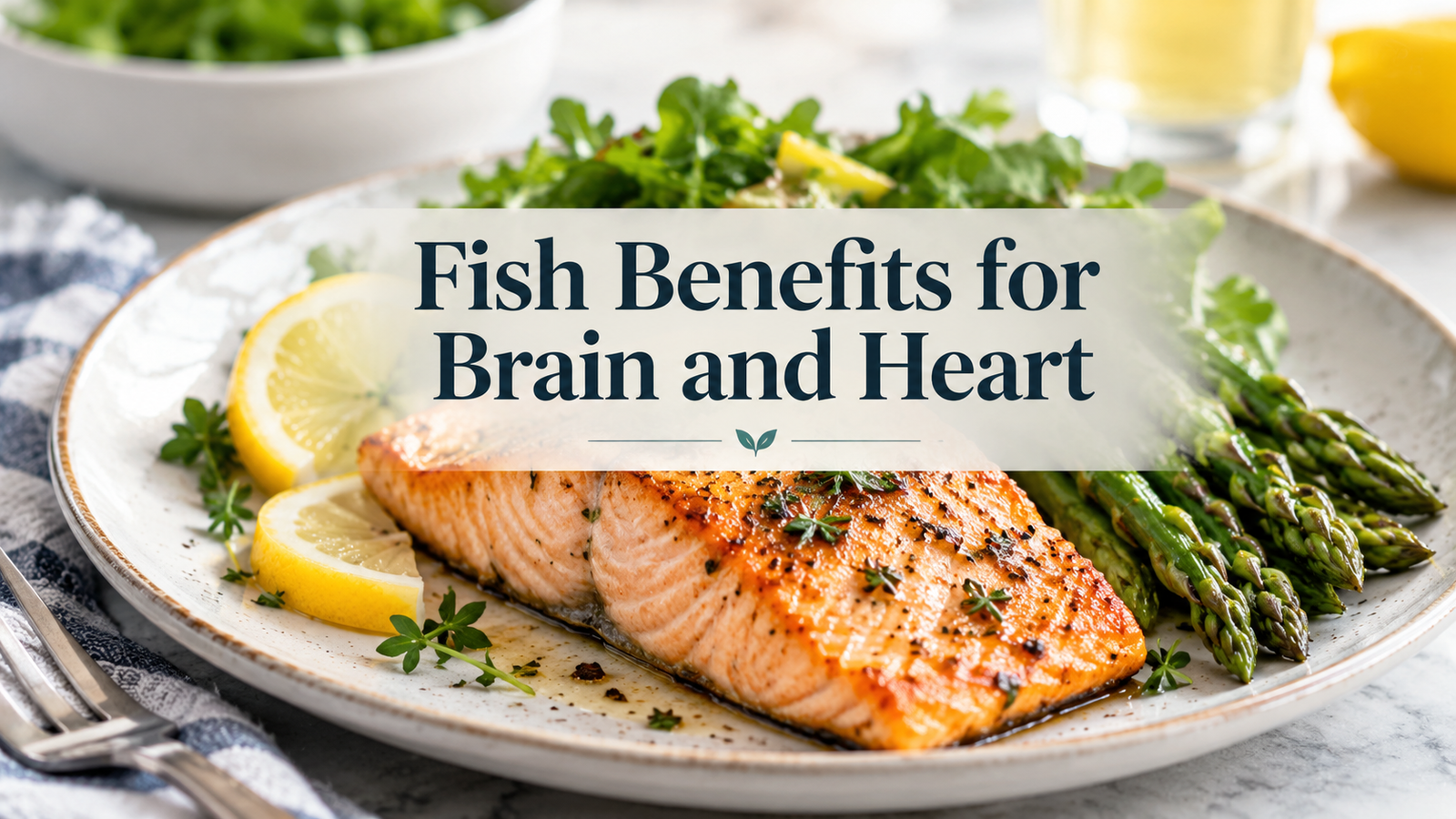
Fish has been considered one of the healthiest foods in the world for centuries. Many cultures include fish as a regular part of their diet because it provides important nutrients that support the body in many ways. From improving brain function to protecting heart health, fish offers a wide range of benefits that make it a valuable addition to a balanced diet. Scientists and nutrition experts often recommend eating fish because it contains high quality protein, essential vitamins, minerals, and healthy fats that the human body needs.
The fish benefits for brain and heart are mainly linked to omega 3 fatty acids, especially EPA and DHA. These healthy fats play an important role in maintaining brain cells, supporting memory, and keeping the cardiovascular system healthy. Unlike many other foods that contain unhealthy fats, fish provides beneficial fats that help the body function properly.
Eating fish does not only support one part of the body. It can improve overall wellness by helping maintain energy levels, supporting muscles, strengthening immunity, and promoting healthy aging. Adding fish to your weekly meal plan can be a simple and natural way to improve your nutrition.
Nutritional Value of Fish
Fish is packed with essential nutrients that contribute to good health. It is an excellent source of complete protein, which helps build and repair body tissues. Protein is necessary for muscle development, hormone production, and maintaining a strong immune system.
One of the most important nutrients found in fish is omega 3 fatty acids. These fats are called essential because the body cannot produce enough of them on its own. They must be obtained through food. Omega 3 fatty acids are especially important for brain and heart health because they support the structure and function of cells.
Fish also contains vitamins such as vitamin D and vitamin B12. Vitamin D helps maintain strong bones and supports the immune system, while vitamin B12 plays an important role in nerve function and the production of healthy blood cells.
Minerals like selenium, iodine, and zinc are also found in many types of fish. These minerals support metabolism, thyroid function, and the body’s natural defense system.
Fish Benefits for Brain Health
The human brain requires proper nutrition to work efficiently. Since the brain contains a large amount of fat, healthy fats like omega 3 fatty acids are extremely important for maintaining brain structure and function.
One of the major fish benefits for brain health is improved memory support. DHA, a type of omega 3 fatty acid found in fish, helps maintain communication between brain cells. This allows brain cells to send signals effectively, which supports learning, concentration, and memory.
Regular fish consumption may also help protect the brain as people grow older. Research suggests that diets rich in omega 3 fatty acids may support healthy brain aging and reduce the risk of cognitive decline. Including fish in a balanced diet may help maintain mental sharpness over time.
Fish can also support mood and emotional wellness. Omega 3 fatty acids are involved in the production and function of certain chemicals in the brain that influence emotions. A nutritious diet containing fish may contribute to better overall mental well being.
For students and people involved in mentally demanding work, eating fish can be a beneficial choice. A healthy brain needs a constant supply of nutrients, and fish provides important components that support brain performance.
How Fish Supports Memory and Learning
Memory and learning depend on healthy communication between brain cells. Nutrients found in fish help maintain the flexibility and strength of brain connections.
Omega 3 fatty acids support the development and maintenance of brain tissues. They help create an environment where brain cells can function effectively. This is especially important during childhood when the brain is developing, but it remains valuable throughout adulthood.
People who include fish regularly in their diet may benefit from better concentration and mental performance. While fish alone cannot guarantee improved intelligence or memory, it provides nutrients that support the natural processes involved in brain function.
Combining fish with other healthy foods such as vegetables, fruits, whole grains, and nuts can create a balanced eating pattern that supports long term brain health.
Fish Benefits for Heart Health
Heart disease is one of the most common health concerns worldwide. A healthy diet plays an important role in protecting the heart, and fish is considered one of the best foods for cardiovascular wellness.
The fish benefits for heart health are strongly connected to omega 3 fatty acids. These healthy fats may help maintain normal levels of triglycerides in the blood and support healthy blood circulation.
Eating fish regularly may also support healthy blood pressure levels. Omega 3 fatty acids help maintain the flexibility of blood vessels, allowing blood to flow smoothly throughout the body.
Fish can also help maintain a healthy cholesterol balance. Replacing foods that contain unhealthy fats with fish can improve the overall quality of a person’s diet and support better heart health.
Many experts recommend choosing fatty fish because they contain higher amounts of omega 3 fatty acids. Examples include salmon, sardines, mackerel, and tuna. These varieties are especially valued for their heart supporting nutrients.
Fish and Protection Against Inflammation
Inflammation is a natural process that helps the body fight injuries and infections. However, long term inflammation can contribute to several health problems.
Omega 3 fatty acids found in fish have natural anti inflammatory properties. They help the body maintain a healthier inflammatory balance. This can support the health of blood vessels, joints, and other body systems.
A diet that includes fish along with other nutrient rich foods can help the body manage inflammation naturally. This is one reason why traditional diets that include seafood are often associated with better overall health outcomes.
Best Types of Fish to Eat
Different types of fish provide different levels of nutrients. Choosing a variety of fish can help you receive a wide range of health benefits.
Salmon is one of the most popular healthy fish choices because it contains a high amount of omega 3 fatty acids and protein. It is often recommended for supporting heart and brain health.
Sardines are another excellent option. They are affordable, nutrient rich, and provide omega 3 fatty acids, vitamin D, and calcium.
Mackerel is also known for its healthy fat content. It is a good choice for people looking to increase their intake of omega 3 nutrients.
Tuna is widely consumed around the world and provides protein along with important nutrients. However, choosing safe and properly sourced fish is always important.
Local fish varieties can also be healthy choices when they are fresh and properly prepared.
How Often Should You Eat Fish?
Many health experts suggest eating fish two times per week as part of a balanced diet. This amount can help provide important nutrients while maintaining variety in your meals.
The best approach is to include different types of fish rather than eating only one variety. This helps provide a wider range of nutrients and flavors.
The way fish is prepared also matters. Grilled, baked, or steamed fish is generally a healthier option compared to heavily fried fish. Cooking methods that use less oil help preserve the natural nutritional value of fish.
Healthy Ways to Prepare Fish
Cooking methods can affect the overall health value of any food. Fish is naturally nutritious, but preparation methods can make a difference.
Grilling fish helps maintain its flavor while avoiding excessive added fats. Baking is another simple method that keeps fish tender and healthy.
Steaming fish preserves many nutrients and creates a light meal that is easy to digest. Adding herbs, lemon, and vegetables can improve both taste and nutritional value.
Deep frying fish frequently may add extra calories and unhealthy fats, which can reduce some of the health advantages of eating fish.
Fish for Children and Older Adults
Fish can be beneficial for people of all ages. For children, nutrients like DHA support brain development and learning. Including safe and properly prepared fish in family meals can contribute to healthy growth.
For older adults, fish provides protein that helps maintain muscle strength. Omega 3 fatty acids may also support brain and heart health during aging.
However, food choices should always consider individual health conditions and dietary needs.
Possible Considerations When Eating Fish
Although fish is highly nutritious, it is important to choose quality sources. Some fish may contain higher levels of environmental contaminants, so selecting commonly recommended varieties and eating a balanced diet is important.
Pregnant women and young children should follow specific guidance about fish choices because their nutritional needs are different.
Freshness and proper storage are also important. Fresh fish should have a clean smell and should be stored safely to maintain quality.
Conclusion
The fish benefits for brain and heart make it one of the most valuable foods for a healthy lifestyle. Fish provides essential nutrients such as omega 3 fatty acids, protein, vitamins, and minerals that support important body functions.
Regular consumption of fish can help support memory, concentration, heart health, and overall wellness. By choosing healthy fish varieties and preparing them in nutritious ways, you can enjoy a delicious food that contributes to long term health.
A balanced diet is not about one single food, but including powerful nutrient rich options like fish can make a meaningful difference. Adding fish to your weekly meals is a simple step toward supporting a healthier brain, a stronger heart, and a better quality of life.