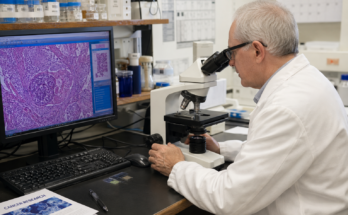

Medical research plays an important role in improving the way patients are diagnosed, treated, and supported. Every year, scientists, doctors, universities, hospitals, and research organizations study diseases, medicines, medical technologies, and patient needs. The knowledge gained from this research helps healthcare professionals make better decisions and provide safer and more effective care.
Today, medical research is improving patient care in many different ways. It is helping doctors detect diseases earlier, develop better treatments, reduce treatment risks, understand diseases more clearly, and create personalized healthcare plans. Modern research is also helping patients recover faster and enjoy a better quality of life.
Better Understanding of Diseases
One of the most important benefits of medical research is a better understanding of diseases. Researchers study how diseases begin, how they develop, and how they affect different parts of the body. This information helps doctors understand the causes and warning signs of many health conditions.
For example, research has improved our understanding of conditions such as cancer, diabetes, heart disease, infections, and neurological disorders. As scientists learn more about these diseases, healthcare professionals can improve diagnosis and treatment methods.
Better knowledge also allows researchers to identify risk factors. When doctors understand why a person may be more likely to develop a certain condition, they can recommend lifestyle changes, screening tests, or other preventive measures.
Earlier and More Accurate Diagnosis
Medical research has greatly improved diagnostic methods. Early diagnosis can make a major difference in patient care because many diseases are easier to manage when they are discovered at an early stage.
Researchers are developing advanced imaging methods, laboratory tests, genetic tests, and other diagnostic technologies. These tools can help doctors identify diseases more accurately and sometimes detect problems before serious symptoms appear.
Artificial intelligence is also becoming an important area of medical research. Researchers are studying how computer systems can analyze medical images, laboratory results, and other health information. These technologies may help healthcare professionals identify certain conditions more quickly while still keeping doctors involved in important medical decisions.
Development of Better Treatments
Medical research is responsible for many of the treatments used in healthcare today. Researchers test new medicines, therapies, procedures, and medical devices to determine whether they are safe and effective.
Clinical trials are an important part of this process. During clinical research, scientists carefully study how a treatment works, what benefits it may provide, and what side effects it can cause. Treatments that demonstrate safety and effectiveness can eventually become available to patients.
Research has also helped improve treatments for serious diseases. Cancer care, for example, has expanded beyond traditional treatments to include targeted therapies and immunotherapy for certain patients. Similar progress is happening in areas such as heart disease, infectious diseases, and rare medical conditions.
Personalized Patient Care
Another major way medical research is improving patient care is through personalized medicine. Traditional healthcare often uses similar treatment approaches for people with the same diagnosis. However, researchers have learned that patients can respond differently to the same treatment.
Personalized medicine considers factors such as genetics, age, lifestyle, medical history, and other characteristics. Genetic research can help doctors understand why certain treatments may work better for some patients than others.
This approach can help healthcare professionals choose treatments that are more suitable for individual patients. It may also reduce unnecessary treatments and lower the risk of certain side effects.
Safer Medicines and Medical Procedures
Patient safety is a major focus of medical research. Before a new medicine or medical procedure becomes widely available, researchers study its possible benefits and risks.
Research continues even after treatments are approved. Scientists and healthcare organizations collect information about how treatments perform in real world settings. This can help identify uncommon side effects and provide new information about how a treatment should be used.
Medical research has also improved surgical techniques and hospital procedures. New technologies can make some procedures less invasive, which may reduce recovery time and discomfort for certain patients.
Improved Preventive Healthcare
Medical research does not only focus on treating illness. It also helps prevent diseases before they become serious.
Researchers study factors that influence health, including nutrition, physical activity, sleep, environmental exposure, infections, and lifestyle habits. Their findings can support public health recommendations and preventive healthcare programs.
Vaccines are one of the clearest examples of research improving patient care. Scientific research has helped develop vaccines that protect people from serious infectious diseases. Research also continues to improve vaccine technology and understand how immune systems respond to infections.
Preventive research can help people take action before a health problem becomes severe. Regular screening, healthy lifestyle choices, vaccination, and early medical evaluation can all contribute to better health outcomes.
Faster Recovery and Better Quality of Life
Patient care is not only about keeping people alive. It is also about helping patients recover and live comfortably after illness or injury.
Medical research is helping improve rehabilitation, pain management, physical therapy, mental health support, and long term disease management. Researchers study ways to help patients regain strength, mobility, independence, and confidence.
For people living with chronic conditions, research can provide better ways to control symptoms and prevent complications. This can help patients continue working, studying, spending time with family, and participating in everyday activities.
Advances in Digital Healthcare
Technology has changed the healthcare industry, and medical research is helping make digital healthcare more useful. Researchers are studying telemedicine, wearable devices, remote monitoring systems, electronic health records, and digital health applications.
Wearable devices can collect information such as heart rate, physical activity, and sleep patterns. Researchers are exploring how this information can support healthcare decisions when used appropriately.
Telemedicine research has also helped expand access to healthcare. Patients in remote areas may be able to communicate with healthcare professionals without traveling long distances for every appointment.
Digital healthcare does not replace doctors. Instead, research aims to create tools that support healthcare professionals and make patient care more convenient and efficient.
Better Care for Rare Diseases
Patients with rare diseases have historically faced significant challenges because limited information and small patient populations can make research difficult. Modern medical research is helping change this situation.
Scientists are studying genetic causes, disease mechanisms, new medicines, and innovative therapies for rare conditions. Advances in genetic research have made it possible to identify the causes of some rare diseases more accurately.
Although many rare diseases still do not have effective treatments, ongoing research is creating new opportunities for patients and their families.

Improving Mental Health Care
Medical research is also improving the understanding and treatment of mental health conditions. Researchers study the biological, psychological, social, and environmental factors that can affect mental wellbeing.
Research has contributed to improvements in therapies, medications, psychological support, and early intervention strategies. Scientists are also working to reduce the stigma surrounding mental health by increasing public understanding of these conditions.
Better mental health research helps healthcare professionals provide more complete patient care because mental and physical health are closely connected.
The Future of Medical Research
The future of medical research is expected to bring further improvements in patient care. Scientists are exploring areas such as gene therapy, regenerative medicine, advanced cancer treatments, artificial intelligence, robotics, personalized medicine, and new approaches to infectious diseases.
However, medical progress requires careful testing and responsible use. A promising discovery must be studied properly before it becomes part of routine patient care. Researchers must consider safety, effectiveness, ethics, affordability, and accessibility.
The goal is not simply to create new medical technology. The goal is to make healthcare safer, more effective, more accessible, and more focused on the needs of patients.
Conclusion
Medical research is improving patient care by changing how diseases are understood, diagnosed, prevented, and treated. It is helping doctors detect health problems earlier, develop better treatments, personalize medical decisions, improve patient safety, and support faster recovery.
From new medicines and diagnostic tools to digital healthcare and personalized treatment, research continues to influence almost every part of modern medicine. As scientific knowledge grows, patients can benefit from better healthcare options and improved quality of life.
Medical research is therefore an essential part of the future of healthcare. Continued investment in scientific discovery, clinical research, patient safety, and healthcare innovation can help create a medical system that provides better outcomes and more effective care for people around the world.