Emotional resilience is an important part of living a healthy and balanced life. It helps people handle stress, recover from difficult experiences, and continue moving forward when life becomes challenging. Everyone faces problems at different stages of life. Work pressure, family responsibilities, financial concerns, relationship problems, disappointment, and unexpected changes can affect emotional health. While it is impossible to avoid every difficult situation, it is possible to develop healthy ways to respond to those situations.
Building emotional resilience does not mean ignoring emotions or pretending that everything is fine. It means learning how to understand emotions, manage stress, maintain hope, and find healthy solutions during difficult times. Strong emotional resilience can support better mental health, stronger relationships, and greater confidence in everyday life.
What Is Emotional Resilience?
Emotional resilience is the ability to cope with difficult emotions and challenging situations while maintaining a healthy sense of balance. A resilient person can experience sadness, anger, fear, or disappointment without allowing those emotions to completely control daily life.
Emotional resilience is not something that only certain people have. It is a skill that can be developed over time through healthy habits, self awareness, supportive relationships, and positive thinking. Even small changes in daily life can help improve emotional strength.
Practice Self Awareness
One of the first steps toward building emotional resilience is developing self awareness. Understanding what you are feeling can make it easier to manage your emotions.
Instead of immediately reacting when you feel angry, worried, or overwhelmed, take a moment to identify the emotion. Ask yourself what caused it and how it is affecting your thoughts and behavior.
Writing in a journal can also help. You can write about your feelings, daily experiences, worries, and things you are grateful for. This simple habit can help organize your thoughts and provide a clearer understanding of emotional triggers.
Learn Healthy Ways to Manage Stress
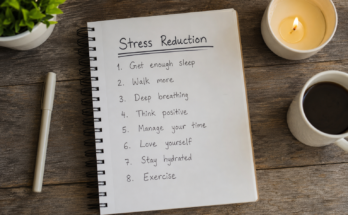
Stress is a normal part of life, but constant stress can make emotional challenges harder to manage. Learning healthy stress management techniques can improve emotional resilience.
Simple activities such as walking, stretching, deep breathing, reading, listening to relaxing music, or spending time outdoors can help calm the mind. Taking short breaks during a busy day can also prevent stress from becoming overwhelming.
It is important to choose healthy methods of dealing with stress instead of relying on harmful habits. Regular physical activity and relaxation can provide long term benefits for both emotional and physical health.
Build Strong Social Connections
Healthy relationships are one of the most valuable sources of emotional support. Spending time with trusted family members, friends, coworkers, or community members can help people feel understood and less alone.
Talking about problems with someone you trust can reduce emotional pressure. You do not always need someone to solve your problem. Sometimes simply being heard can make a difficult situation feel easier.
Building emotional resilience becomes easier when people have supportive relationships around them. Make time for meaningful conversations and maintain connections with people who encourage and respect you.
Develop a Positive Mindset
A positive mindset does not mean ignoring problems. It means learning to look for realistic hope and possible solutions even when circumstances are difficult.
When something goes wrong, try to avoid thinking that everything is hopeless. Instead, ask yourself what you can learn from the situation and what small step you can take next.
Positive self talk can also make a difference. Replace extremely negative thoughts with more balanced statements. Instead of saying, “I cannot handle this,” try saying, “This situation is difficult, but I can take it one step at a time.”
This approach can help build confidence and emotional strength.
Accept What You Cannot Control
Many people experience unnecessary stress because they spend too much energy worrying about things they cannot change. Emotional resilience involves understanding the difference between what you can control and what you cannot.
You may not be able to control another person’s behavior, unexpected events, or every outcome in life. However, you can often control your response, decisions, attitude, and daily actions.
Focusing on controllable factors can reduce anxiety and help you use your energy more effectively. When something is outside your control, accepting that reality can be healthier than constantly fighting against it.
Take Care of Your Physical Health
Physical health and emotional health are closely connected. Healthy lifestyle habits can support better mood, energy, concentration, and stress management.
Getting enough sleep is especially important. Poor sleep can make people more irritable, tired, and emotionally sensitive. Creating a regular sleep routine can support better emotional balance.
A healthy diet is also important. Eating a variety of nutritious foods can provide the body with the energy and nutrients it needs. Regular exercise can further support emotional wellbeing by helping reduce stress and improving overall fitness.
Taking care of your body is therefore an important part of building emotional resilience.
Practice Mindfulness
Mindfulness means paying attention to the present moment without judging your thoughts and feelings. It can be a useful way to reduce excessive worrying about the past or future.
You can practice mindfulness by sitting quietly and focusing on your breathing for a few minutes. You can also practice it while walking, eating, or completing everyday activities.
When difficult thoughts appear, notice them without immediately reacting. Remind yourself that thoughts and emotions can change over time. This simple practice can help create more space between an emotional reaction and your response.
Set Realistic Goals
Having goals can give life direction and motivation, but unrealistic expectations can create unnecessary pressure. Setting achievable goals can help build confidence and emotional resilience.
Break large goals into smaller steps. Celebrate progress instead of focusing only on the final result. If something does not go according to plan, adjust your approach instead of viewing the experience as complete failure.
Small achievements can create a sense of progress and remind you that difficult tasks can become manageable when approached gradually.
Learn From Difficult Experiences
Hard experiences can be painful, but they can also teach valuable lessons. Emotional resilience grows when people reflect on challenges and identify what they learned from them.
Think about how you handled previous difficult situations. What helped you get through them? What would you do differently next time? What strengths did you discover about yourself?
This type of reflection can increase self confidence and prepare you for future challenges.
Give Yourself Permission to Feel
Trying to suppress emotions can sometimes make them more difficult to manage. Healthy emotional resilience includes allowing yourself to experience difficult feelings.
It is normal to feel sad after a loss, nervous before an important event, frustrated when something goes wrong, or disappointed when expectations are not met.
Instead of judging yourself for having emotions, acknowledge them. You can say, “I am feeling stressed right now,” without believing that the feeling will last forever.
Accepting emotions can make it easier to respond to them in a healthy way.
Avoid Comparing Your Life With Others
Constant comparison can negatively affect emotional wellbeing. Social media can make this problem worse because people often share carefully selected parts of their lives.
Remember that you usually see only a small part of another person’s experience. Comparing your everyday struggles with someone else’s best moments can create unrealistic expectations.
Focus on your own progress, values, goals, and personal journey. Everyone experiences challenges that may not be visible to others.
Know When to Ask for Help
Building emotional resilience does not mean handling everything alone. Sometimes professional support can be an important part of emotional wellbeing.
If stress, sadness, anxiety, or other emotional difficulties begin interfering with daily activities, relationships, work, or sleep, consider speaking with a qualified mental health professional.
Asking for help is not a sign of weakness. It can be a healthy and responsible decision. Support from a professional can provide useful strategies for understanding emotions and managing difficult situations.
Create a Daily Resilience Routine
Emotional resilience develops through consistent habits rather than one major change. Creating a simple daily routine can make healthy emotional practices easier to maintain.
Start your day with a few minutes of quiet reflection. Eat nutritious meals, stay physically active, take breaks when needed, and spend time with supportive people. Before going to sleep, think about one positive thing from the day.
These small habits may seem simple, but they can gradually strengthen emotional wellbeing.
Conclusion
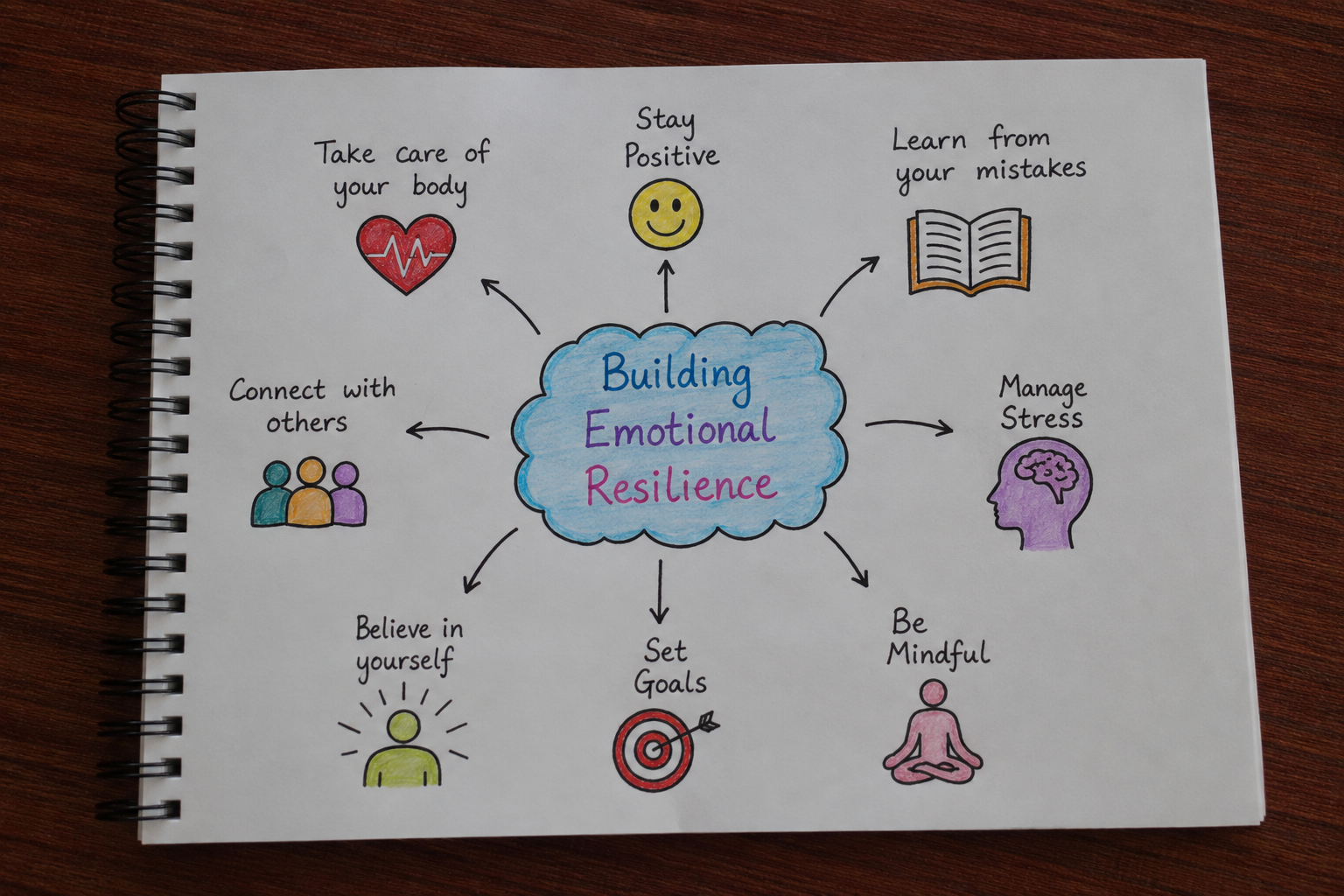
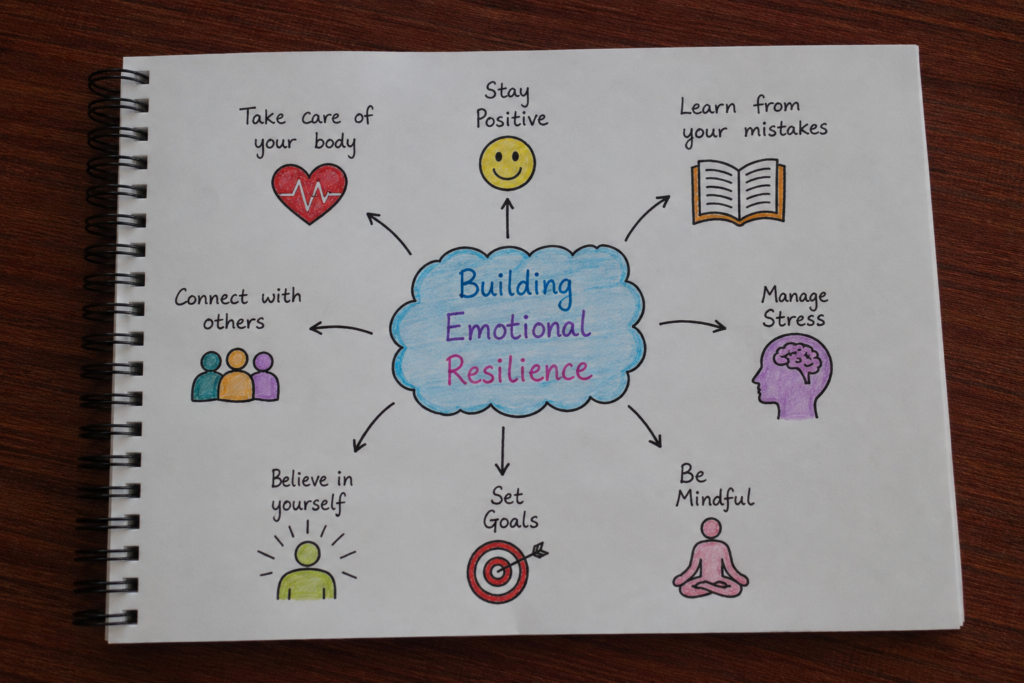
Healthy ways to build emotional resilience include practicing self awareness, managing stress, maintaining supportive relationships, developing realistic positive thinking, accepting what cannot be controlled, taking care of physical health, and asking for help when necessary.
Emotional resilience does not mean becoming unaffected by difficult experiences. It means developing the ability to experience challenges, understand your emotions, recover from setbacks, and continue moving forward.
Everyone faces difficult moments, but healthy habits can make those moments easier to manage. By taking small steps every day, you can strengthen emotional resilience and create a healthier approach to stress, change, and everyday life.
The goal is not to have a perfect life without problems. The goal is to become better prepared to face problems with patience, self awareness, confidence, and hope.