Technology has become an important part of modern healthcare and is changing the way people protect themselves from diseases. In the past, disease prevention mainly depended on regular doctor visits, medical tests, vaccinations, healthy eating, and personal hygiene. These methods are still important, but technology has made prevention faster, easier, and more accessible. From health apps and wearable devices to artificial intelligence and digital medical records, modern technology can help people understand health risks before they become serious problems.
Disease prevention is one of the most effective ways to improve public health. Preventing a disease is often easier and less expensive than treating it after it develops. Technology can support disease prevention by helping people monitor their health, identify warning signs, receive medical advice, follow healthy habits, and access important health information. As technology continues to develop, its role in preventive healthcare is expected to become even more important.
Health Apps Encourage Healthy Habits
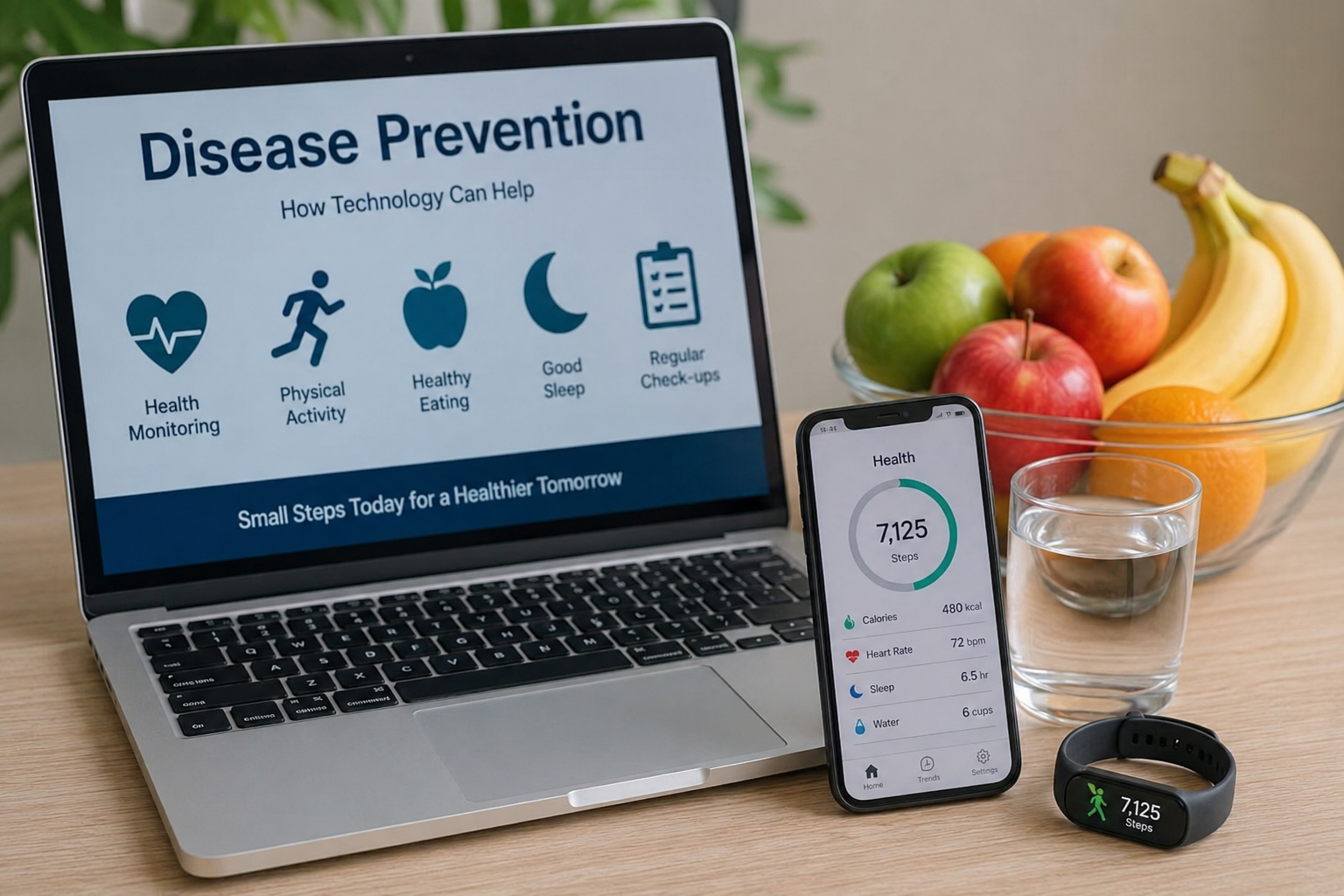
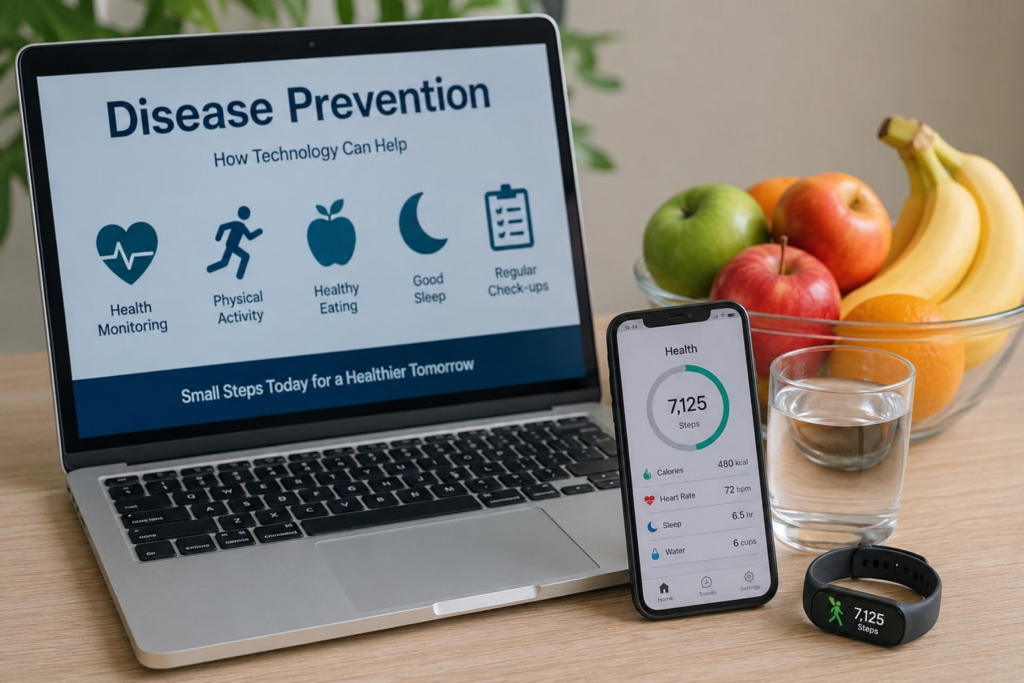
Health apps are one of the simplest examples of how technology can improve disease prevention. Many people now use smartphone applications to track physical activity, food intake, water consumption, sleep, and other daily habits. These apps can help users understand their lifestyle and identify areas that need improvement.
For example, a person who spends most of the day sitting can use a fitness app to receive reminders to move. Someone who does not drink enough water can receive regular reminders throughout the day. Food tracking apps can also help people understand their calorie intake and make better nutritional choices.
Healthy habits can reduce the risk of several common health problems. Regular physical activity, balanced nutrition, adequate sleep, and maintaining a healthy weight can support heart health and overall wellbeing. Technology makes it easier for people to monitor these habits and stay motivated.
Wearable Devices Support Disease Prevention
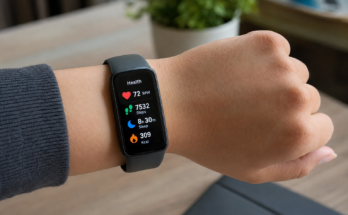
Wearable technology has also changed the way people monitor their health. Smartwatches and fitness trackers can collect information about physical activity, heart rate, sleep patterns, and other health related measurements.
These devices can provide useful information about changes in a person’s normal health patterns. For example, unusual changes in heart rate may encourage someone to speak with a healthcare professional. Sleep tracking can help people understand whether they are getting enough rest. Activity monitoring can encourage users to become more physically active.
Wearable devices cannot replace professional medical diagnosis, but they can provide valuable information that people can discuss with healthcare providers. This makes health monitoring more convenient and may help people pay greater attention to their health before a problem becomes serious.
Artificial Intelligence Can Identify Health Risks
Artificial intelligence is becoming an important tool in disease prevention. AI systems can analyze large amounts of medical information and identify patterns that may be difficult for humans to recognize quickly.
Healthcare professionals can use artificial intelligence to support the early identification of certain diseases. AI can help analyze medical images, laboratory results, patient histories, and other information. When used correctly, these systems may help doctors recognize possible health risks earlier.
Early detection can be extremely important because many diseases are easier to manage when they are discovered at an early stage. Technology can therefore support healthcare professionals by providing additional information and helping them make more informed decisions.
However, artificial intelligence should be used as a support tool rather than a replacement for qualified medical professionals. Human judgment, medical experience, and communication with patients remain essential.
Telemedicine Makes Preventive Care Easier
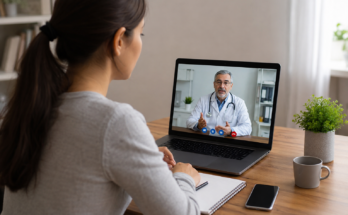
Telemedicine has made healthcare more accessible to many people. Through video calls, phone consultations, and online healthcare platforms, patients can communicate with medical professionals without always traveling to a clinic.
This can be especially useful for preventive healthcare. People may avoid visiting a doctor because of distance, transportation problems, busy schedules, or other difficulties. Online consultations can make it easier for them to discuss symptoms, ask health questions, and receive professional guidance.
Telemedicine can also support regular follow up care. Patients with ongoing health risks can communicate with healthcare providers and receive reminders about tests, medications, lifestyle changes, or other preventive measures.
Although telemedicine cannot replace every physical examination or medical procedure, it can make basic healthcare communication more convenient and accessible.
Digital Health Records Improve Medical Care
Electronic health records are another important technological development. Digital records allow healthcare professionals to store and access information about a patient’s medical history, medications, allergies, test results, and previous treatments.
Having accurate medical information available can help doctors make better decisions. It can also reduce the risk of missing important information when a patient visits different healthcare providers.
Digital health records can support disease prevention by helping healthcare professionals identify health risks over time. For example, repeated test results may reveal changes that require further attention. Doctors can use this information to recommend appropriate screening, lifestyle changes, or additional medical evaluation.
Technology Supports Vaccination Programs
Vaccination is one of the most effective methods of preventing infectious diseases, and technology can make vaccination programs more efficient. Digital systems can help healthcare organizations maintain vaccination records and send reminders when people are due for recommended vaccines.
Mobile applications and online health portals can also provide information about vaccination schedules and healthcare services. During disease outbreaks, digital communication can help public health organizations share important information with communities quickly.
Technology can also help researchers study infectious diseases and understand how they spread. This information can support better planning and faster public health responses.
Online Health Information Improves Awareness
The internet has made health information available to millions of people. People can learn about symptoms, risk factors, healthy habits, preventive screenings, and ways to reduce their risk of disease.
Reliable health information can encourage people to take preventive action. For example, someone may learn about the importance of regular health screenings or understand why controlling blood pressure is important.
However, not all information available online is reliable. False or misleading health claims can create confusion and sometimes cause harm. People should use trusted medical organizations, qualified healthcare professionals, and reliable health websites when searching for medical information.
Technology Helps Monitor Public Health
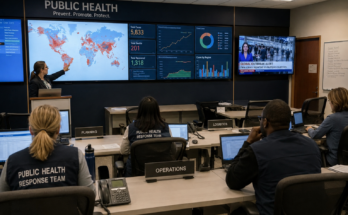
Technology is not only useful for individual disease prevention. It can also support public health organizations. Digital systems can collect and analyze information about diseases in communities.
Public health professionals can use data to identify disease patterns and understand where certain health problems are increasing. This can help authorities plan healthcare services, provide public education, and respond to outbreaks.
Data analysis can also help researchers study risk factors and develop better prevention strategies. When health information is collected responsibly and protected properly, technology can provide valuable insights for improving community health.
Personalized Disease Prevention
One of the biggest advantages of modern technology is the ability to provide more personalized health information. People have different lifestyles, medical histories, ages, and risk factors. Technology can help healthcare professionals consider these differences when developing prevention strategies.
For example, digital health systems can analyze a person’s health information and help identify areas that may require attention. Personalized reminders can encourage people to attend screenings, follow healthy habits, or maintain regular medical appointments.
Personalized healthcare does not mean that technology should make medical decisions without professional guidance. Instead, it can provide useful information that helps healthcare providers offer more suitable advice.
Technology Can Encourage Early Detection
Early detection is closely connected to disease prevention. Many health problems become more difficult to manage when they are discovered late. Technology can encourage people to monitor their health and seek professional advice when something changes.
Digital screening tools, wearable devices, health apps, and telemedicine can all make people more aware of their health. When combined with professional medical care, these technologies can support earlier action.
The goal is not to make people constantly worry about every small change in their body. Instead, technology should help people develop a balanced approach to health monitoring and encourage them to seek medical advice when appropriate.
Protecting Privacy Is Important
Although technology offers many benefits for disease prevention, privacy and security must remain important priorities. Health information is highly personal, and healthcare organizations must protect it from unauthorized access.
Technology companies and healthcare providers should use strong security systems and responsible data practices. People should also understand what information an application collects and how that information is used.
Trust is essential for digital healthcare. If people do not feel that their health information is safe, they may be less willing to use digital health services.
The Future of Technology and Disease Prevention
The future of disease prevention will likely involve even greater use of digital healthcare tools. Artificial intelligence, wearable devices, remote healthcare services, health monitoring systems, and advanced data analysis may become more integrated into everyday healthcare.
Technology may help healthcare providers identify risks earlier and create more personalized prevention strategies. At the same time, people may have more tools to understand their own health and make informed lifestyle choices.
However, technology works best when it supports healthy behavior and professional healthcare rather than replacing them. Regular medical checkups, nutritious food, physical activity, good sleep, vaccinations, hygiene, and responsible health decisions will remain important.
Conclusion
Technology can improve disease prevention by making health information, monitoring, medical support, and preventive care more accessible. Health apps can encourage healthy habits, wearable devices can track important health patterns, artificial intelligence can support early risk detection, and telemedicine can make healthcare communication easier.
Digital health records and public health technology can also improve the way healthcare professionals manage information and respond to health risks. At the same time, people must use technology carefully and rely on trusted medical guidance.
As technology continues to advance, disease prevention can become more personalized, convenient, and proactive. The most important goal is to use these innovations responsibly so that technology helps people recognize health risks earlier, make healthier choices, and build a stronger approach to long term health.