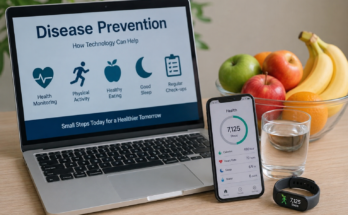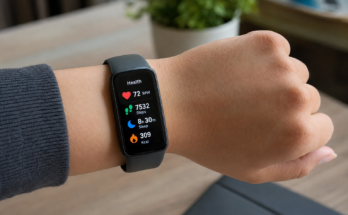
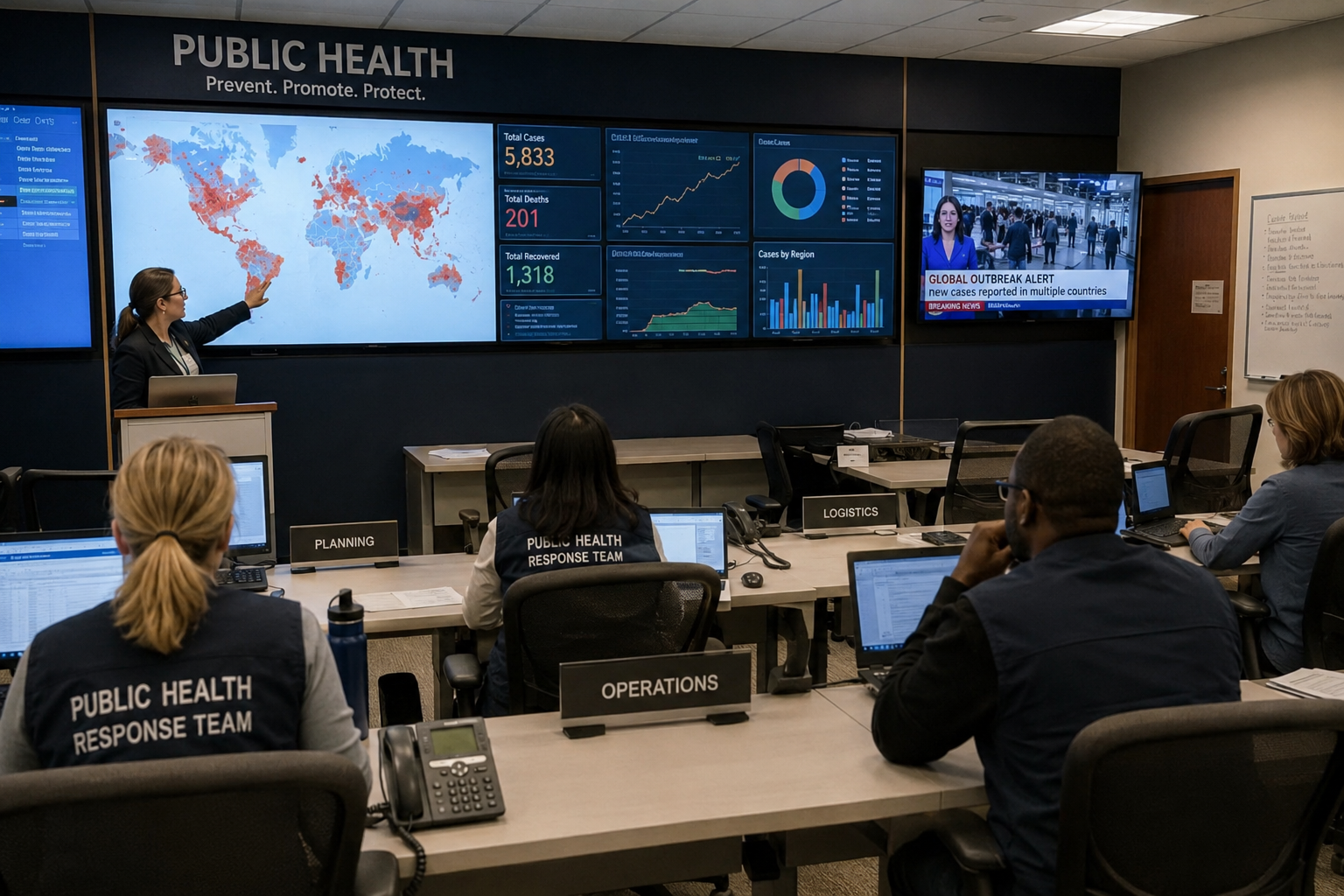
Public health systems play an important role in protecting communities from diseases, emergencies, and other health threats. Around the world, health authorities are learning that future health threats can appear quickly and affect millions of people. Infectious diseases, climate change, pollution, antibiotic resistance, natural disasters, and other emergencies can create serious pressure on healthcare services. Preparing for these challenges requires strong planning, modern technology, trained healthcare workers, reliable information, and cooperation between governments and communities.
The COVID 19 pandemic showed how quickly a health emergency can change everyday life. It also showed why public health preparedness is important. Countries that invest in disease prevention, emergency planning, healthcare infrastructure, and public communication are better prepared to respond when a new threat appears. Public health systems cannot predict every future problem, but they can build strong systems that are flexible enough to respond to different situations.
Understanding Future Health Threats
The first step in public health preparedness is understanding the threats that may affect communities in the future. New infectious diseases can emerge when viruses or bacteria move from animals to humans. Existing diseases can also spread to new regions because of travel, environmental changes, and changing weather patterns.
Climate change is another growing public health concern. Higher temperatures can increase the risk of heat related illnesses and may allow some insects to survive in areas where they were previously uncommon. Floods, storms, droughts, and other extreme weather events can damage hospitals, contaminate water supplies, and make it difficult for people to receive medical care.
Antibiotic resistance is also a major concern. When bacteria become resistant to commonly used medicines, infections can become harder to treat. Public health systems need to monitor these changes and encourage responsible use of antibiotics.
Strong Disease Surveillance
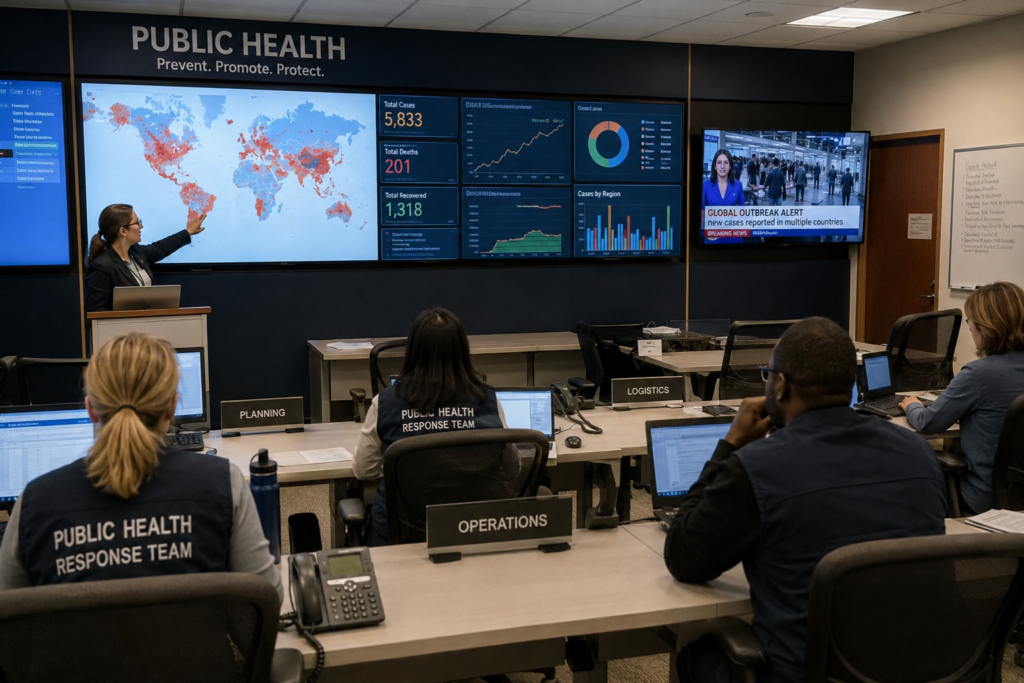
Disease surveillance is one of the most important parts of public health preparedness. Health authorities need reliable systems that can identify unusual increases in illness as early as possible. Early detection gives medical professionals more time to investigate a problem and reduce its spread.
Modern surveillance can collect information from hospitals, laboratories, clinics, pharmacies, and other healthcare facilities. Digital systems can help health authorities analyze large amounts of information more quickly. When unusual patterns appear, experts can investigate whether they are connected to a new outbreak.
Wastewater monitoring is another useful method for tracking certain infections. By studying samples from wastewater systems, health experts may identify signs of disease in a community before many people seek medical treatment. These methods can provide valuable information for public health planning.
Investing in Healthcare Infrastructure
Strong healthcare infrastructure is essential during a health emergency. Hospitals need enough beds, medical equipment, laboratory facilities, protective supplies, and trained workers to manage sudden increases in patients.
Public health systems also need reliable laboratories that can test samples quickly. Fast laboratory testing can help identify infectious diseases and determine how they are spreading. This information allows health officials to make better decisions about prevention and treatment.
Emergency supplies are equally important. Governments and healthcare organizations can maintain strategic supplies of essential medicines, protective equipment, testing materials, and other medical resources. Having these supplies available can reduce delays during an emergency.
Training Healthcare Workers
Healthcare workers are at the center of every effective public health response. Doctors, nurses, laboratory workers, emergency responders, public health specialists, and community health workers need regular training so they can respond effectively to new threats.
Training can include infection prevention, emergency response, disease investigation, laboratory procedures, patient communication, and the use of protective equipment. Regular emergency exercises can also help healthcare teams understand their responsibilities before a real crisis occurs.
Public health systems should also focus on protecting healthcare workers. During a major outbreak, healthcare professionals may face long working hours, difficult conditions, and increased exposure to disease. Supporting their safety and wellbeing helps maintain a strong healthcare workforce during emergencies.
Using Technology for Public Health Preparedness
Technology is changing the way public health systems prepare for future health threats. Artificial intelligence can help researchers and health authorities analyze large amounts of health information and identify patterns that may require further investigation.
Digital health records can improve information sharing between healthcare providers. Telemedicine can help patients receive medical advice without always visiting a healthcare facility. This can be especially useful during outbreaks when reducing unnecessary contact may help limit disease transmission.
Mobile applications and digital communication systems can also support public health campaigns. Authorities can use these tools to provide information about symptoms, prevention, vaccination programs, and emergency services.
However, technology must be used responsibly. Health information should be protected, and public health systems need strong cybersecurity measures to prevent unauthorized access or misuse of sensitive information.
Improving Vaccination Programs
Vaccination remains one of the most effective tools for preventing many infectious diseases. Public health systems need strong vaccination programs that can reach children, adults, older people, and vulnerable communities.
Preparedness includes maintaining vaccine supplies, improving distribution systems, training healthcare workers, and communicating clearly about vaccine safety and effectiveness. During a new outbreak, the ability to distribute vaccines quickly can reduce illness and protect communities.
Public trust is also important. People need accurate and understandable information about vaccines. Public health organizations should respond to concerns respectfully and provide evidence based information through trusted healthcare professionals and reliable communication channels.
Building Strong Emergency Response Plans
Every public health system needs clear emergency response plans. These plans should explain how different organizations will work together during an outbreak, natural disaster, or other health emergency.
Emergency planning should include hospitals, laboratories, government agencies, emergency services, schools, businesses, community organizations, and local leaders. Regular exercises can help identify weaknesses in the system before an actual emergency occurs.
Plans should also be flexible. A future health threat may not look exactly like a previous emergency. Public health authorities need the ability to adapt their strategies as new information becomes available.
Strengthening Community Education
Communities are an important part of public health preparedness. People who understand basic health information are more likely to take appropriate steps during an emergency.
Public health organizations can educate communities about hand hygiene, vaccination, safe food practices, disease symptoms, environmental risks, and when to seek medical care. Education should be simple, practical, and available in languages that local communities understand.
Community leaders can help make health messages more effective because people may trust information more when it comes from familiar and respected sources. Schools, workplaces, religious organizations, and community groups can also support public health education.
Fighting Misinformation
Misinformation can make a health emergency more difficult to control. False claims about diseases, treatments, vaccines, or prevention methods can cause confusion and reduce public trust.
Public health systems need communication strategies that provide accurate information quickly. Officials should explain what is known, what is still being investigated, and what people can do to protect themselves.
Clear communication is especially important during uncertain situations. If people understand why recommendations may change as new evidence appears, they may be more willing to follow updated guidance.
International Cooperation
Health threats do not respect national borders. A disease that begins in one region can travel to another country through international movement. This makes cooperation between countries an important part of global health security.
Governments and international health organizations can share disease surveillance information, scientific research, laboratory findings, and emergency response experiences. Cooperation can help countries identify threats earlier and develop better responses.
Research partnerships can also support the development of new vaccines, treatments, diagnostic tests, and public health technologies. Sharing knowledge can make global preparedness stronger.
Preparing for Climate Related Health Risks
Future public health planning must also consider environmental changes. Extreme heat can increase the risk of dehydration and heat related illness. Flooding can affect drinking water and sanitation systems. Changes in temperature and rainfall can influence the spread of some infectious diseases.
Public health systems can prepare by developing heat warning programs, improving emergency shelters, protecting water supplies, and educating communities about environmental health risks. Cities can also work with environmental and planning authorities to create healthier communities.
The Importance of Long Term Investment
Public health preparedness requires long term investment. Building laboratories, training workers, improving hospitals, developing digital systems, and maintaining emergency supplies all require resources.
It can be difficult to invest in preparedness when there is no immediate crisis. However, preparation before an emergency can reduce the health and economic damage caused by future threats. Strong public health systems are not only important during emergencies. They also support everyday disease prevention and healthier communities.
Conclusion
Public health systems prepare for future health threats by focusing on prevention, early detection, strong healthcare infrastructure, trained workers, modern technology, vaccination, emergency planning, community education, and international cooperation. Future health challenges may be different from those experienced in the past, but strong preparation can help communities respond more effectively.
The goal of public health preparedness is not simply to react when a crisis begins. It is to build systems that can identify risks early, respond quickly, protect vulnerable people, and recover after an emergency. By investing in public health today, governments and communities can create a safer and healthier future for everyone.