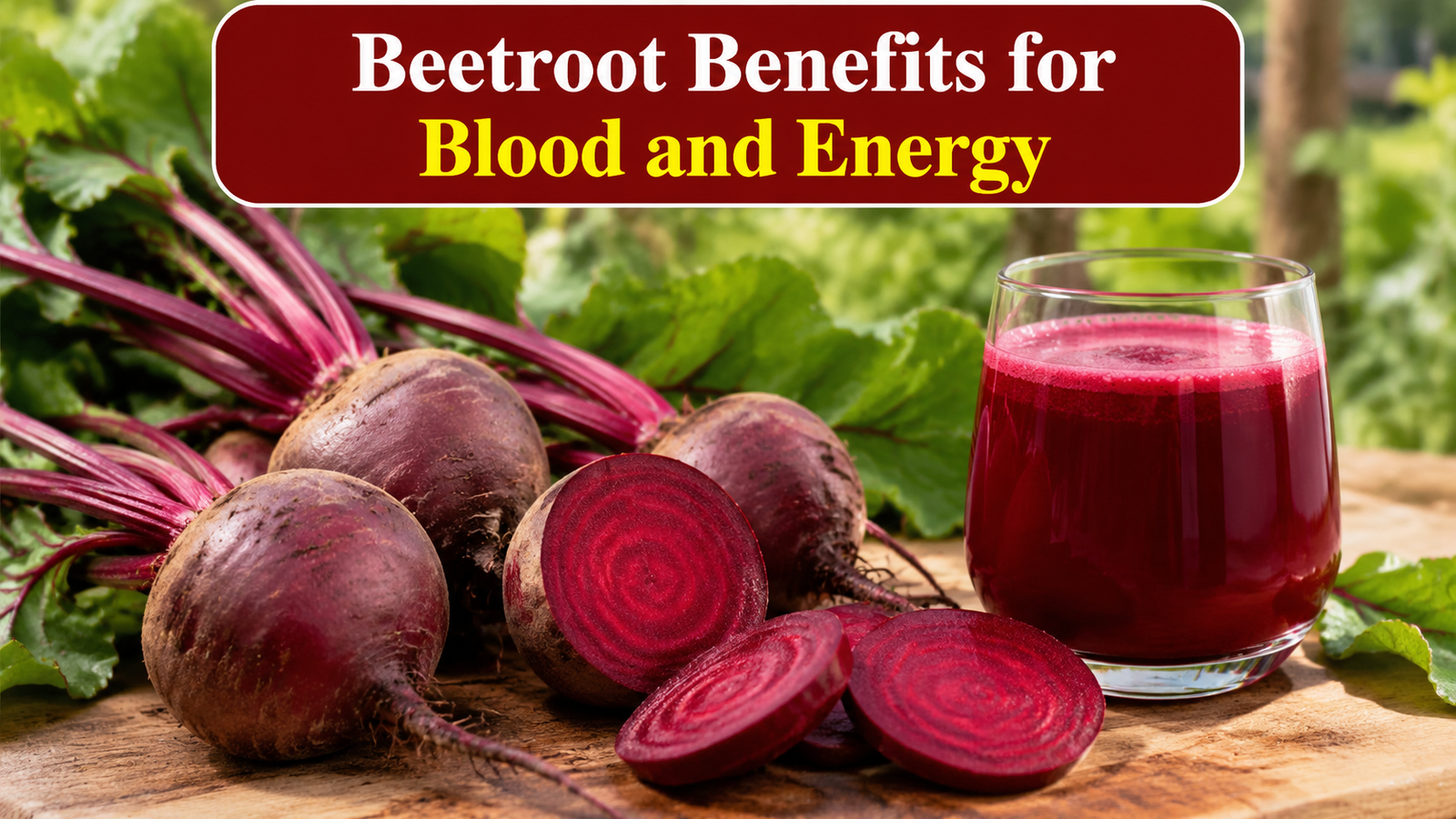
Beetroot is one of the most colorful and nutritious vegetables found in nature. Its deep red color, sweet taste, and powerful nutrients make it a valuable addition to a healthy diet. For centuries, people have used beetroot not only as a food but also as a natural source of strength and wellness. Today, modern research has shown that beetroot benefits the body in many ways, especially when it comes to blood health, energy levels, heart function, and overall fitness.
Many people search for natural foods that can help them feel more active and maintain good health. Beetroot is often recommended because it contains important vitamins, minerals, antioxidants, and natural compounds that support the body. Whether eaten raw, cooked, or added to juice, beetroot can provide essential nutrients that help the body work efficiently.
In this article, we will explore the major beetroot benefits for blood and energy, its nutritional value, and why adding this vegetable to your daily meals can support a healthier lifestyle.
Nutritional Value of Beetroot
Beetroot is a low calorie vegetable packed with essential nutrients. It contains carbohydrates that provide energy, fiber that supports digestion, and several important vitamins and minerals.
A typical serving of beetroot provides:
Vitamin C for immune support
Folate for healthy blood cell production
Potassium for muscle and heart function
Iron for oxygen transport in the body
Manganese for metabolism and antioxidant protection
Dietary fiber for better digestion
Natural plant compounds called nitrates that support blood circulation
The combination of these nutrients makes beetroot a powerful food for maintaining energy and supporting overall health.
Beetroot Supports Healthy Blood Production
One of the most popular reasons people consume beetroot is its connection with blood health. Beetroot contains iron and folate, two nutrients that play an important role in the formation of healthy red blood cells.
Red blood cells are responsible for carrying oxygen throughout the body. When the body has enough healthy red blood cells, organs and muscles receive the oxygen they need to function properly.
Folate in beetroot helps the body produce new cells, including blood cells. Iron supports the production of hemoglobin, a protein inside red blood cells that carries oxygen.
Although beetroot alone cannot treat blood disorders, including it as part of a balanced diet can help provide nutrients needed for normal blood function.
Beetroot and Better Oxygen Supply
One of the unique benefits of beetroot comes from its natural nitrate content. When the body consumes nitrates from foods like beetroot, they can be converted into nitric oxide.
Nitric oxide helps relax blood vessels and improves blood flow. Better circulation allows oxygen and nutrients to move more efficiently throughout the body.
This is especially important for people who exercise regularly. Many athletes consume beetroot because improved oxygen delivery may support better physical performance and endurance.
A healthy blood flow system helps the body feel more active and reduces the feeling of tiredness during physical activities.
Beetroot Can Increase Energy Levels Naturally
Many people depend on sugary drinks or caffeine to feel energetic. However, natural foods like beetroot can also support energy in a healthier way.
Beetroot contains natural carbohydrates that provide fuel for the body. Unlike processed sugary foods, beetroot also provides fiber, vitamins, and minerals that support long lasting energy.
The nitrates present in beetroot may help muscles use oxygen more efficiently. This can help people feel less tired during exercise and daily activities.
Adding beetroot to meals can be a simple way to support natural energy without relying on artificial stimulants.
Beetroot Benefits for Exercise and Fitness
Beetroot has become popular among athletes and fitness enthusiasts because of its possible effects on exercise performance.
When nitric oxide levels increase, blood vessels may work more efficiently. This can improve blood flow to muscles and help muscles receive oxygen during physical activity.
Some people consume beetroot juice before workouts because it may support endurance and reduce exercise fatigue.
For those who enjoy walking, running, cycling, or gym workouts, beetroot can be a nutritious addition to a fitness focused diet.
However, a healthy lifestyle should always include balanced meals, proper hydration, and regular exercise.
Beetroot Supports Heart Health
A healthy heart depends on good circulation and balanced blood pressure. Beetroot contains nutrients that may support cardiovascular health.
The natural nitrates in beetroot can help improve blood vessel function. Better blood vessel relaxation allows blood to move more easily through the body.
Beetroot is also rich in potassium, which plays an important role in maintaining normal heart function.
A diet that includes vegetables like beetroot, along with fruits, whole grains, and healthy proteins, can contribute to long term heart wellness.
Beetroot Helps Improve Digestion
Good digestion is important for energy and overall health. Beetroot contains dietary fiber, which supports a healthy digestive system.
Fiber helps improve bowel movement and supports the growth of beneficial bacteria in the gut. A healthy gut can improve nutrient absorption and help the body use food more effectively.
People who include fiber rich foods like beetroot in their diet may experience better digestive comfort.
Drinking enough water along with eating fiber rich foods is also important for maintaining healthy digestion.
Beetroot Provides Antioxidant Protection
The bright red color of beetroot comes from natural pigments called betalains. These compounds act as antioxidants in the body.
Antioxidants help protect cells from damage caused by unstable molecules called free radicals.
Everyday factors such as pollution, stress, and unhealthy eating habits can increase oxidative stress in the body. Eating antioxidant rich foods like beetroot can help support the body’s natural defense system.
A diet rich in colorful vegetables provides different types of protective nutrients that contribute to better health.
Beetroot Benefits for Brain Health
Healthy blood circulation is important for brain function. Since beetroot supports blood flow, it may also support brain health.
The brain requires a constant supply of oxygen and nutrients to work properly. Improved circulation can help maintain efficient communication between brain cells.
Eating nutrient rich foods like beetroot, along with staying physically active and mentally engaged, can support overall brain wellness.
How to Add Beetroot to Your Daily Diet
There are many simple ways to enjoy beetroot. Some people prefer eating it raw, while others enjoy it cooked or blended into drinks.
Popular ways to consume beetroot include:
Fresh beetroot salad with vegetables
Beetroot juice with other fruits
Cooked beetroot as a side dish
Beetroot soup
Adding grated beetroot to healthy recipes
When preparing beetroot, avoid adding excessive sugar or unhealthy ingredients. The natural sweetness of beetroot already makes it enjoyable.
Best Time to Consume Beetroot
There is no strict rule about the best time to eat beetroot. Many people enjoy it during breakfast or before physical activity.
For exercise purposes, some people consume beetroot juice before workouts to support energy and endurance.
Others prefer including beetroot with lunch or dinner as part of a balanced meal.
The most important thing is consistency. Regularly eating nutritious foods is more beneficial than focusing only on timing.
Possible Side Effects of Eating Beetroot
Beetroot is generally safe for most people when eaten as part of a normal diet. However, some people may notice changes after consuming it.
One common effect is a harmless red or pink color in urine or stool. This happens because of the natural pigments in beetroot.
People with certain health conditions, such as kidney stone concerns, may need to discuss their diet with a healthcare professional before increasing beetroot intake.
As with any food, moderation and balance are important.
Beetroot Juice vs Whole Beetroot
Both beetroot juice and whole beetroot have benefits, but they are slightly different.
Whole beetroot contains fiber, which supports digestion and helps slow down the absorption of natural sugars.
Beetroot juice provides a concentrated amount of nutrients and may be easier to consume before exercise.
For daily health, eating whole beetroot along with other vegetables is often a good choice because it provides complete nutrition.
Why Beetroot Is Considered a Super Vegetable
Beetroot earns its reputation as a super vegetable because it provides many important benefits in one natural food.
It supports blood health, improves circulation, provides energy, supports digestion, and delivers antioxidants. Its combination of nutrients makes it useful for people of different ages and lifestyles.
Healthy eating is not about one single food solving every problem. It is about including a variety of nutritious foods that work together to support the body.
Beetroot is a simple, affordable, and delicious vegetable that can become a valuable part of a healthy lifestyle.
Final Thoughts on Beetroot Benefits for Blood and Energy
Beetroot is more than just a colorful vegetable. It is a nutrient rich food that supports blood health, natural energy, heart function, digestion, and overall wellness.
Its iron, folate, fiber, antioxidants, and natural nitrates make it a powerful addition to a balanced diet. Whether you enjoy it as a salad, juice, soup, or cooked vegetable, beetroot can provide valuable nutrients that help your body stay strong.
A healthy lifestyle is built through small daily choices. Adding vegetables like beetroot to your meals is one simple step toward better nutrition, improved energy, and long term health.