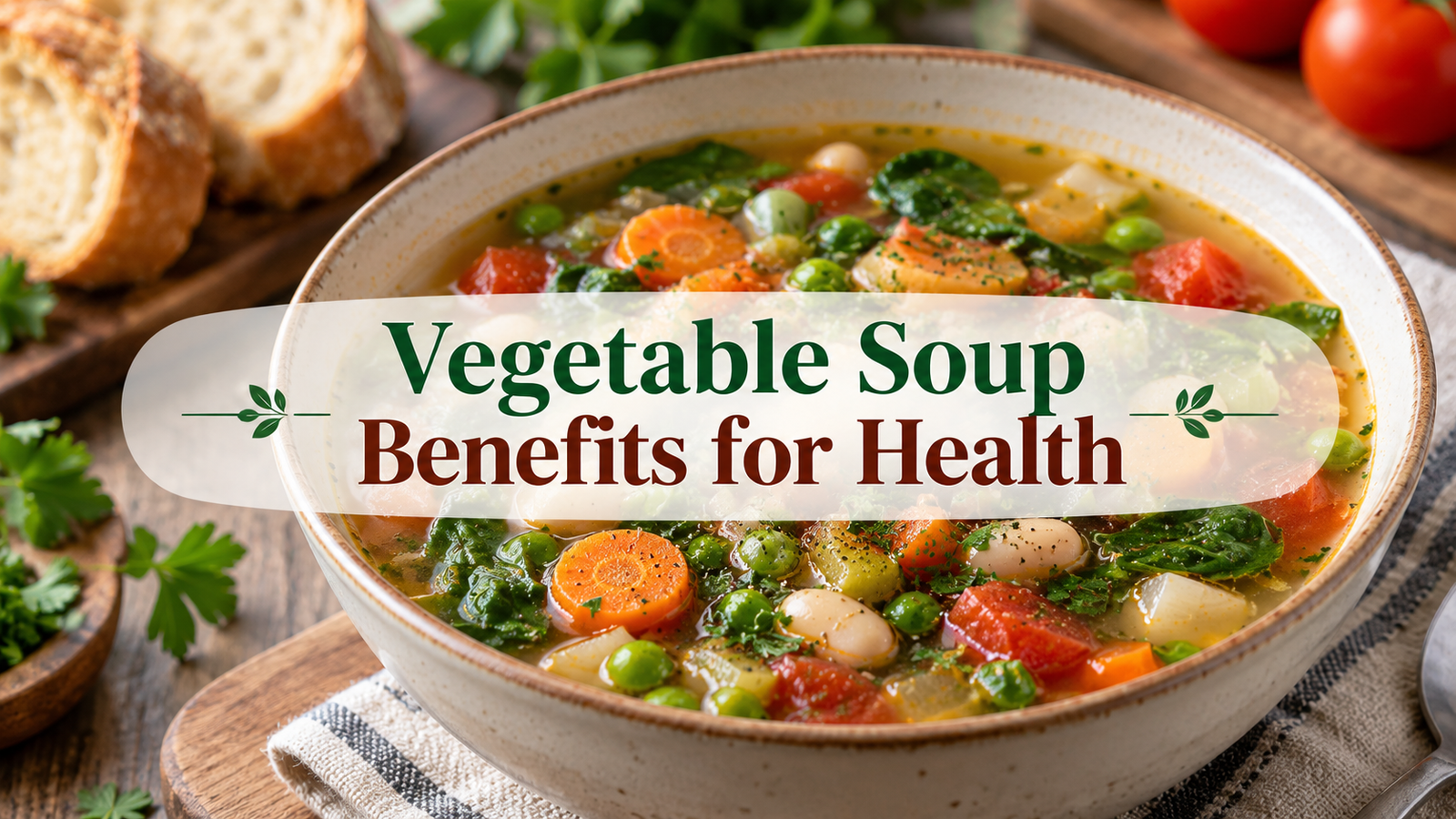
Vegetable soup is one of the simplest and most nourishing foods that people around the world enjoy. Made with fresh vegetables, herbs, spices, and a healthy liquid base, vegetable soup provides a delicious way to add essential nutrients to your daily meals. Many people consider soup a comfort food, but it is much more than that. A well prepared vegetable soup can support overall health, improve digestion, provide energy, and help maintain a balanced lifestyle.
In today’s busy routine, many people struggle to eat enough vegetables every day. Vegetable soup offers an easy solution because it combines different vegetables in one meal. Carrots, spinach, tomatoes, beans, peas, broccoli, onions, and other vegetables can be added according to personal taste and seasonal availability. This combination creates a meal rich in vitamins, minerals, fiber, and antioxidants.
The health benefits of vegetable soup come from the natural nutrients present in vegetables. Regular consumption of vegetable soup can support the immune system, promote healthy digestion, help with weight management, and provide hydration. It is suitable for people of different ages because it is light, easy to digest, and can be prepared in many healthy ways.
Rich Source of Essential Nutrients
One of the biggest vegetable soup benefits for health is that it provides a wide range of essential nutrients. Vegetables contain important vitamins such as vitamin A, vitamin C, vitamin K, and several B vitamins. These nutrients play different roles in maintaining body functions.
For example, carrots are rich in beta carotene, which the body converts into vitamin A. Vitamin A supports healthy vision, skin, and immune function. Tomatoes contain lycopene, a powerful antioxidant that helps protect cells from damage. Leafy vegetables such as spinach provide iron, calcium, and magnesium, which are important for blood health and strong bones.
When different vegetables are combined in a soup, the body receives a variety of nutrients in one simple meal. This makes vegetable soup a convenient option for people who want to improve their daily nutrition.
Supports a Healthy Immune System
A strong immune system helps the body fight against common illnesses and infections. Vegetable soup can support immunity because many vegetables contain antioxidants and vitamins that help protect the body.
Vitamin C rich vegetables such as tomatoes, bell peppers, and leafy greens support immune function. Antioxidants found in vegetables help reduce oxidative stress caused by harmful free radicals. A diet rich in colorful vegetables can contribute to better overall health and natural body defense.
Warm vegetable soup is also popular during cold weather because it provides comfort and nourishment. The combination of warm liquid, nutrients, and hydration makes it a beneficial meal when the body needs extra care.
Improves Digestion Naturally
Good digestion is important for overall well being, and vegetable soup can support a healthy digestive system. Most vegetables are naturally high in dietary fiber, which helps maintain regular bowel movements and supports gut health.
Fiber adds bulk to food and helps the digestive system work properly. Vegetables such as carrots, peas, beans, and broccoli provide both soluble and insoluble fiber. Soluble fiber supports healthy gut bacteria, while insoluble fiber helps food move smoothly through the digestive tract.
For people who find it difficult to eat raw vegetables regularly, vegetable soup can be an easier and more comfortable way to increase fiber intake. The cooking process makes vegetables softer and easier to digest while keeping many of their valuable nutrients.
Helps With Weight Management
Vegetable soup is a great choice for people who want to maintain a healthy weight. It is naturally low in calories but high in nutrients, which helps create a feeling of fullness without excessive calorie intake.
The high water content of soup helps increase volume, making you feel satisfied after eating. When people feel full for longer, they are less likely to overeat unhealthy snacks or large portions of high calorie foods.
Including vegetable soup before a main meal can help control appetite. A healthy bowl of soup with vegetables, herbs, and moderate seasoning can become part of a balanced weight management plan.
Keeps the Body Hydrated
Hydration is essential for every function of the human body. Water supports digestion, circulation, temperature control, and many other processes. Vegetable soup contributes to daily fluid intake because it contains a significant amount of water.
Many people do not drink enough fluids during the day. Eating foods with high water content, such as soups and vegetables, can help support hydration. This is especially useful during colder months when people may not feel as thirsty but still need enough fluids.
Supports Heart Health
A healthy diet plays an important role in maintaining heart health. Vegetable soup can support cardiovascular wellness because vegetables contain nutrients and compounds that are beneficial for the heart.
Vegetables are naturally low in unhealthy fats and provide potassium, fiber, and antioxidants. Potassium helps maintain healthy blood pressure levels, while fiber can support healthy cholesterol levels.
Using fresh vegetables and avoiding excessive salt when preparing soup makes it a heart friendly meal. Adding ingredients like spinach, tomatoes, beans, and carrots can increase the nutritional value of the soup.
Provides Natural Energy
Many people think energy comes only from high calorie foods, but nutrient rich foods also play an important role in maintaining energy levels. Vegetable soup provides carbohydrates, vitamins, and minerals that support the body’s natural energy production.
Vegetables contain complex carbohydrates that provide steady energy instead of a quick rise and fall in blood sugar levels. Minerals such as magnesium and iron also contribute to normal energy metabolism.
A bowl of vegetable soup can be a good lunch or dinner option for people who want a light meal that still provides nourishment.
Good Food Choice During Recovery
Vegetable soup has traditionally been considered a helpful food during recovery from illness. Its soft texture, warm temperature, and nutrient content make it easier to consume when appetite is low.
The vitamins and minerals in vegetables support the body’s normal healing processes. The liquid content also helps maintain hydration. Adding ingredients like ginger, garlic, and herbs can improve flavor while providing additional natural compounds.
Although vegetable soup does not replace medical treatment, it can be a supportive part of a healthy recovery diet.
Improves Skin Health
Healthy skin depends on proper nutrition, hydration, and protection from damage. Vegetable soup can contribute to better skin health because vegetables provide antioxidants and vitamins that support skin function.
Vitamin C helps the body produce collagen, a protein that keeps skin strong and healthy. Vitamin A supports skin renewal, while antioxidants help protect skin cells from environmental stress.
Eating a variety of vegetables through meals like soup is a simple way to support natural skin health from within.
Easy Way to Increase Vegetable Intake
Many people know they should eat more vegetables but find it difficult to include them in daily meals. Vegetable soup makes this easier because many different vegetables can be combined together.
A single bowl can contain several servings of vegetables depending on the recipe. This makes soup a practical option for families, children, and adults who want to improve their eating habits.
Vegetable soup can also be customized according to personal preferences. Some people prefer a simple clear soup, while others enjoy a thicker soup with beans, lentils, or whole grains.
Vegetable Soup for Different Age Groups
One of the advantages of vegetable soup is that it can be enjoyed by people of all ages. Children can benefit from the nutrients in vegetables, especially when soup is prepared with familiar flavors. Older adults may find soup easier to chew and digest compared to some solid foods.
For active adults, vegetable soup provides a light but nutritious meal. For families, it offers an affordable way to include more healthy ingredients in everyday cooking.
How to Make Vegetable Soup Healthier
The health value of vegetable soup depends on the ingredients and preparation method. Using fresh vegetables, natural herbs, and moderate seasoning creates a healthier meal.
Avoid adding excessive salt, processed sauces, or large amounts of unhealthy fats. Instead, use ingredients like garlic, ginger, black pepper, parsley, and other herbs to enhance flavor naturally.
Adding protein sources such as beans, lentils, or small amounts of lean chicken can make vegetable soup more filling and balanced.
Best Time to Eat Vegetable Soup
Vegetable soup can be enjoyed at different times of the day. Many people prefer it as a light dinner because it is satisfying without feeling heavy. It can also be eaten as a healthy lunch option or as a starter before the main meal.
During winter, warm vegetable soup can provide comfort and nourishment. During warmer months, lighter versions of soup can still be enjoyed for their nutritional benefits.
Final Thoughts on Vegetable Soup Benefits for Health
Vegetable soup is a simple, affordable, and nutritious food that can support a healthy lifestyle. From improving digestion and supporting immunity to helping with weight management and hydration, the benefits of vegetable soup make it a valuable addition to daily meals.
The best part about vegetable soup is its flexibility. You can prepare it with different vegetables, flavors, and ingredients according to your needs. A bowl of homemade vegetable soup is not only delicious but also a practical way to provide your body with important nutrients.
Making vegetable soup a regular part of your diet can help you move toward healthier eating habits. With fresh ingredients and balanced preparation, this traditional meal can become a powerful choice for long term health and wellness.