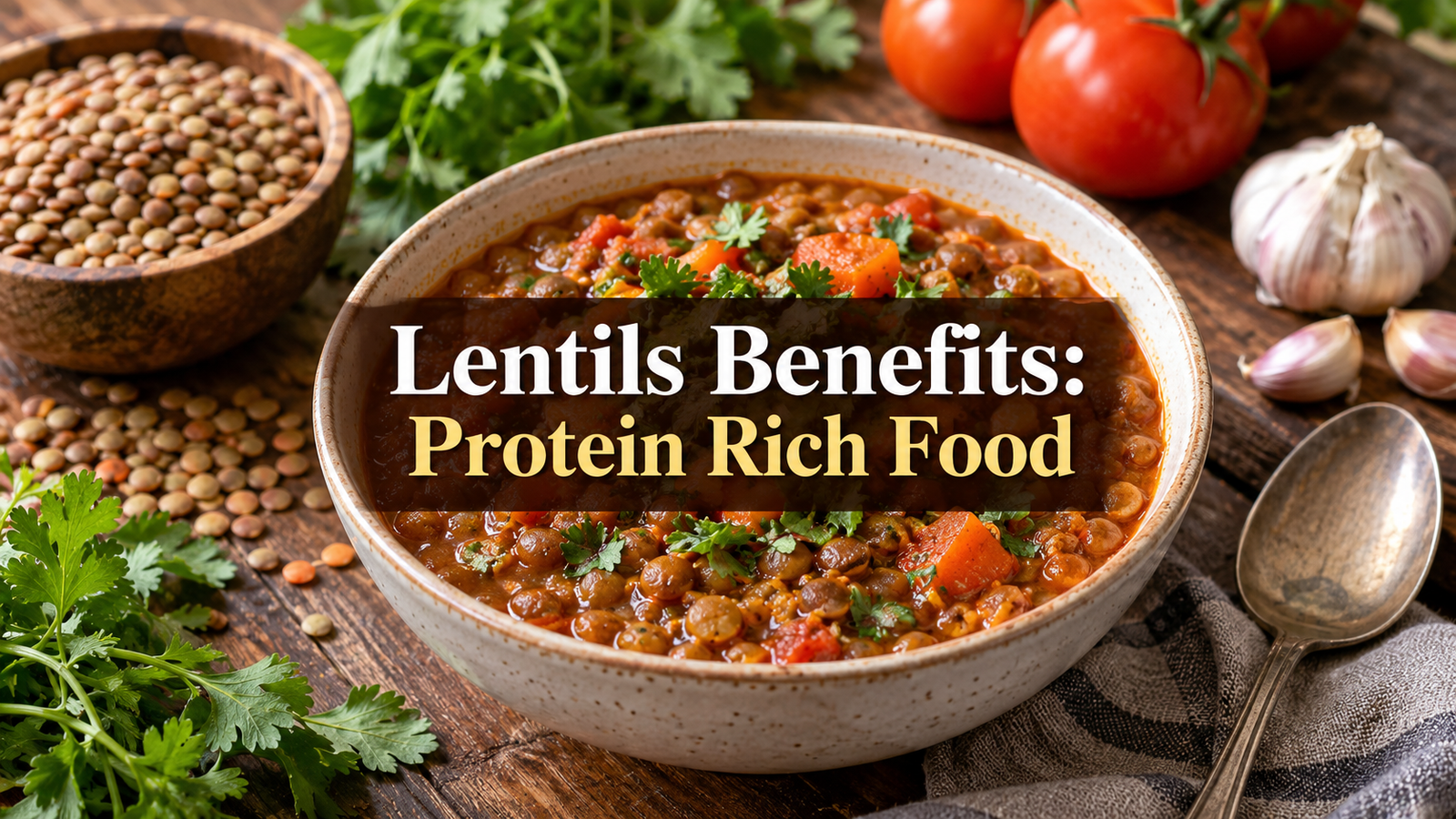
Lentils are one of the oldest and most nutritious foods enjoyed by people around the world. These small but powerful legumes have been part of human diets for thousands of years because they are affordable, easy to cook, and packed with essential nutrients. Today, lentils are becoming more popular among health conscious people because of their high protein content, fiber, vitamins, and minerals. Whether you are looking for a healthy plant based protein source, a food for better digestion, or a simple ingredient for balanced meals, lentils can be an excellent choice.
Lentils benefits go beyond basic nutrition. They support heart health, help maintain healthy digestion, provide long lasting energy, and can be included in many different diets. From traditional soups and curries to modern salads and healthy bowls, lentils are a versatile food that can improve the quality of your daily meals.
What Are Lentils?
Lentils are small, round seeds that belong to the legume family. They come in different colors and varieties, including green lentils, brown lentils, red lentils, black lentils, and yellow lentils. Each type has a slightly different taste and cooking method, but all varieties provide important health benefits.
Unlike many other protein sources, lentils are naturally low in fat and contain no cholesterol. They are especially valuable for people who want to add more plant based foods to their diet without spending a lot of money. A single serving of lentils can provide a good amount of protein, making them an important food for vegetarians and anyone trying to reduce their dependence on animal products.
Lentils Are a Powerful Source of Protein
One of the biggest lentils benefits is their high protein content. Protein is an essential nutrient that helps build and repair body tissues, supports muscle growth, and keeps the immune system strong. Many people think protein only comes from meat, eggs, or dairy products, but lentils prove that plant foods can also provide significant amounts of protein.
A cup of cooked lentils contains a considerable amount of protein, making them a valuable addition to everyday meals. For people who exercise regularly or want to maintain muscle strength, lentils can support their nutritional needs when combined with other healthy foods.
Lentils contain essential amino acids, although they are not considered a complete protein on their own. Combining lentils with grains such as rice, whole wheat bread, or quinoa creates a more balanced protein profile. This traditional combination is common in many cultures and provides a nutritious and satisfying meal.
Supports Healthy Digestion
Good digestion is important for overall health, and lentils can play a helpful role because they are rich in dietary fiber. Fiber helps food move smoothly through the digestive system and supports regular bowel movements.
People who struggle with constipation may benefit from adding fiber rich foods like lentils to their meals. The fiber in lentils also supports healthy gut bacteria, which are important for maintaining digestive balance.
Unlike processed foods that may provide calories without enough nutrients, lentils offer a combination of protein and fiber that helps the digestive system work efficiently. Eating lentils regularly as part of a balanced diet can contribute to better gut health.
Helps Maintain Heart Health
Heart health is closely connected with diet, and lentils are considered a heart friendly food. They contain fiber, potassium, magnesium, and plant compounds that support cardiovascular wellness.
The soluble fiber found in lentils may help manage cholesterol levels by reducing the absorption of cholesterol in the digestive system. Maintaining healthy cholesterol levels is an important part of protecting the heart.
Lentils are also naturally low in saturated fat, which makes them a better choice compared with many high fat foods. Replacing some less healthy protein sources with lentils can support a balanced eating pattern that benefits heart health.
Provides Long Lasting Energy
Many people experience energy changes throughout the day because of their food choices. Foods that are high in refined carbohydrates may provide quick energy but can lead to sudden drops later. Lentils provide a combination of complex carbohydrates, protein, and fiber that helps release energy slowly.
This slow release of energy can help you stay active and focused for longer periods. Students, professionals, and people with busy routines can benefit from including lentils in their meals.
A bowl of lentil soup, lentil curry, or lentil salad can be a satisfying meal that keeps hunger away and provides steady fuel for the body.
Helps With Weight Management
For people trying to maintain a healthy weight, lentils can be a useful food choice. Their high fiber and protein content helps increase feelings of fullness, which may reduce unnecessary snacking.
When you feel satisfied after meals, it becomes easier to maintain healthy eating habits. Lentils provide important nutrients without adding excessive calories or unhealthy fats.
Weight management is not only about eating less food but about choosing foods that provide better nutrition. Lentils are a great example of a nutrient dense food that supports a balanced diet.
Rich in Vitamins and Minerals
Lentils are not only known for protein and fiber. They also contain many important vitamins and minerals that support different functions in the body.
They provide folate, iron, potassium, magnesium, zinc, and several B vitamins. Folate is especially important for cell growth and development, while iron supports the production of healthy red blood cells.
People who do not consume much meat may need to pay attention to plant based iron sources, and lentils can be a valuable option. Eating lentils with foods rich in vitamin C, such as tomatoes or citrus fruits, may help improve iron absorption.
Lentils Support Blood Sugar Control
Maintaining balanced blood sugar levels is important for overall health. Lentils have a low glycemic index, which means they are digested more slowly compared with many refined carbohydrate foods.
The combination of fiber and protein helps slow the release of sugar into the bloodstream. This can help prevent sudden increases and decreases in blood sugar levels.
Including lentils in meals may be especially helpful for people who want to follow a diet focused on stable energy and balanced nutrition. However, people with specific health conditions should always follow advice from their healthcare professional.
Good Food Choice for Vegetarians and Vegans
Lentils are one of the most popular foods among vegetarians and vegans because they provide plant based protein without animal products. They are affordable, widely available, and easy to prepare.
For people following a vegetarian lifestyle, getting enough protein from different sources is important. Lentils can be combined with vegetables, grains, nuts, and seeds to create complete and nutritious meals.
Their versatility makes them suitable for many recipes, including soups, stews, salads, burgers, and traditional dishes.
Different Types of Lentils and Their Uses
Different lentil varieties offer different textures and flavors. Red lentils cook quickly and become soft, making them perfect for soups and creamy dishes. Green and brown lentils maintain their shape after cooking and work well in salads and hearty meals.
Black lentils have a rich flavor and are often used in special dishes, while yellow lentils are commonly used in traditional cuisines. Choosing different types of lentils can add variety to your diet and make healthy eating more enjoyable.
How to Include Lentils in Your Daily Diet
Adding lentils to your meals is simple. You can start your day with a healthy lentil based dish or include them in lunch and dinner recipes.
Some easy ideas include lentil soup, lentil curry with rice, lentil salad with vegetables, or adding cooked lentils to homemade meals. You can also mix lentils with other vegetables to create balanced and flavorful dishes.
Before cooking lentils, it is usually helpful to wash them properly and remove any unwanted particles. Some people soak lentils before cooking to reduce cooking time and improve digestion.
Are Lentils Safe for Everyone?
Lentils are generally safe and healthy for most people. However, some individuals may experience gas or bloating when they suddenly increase their fiber intake. It is better to add fiber rich foods gradually and drink enough water.
Cooking lentils properly can also make them easier to digest. People with specific food allergies or medical conditions should consult a healthcare professional before making major dietary changes.
Why Lentils Deserve a Place in Your Diet
Lentils are a simple food with impressive nutritional value. They provide protein, fiber, vitamins, minerals, and energy while remaining affordable and easy to prepare. Their benefits make them suitable for people of all ages who want to improve their overall nutrition.
From supporting heart health and digestion to helping with weight management and providing plant based protein, lentils offer many reasons to become a regular part of healthy meals.
A healthy diet does not always require expensive ingredients. Sometimes the most beneficial foods are the simple ones that have been enjoyed for generations. Lentils are a perfect example of a natural, nutritious, and practical food that can support a healthier lifestyle.
By adding lentils to your daily meals, you can enjoy a delicious source of protein while giving your body the nutrients it needs for better health and energy.