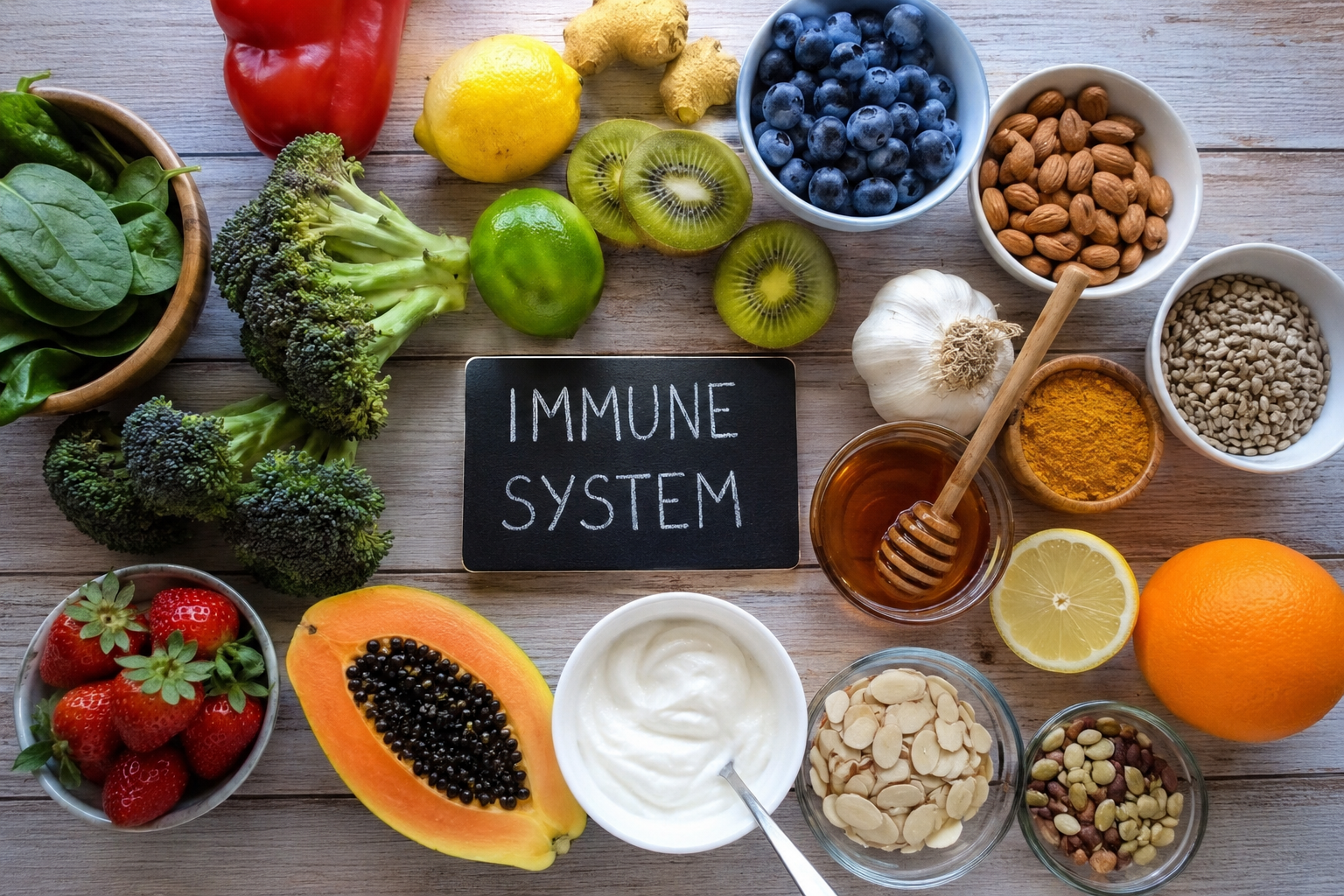
A strong immune system plays an important role in protecting the body from infections and helping it recover when illness occurs. While no single food can prevent every disease, eating a balanced diet filled with nutritious foods can give the body the vitamins, minerals, antioxidants, protein, and other nutrients it needs to support healthy immune function. Choosing the right foods regularly can also improve overall health, energy, and well being.
Many people focus on their immune system during cold and flu season, but immune health is something that deserves attention throughout the year. A healthy eating pattern that includes fruits, vegetables, whole grains, healthy fats, and quality protein can provide important nutrients for the body’s natural defenses.
Why Nutrition Matters for Immune Health
The immune system is a complex network that includes cells, tissues, organs, and biological processes. It needs a steady supply of nutrients to work properly. Poor eating habits may make it harder for the body to maintain normal immune function, while a nutritious diet can help support the body’s natural protective mechanisms.
Important nutrients for immune health include vitamin C, vitamin A, vitamin D, vitamin E, zinc, selenium, iron, protein, and several B vitamins. These nutrients can be found in many everyday foods, making it possible to support a strong immune system through a varied diet.
Citrus Fruits for Vitamin C
Oranges, lemons, grapefruits, mandarins, and other citrus fruits are popular sources of vitamin C. This vitamin supports several functions of the immune system and also acts as an antioxidant that helps protect cells from oxidative stress.
Adding citrus fruits to your daily meals can be an easy way to increase your intake of vitamin C. You can eat an orange as a snack, add lemon to water, or include grapefruit in a breakfast meal. Other fruits and vegetables such as strawberries, guava, kiwi, tomatoes, and bell peppers also provide vitamin C.
Garlic for Natural Immune Support
Garlic has been used in traditional diets for centuries and contains sulfur compounds that contribute to its distinctive flavor and smell. It is also valued for its potential health benefits.
Adding fresh garlic to soups, vegetables, sauces, rice, and other meals can make healthy foods more flavorful while adding useful plant compounds to your diet. Garlic works especially well as part of a diet that includes plenty of vegetables and other nutrient rich foods.
Leafy Green Vegetables
Spinach, kale, mustard greens, and other leafy green vegetables are excellent choices for a healthy diet. They provide vitamins, minerals, fiber, and antioxidant compounds that can contribute to overall health.
Leafy greens can be added to salads, soups, omelets, sandwiches, and cooked meals. Eating different types of vegetables throughout the week can help ensure that your body receives a wider variety of nutrients.
Berries and Antioxidant Rich Fruits
Blueberries, strawberries, raspberries, and blackberries contain antioxidants and other beneficial plant compounds. Antioxidants help protect cells from damage caused by free radicals.
Berries are also convenient and versatile. They can be eaten fresh, mixed with yogurt, added to oatmeal, or blended into a smoothie. Choosing a variety of colorful fruits can help increase the range of nutrients in your diet.
Yogurt and Other Fermented Foods
The digestive system and immune system are closely connected. The gut contains a large community of microorganisms that can influence many aspects of health. For this reason, foods that support a healthy gut may also be valuable as part of an overall immune health diet.
Yogurt containing live cultures can be a useful choice. Other fermented foods include kefir, fermented vegetables, and certain traditional fermented foods. When choosing yogurt, checking the nutrition label for added sugar can help you make a healthier choice.
Nuts and Seeds
Almonds, walnuts, sunflower seeds, pumpkin seeds, and other nuts and seeds provide healthy fats, protein, fiber, vitamins, and minerals. Some also contain vitamin E, zinc, selenium, and other nutrients that support normal body functions.
A small serving of nuts or seeds can make a convenient snack. They can also be sprinkled over oatmeal, salads, yogurt, or vegetable dishes. Because nuts and seeds are energy dense, reasonable portion sizes are important.
Fatty Fish for Vitamin D and Healthy Fats
Salmon, sardines, trout, and other fatty fish provide high quality protein and beneficial fats. Some types of fatty fish are also good sources of vitamin D.
Vitamin D is important for many functions in the body, including normal immune function. Eating fish as part of a balanced diet can provide important nutrients while also adding variety to meals.
For people who do not eat fish, vitamin D can also come from fortified foods and other dietary sources. Individual vitamin needs can vary, so people with concerns about deficiency should discuss them with a qualified healthcare professional.
Eggs for Protein and Essential Nutrients
Eggs are a convenient source of high quality protein and contain several vitamins and minerals. Protein is particularly important because the body uses amino acids for many essential processes, including the maintenance and production of cells.
Eggs can be prepared in many simple ways, including boiled, scrambled, or added to vegetable based meals. Combining eggs with vegetables and whole grains can create a balanced breakfast or lunch.
Beans and Lentils
Beans, chickpeas, peas, and lentils are affordable sources of plant based protein and fiber. They also provide minerals such as zinc and iron, which are important for normal body functions.
Including legumes in regular meals can support a balanced diet. Lentil soup, chickpea salad, bean curry, and vegetable dishes with beans are simple ways to include these foods in your weekly meal plan.
Sweet Potatoes and Orange Vegetables
Sweet potatoes, carrots, pumpkin, and other orange colored vegetables contain beta carotene, which the body can convert into vitamin A. Vitamin A is important for maintaining normal immune function and healthy body tissues.
These vegetables can be roasted, steamed, added to soups, or included in homemade meals. Their natural sweetness also makes them an easy addition to many healthy recipes.
Whole Grains for Overall Nutrition
Whole grains such as oats, brown rice, whole wheat, barley, and quinoa provide fiber, vitamins, minerals, and other nutrients. Fiber is particularly important for digestive health, which is connected to overall wellness.
Replacing some refined grains with whole grain options can improve the nutritional quality of your meals. For example, oatmeal can replace sugary breakfast cereals, while brown rice or whole grain bread can be used in place of more refined options.
Ginger and Other Flavorful Foods
Ginger is another food commonly included in healthy diets. It contains plant compounds and can add flavor to meals and drinks without relying heavily on salt or sugar.
Fresh ginger can be added to tea, soups, stir fried vegetables, and homemade sauces. Other herbs and spices such as turmeric, cinnamon, and cloves can also add flavor while contributing plant compounds to the diet.
Hydration Is Also Important
Food is not the only part of supporting good health. Drinking enough fluids is important for normal body functions. Water helps maintain hydration and supports digestion, circulation, and other essential processes.
Instead of relying heavily on sugary drinks, make water the main beverage throughout the day. Milk and unsweetened beverages can also contribute nutrients depending on individual dietary needs.
Foods to Limit for Better Immune Health
Supporting the immune system is not only about adding healthy foods. It is also helpful to limit foods that provide large amounts of added sugar, unhealthy fats, and excessive sodium.
Highly processed foods can be included occasionally, but they should not replace nutritious whole foods in the regular diet. A meal pattern based on vegetables, fruits, whole grains, legumes, lean protein, nuts, seeds, and healthy fats can provide a stronger nutritional foundation.
How to Build an Immune Supporting Meal
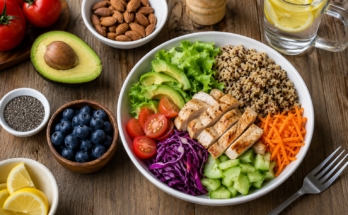
Creating a healthy meal does not have to be complicated. Start with a source of protein such as eggs, beans, fish, chicken, or yogurt. Add colorful vegetables and a serving of whole grains or another nutritious carbohydrate. Include fruit when appropriate and use healthy fats from foods such as nuts, seeds, or olive oil.
For example, breakfast could include oatmeal with berries and nuts. Lunch could include lentils with vegetables and whole grain bread. Dinner could feature grilled fish with sweet potatoes and leafy green vegetables. These simple combinations can provide a broad range of nutrients.
Conclusion
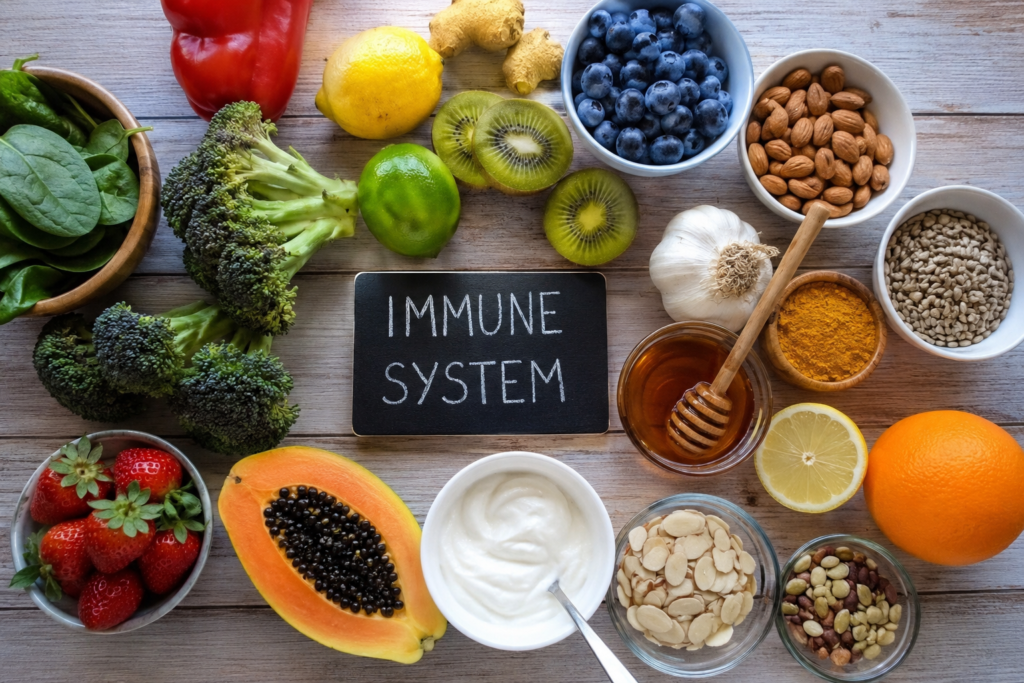
Eating foods that support a strong immune system is one part of maintaining a healthy lifestyle. Citrus fruits, berries, leafy green vegetables, garlic, yogurt, nuts, seeds, fatty fish, eggs, beans, lentils, sweet potatoes, and whole grains can all contribute valuable nutrients to a balanced diet.
The most important approach is variety. Instead of depending on one so called superfood, focus on eating different colorful fruits and vegetables, quality protein, whole grains, healthy fats, and nutrient rich foods throughout the week. Good nutrition works best when combined with other healthy habits such as regular physical activity, adequate sleep, stress management, and good hygiene.
A balanced diet cannot guarantee that you will never become sick, but it can provide the nutritional foundation your body needs to maintain normal immune function and overall health. By making healthy food choices consistently, you can support your immune system while building better eating habits for the long term.