Having enough energy throughout the day is important for work, study, exercise, family activities, and everyday responsibilities. Many people feel tired during the day and try to solve the problem with coffee, sugary snacks, or energy drinks. These options may provide a short boost, but they often do not support steady energy for the entire day. A healthier approach is to focus on healthy eating and give the body the nutrients it needs to work properly.
Healthy eating can improve your energy by providing a balanced combination of carbohydrates, protein, healthy fats, vitamins, minerals, and water. The foods you eat affect how your body produces and uses energy. When you choose nutritious foods regularly, you may feel more active, focused, and prepared to handle your daily activities.
Why Healthy Eating Matters for Energy
Your body needs energy to perform almost every function. The brain needs energy for concentration and thinking, while muscles need energy for movement. Your heart, lungs, digestive system, and other organs also require a constant supply of energy.
Food provides the fuel your body needs. However, not all foods provide energy in the same way. Foods high in added sugar may cause blood sugar to rise quickly and then fall, which can leave you feeling tired. Highly processed meals may also be low in important nutrients.
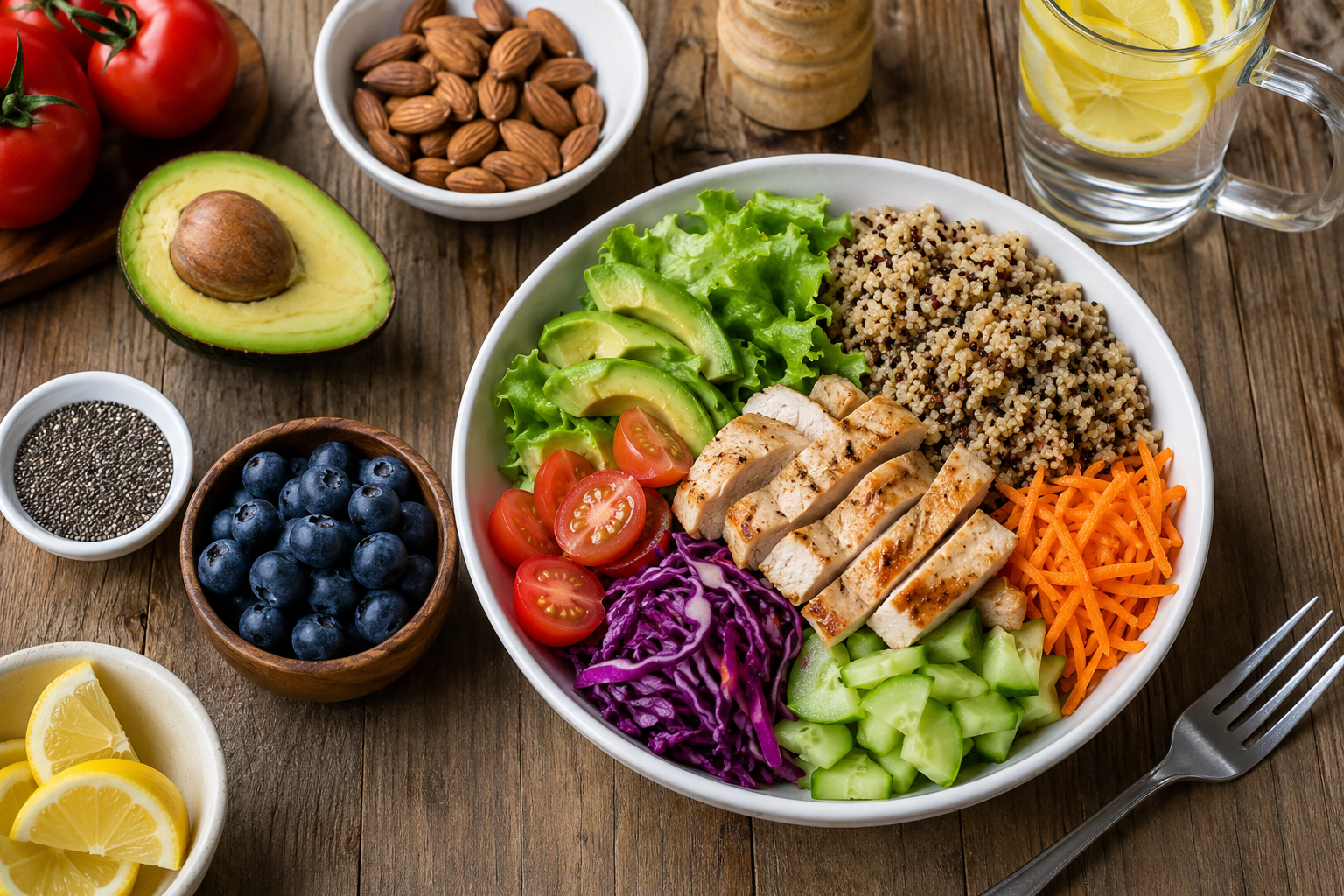
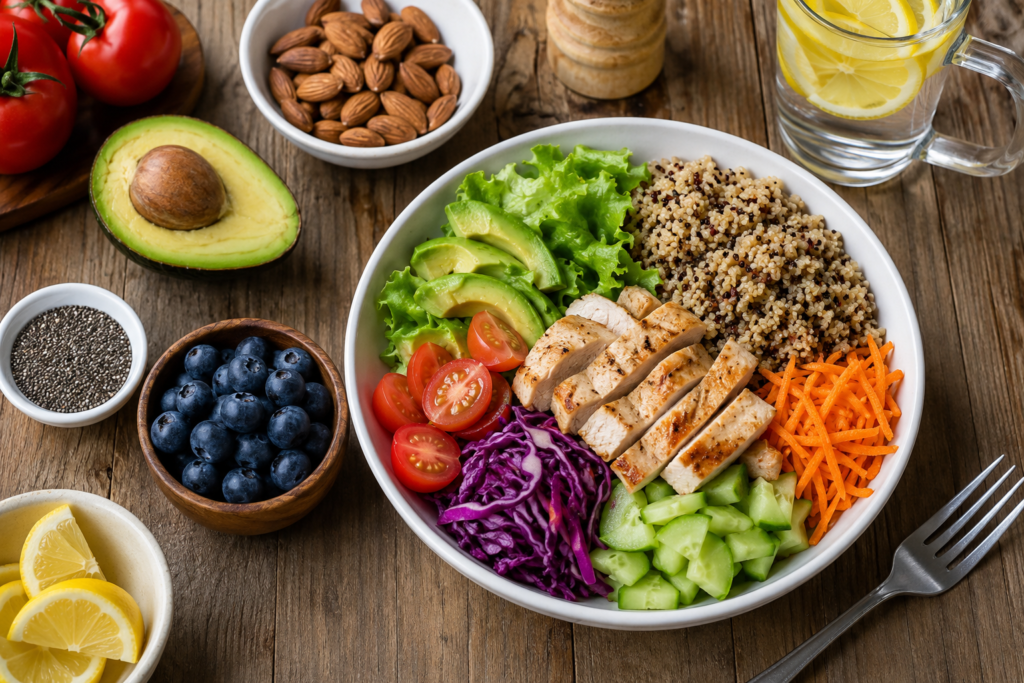
Healthy foods can provide more consistent nourishment. Whole grains, fruits, vegetables, beans, eggs, fish, lean meats, nuts, seeds, and other nutritious foods can support normal body functions and help you maintain better energy throughout the day.
Eat a Balanced Breakfast
Breakfast can be an important part of a healthy eating routine. After several hours without food during sleep, your body needs nourishment to begin the day. A balanced breakfast can help you feel more prepared for work, school, exercise, or other activities.
Instead of choosing a breakfast that contains mostly sugar, try combining protein, fiber, and complex carbohydrates. Oatmeal with fruit and nuts is one simple option. Eggs with whole grain toast and vegetables can also provide a satisfying combination of nutrients.
A healthy breakfast does not have to be complicated. Even yogurt with fruit and seeds can be a practical choice when you have limited time in the morning.
Choose Complex Carbohydrates
Carbohydrates are one of the body’s main sources of energy. However, the type of carbohydrate you choose matters. Complex carbohydrates found in whole grains, vegetables, beans, and many fruits are generally better choices for steady energy than foods containing large amounts of added sugar.
Whole grain bread, brown rice, oats, quinoa, beans, sweet potatoes, and other fiber rich foods can be included in a healthy diet. Fiber slows digestion and can help you feel satisfied for longer.
Replacing highly refined foods with more whole food carbohydrate sources may help support a more balanced eating pattern. This can make it easier to avoid frequent hunger and energy crashes during the day.
Include Enough Protein
Protein is another important part of healthy eating. It helps support muscles, tissues, enzymes, and many other functions in the body. Including protein in meals can also help you feel full and satisfied.
Good protein sources include eggs, fish, chicken, beans, lentils, yogurt, milk, tofu, nuts, and seeds. You do not need to depend on one food to get enough protein. Including different protein sources throughout the week can make your meals more varied and nutritious.
For example, you could add eggs to breakfast, beans or chicken to lunch, and fish or lentils to dinner. A small serving of nuts or yogurt can also work as a nutritious snack.
Do Not Forget Healthy Fats
Healthy fats are also important for maintaining a balanced diet. Fat provides energy and helps the body absorb certain vitamins. Foods such as avocados, nuts, seeds, olive oil, and fatty fish can provide beneficial fats.
Healthy fats can also make meals more satisfying. Adding a small amount of nuts to oatmeal or seeds to yogurt can improve the nutritional value of a meal without making it difficult to prepare.
The goal is not to avoid all fats. Instead, focus on choosing nutritious sources of fat and keeping portions appropriate for your individual needs.
Eat More Fruits and Vegetables
Fruits and vegetables provide vitamins, minerals, fiber, and other beneficial plant compounds. They can support overall health and contribute to a balanced diet.
Different fruits and vegetables contain different nutrients, so eating a variety of colors can be a simple way to improve your diet. Apples, bananas, oranges, berries, carrots, spinach, tomatoes, peppers, broccoli, and other vegetables can all be useful choices.
Fruits can also be a convenient alternative to sweets when you want something naturally sweet. Adding vegetables to meals can increase fiber and nutrient intake while making food more filling.
Stay Hydrated
Healthy eating and hydration work together when it comes to maintaining energy. Water is essential for many body processes, and not drinking enough can make you feel less comfortable and less energetic.
Make water a regular part of your daily routine. You can drink water with meals and keep a bottle nearby during work or study. Fruits and vegetables also contain water, although drinking fluids remains important.
If you often replace water with sugary drinks, gradually reducing those beverages can be a useful step toward healthier eating habits. Unsweetened drinks can also be considered depending on your preferences.
Avoid Relying Too Much on Sugar
Sugary foods can taste good and provide quick energy, but they should not be the main source of daily fuel. Candy, sweetened drinks, pastries, and other foods high in added sugar may provide calories without offering many essential nutrients.
Eating too much added sugar can also make it harder to maintain a balanced diet. Instead of depending on sweets whenever you feel tired, try eating a snack that combines protein, fiber, and healthy carbohydrates.
For example, an apple with peanut butter, yogurt with berries, or a small handful of nuts with fruit can be more satisfying than a sugary snack alone.
Plan Healthy Snacks
Long gaps between meals can sometimes make it difficult to maintain good eating habits. Planning healthy snacks can help you avoid choosing highly processed foods when you become very hungry.
Keep simple foods available at home, work, or school. Fresh fruit, yogurt, nuts, boiled eggs, vegetables with hummus, and whole grain crackers are examples of convenient options.
A healthy snack does not need to be large. Its purpose is to provide useful nutrients and help you stay satisfied until your next meal.
Eat Regularly and Listen to Your Body
Healthy eating is not only about individual foods. Your overall eating pattern matters too. Skipping meals regularly may leave some people feeling hungry, distracted, or low on energy.
Try to create a meal routine that works with your lifestyle. Some people prefer three main meals, while others benefit from smaller meals and healthy snacks. The most important thing is to choose nutritious foods and pay attention to your hunger and fullness signals.
Your energy needs may also change depending on your activity level, age, daily routine, and other factors. There is no single eating schedule that works perfectly for everyone.
Healthy Eating and Mental Focus
Food can also play a role in how you feel during mentally demanding activities. The brain requires energy and nutrients to function. A balanced diet that includes whole grains, vegetables, fruits, protein sources, and healthy fats can support overall nutritional needs.
When meals are extremely high in added sugar or very low in important nutrients, you may find it harder to maintain a balanced routine. Choosing nutritious foods regularly can help support both physical activity and daily concentration.
Make Small Changes
You do not need to completely change your diet overnight. Small changes can be easier to maintain and can gradually improve your eating habits.
You could start by drinking more water, adding one extra serving of vegetables to your meals, replacing white bread with whole grain bread, choosing fruit instead of sweets, or adding a protein source to breakfast.
Another useful step is to prepare some meals at home. Cooking gives you more control over ingredients and portion sizes. Simple homemade meals can often include more whole foods and fewer unnecessary added ingredients.
Conclusion
Healthy eating can improve your energy by giving your body a steady supply of important nutrients. A balanced diet that includes complex carbohydrates, protein, healthy fats, fruits, vegetables, and enough water can support your daily physical and mental activities.
Instead of depending on sugary foods or excessive caffeine for quick energy, focus on nutritious meals and snacks that provide lasting nourishment. Eating a healthy breakfast, choosing whole grains, including protein, staying hydrated, and eating a variety of fruits and vegetables are practical steps that can make a difference.
The key to better energy is not a single superfood or special diet. It is the combination of healthy choices made consistently. By improving your daily eating habits one step at a time, you can build a healthier lifestyle and give your body the fuel it needs to get through the day.