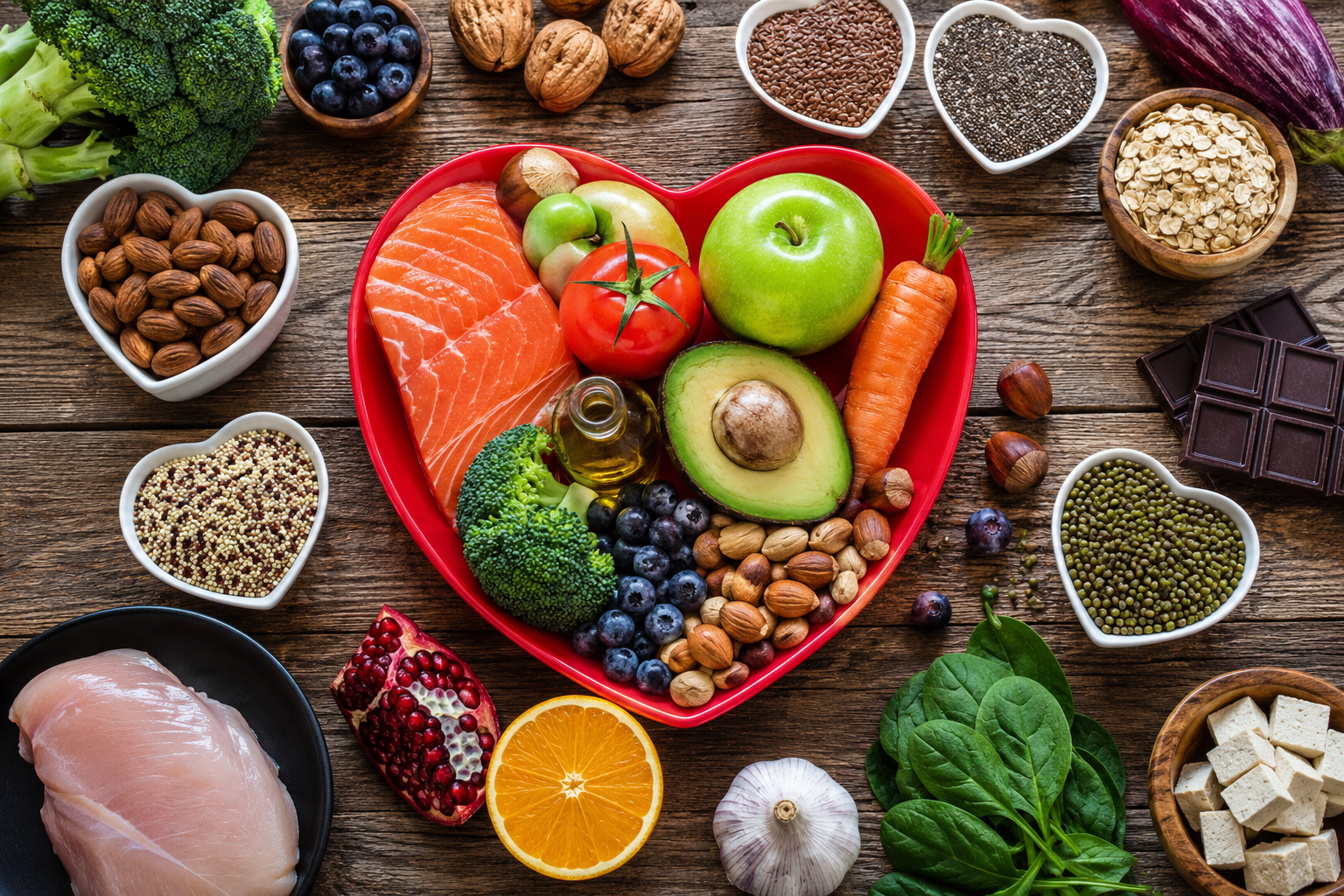
Heart health is an important part of living a long and active life. The heart works continuously to pump blood throughout the body, so giving it the right nutrients can make a major difference to overall health. A balanced diet that includes fruits, vegetables, whole grains, healthy fats, lean proteins, and other nutritious foods can support healthy blood pressure, cholesterol levels, and circulation.
Choosing the best foods for better heart health does not mean following a complicated diet. Simple changes in everyday meals can help create healthier eating habits over time. By replacing highly processed foods with natural and nutrient rich options, people can provide their bodies with vitamins, minerals, fiber, antioxidants, and healthy fats that support cardiovascular wellness.
Why Food Matters for Heart Health
The foods people eat can influence several factors connected to heart health. A diet high in saturated fat, added sugar, sodium, and heavily processed foods may contribute to unhealthy cholesterol levels, high blood pressure, and excess weight. On the other hand, nutritious foods can provide important nutrients that help the heart and blood vessels function properly.
A heart healthy diet is not about avoiding every food that you enjoy. It is about creating a balanced eating pattern where nutritious foods make up most of your meals. Fresh ingredients, reasonable portions, and variety are some of the most useful principles for supporting cardiovascular health.
Fatty Fish
Fatty fish are among the best foods for better heart health because they contain omega 3 fatty acids. These healthy fats are found in fish such as salmon, sardines, mackerel, trout, and tuna.
Omega 3 fatty acids are associated with heart health and may support normal triglyceride levels. Fish also provides high quality protein and several important vitamins and minerals. Including fish in meals a couple of times a week can be a useful part of a balanced diet.
Grilled, baked, or steamed fish is generally a better choice than fish that has been heavily fried. Adding herbs, lemon, and vegetables can create a flavorful heart healthy meal without relying on large amounts of salt or unhealthy fats.
Oats and Other Whole Grains
Whole grains are another excellent choice for cardiovascular wellness. Oats are particularly popular because they contain soluble fiber, including a type of fiber called beta glucan.
Fiber can help support healthy cholesterol levels as part of an overall healthy eating pattern. Other useful whole grains include brown rice, whole wheat, barley, quinoa, and whole grain bread.
Replacing refined grains with whole grains is a simple way to improve the nutritional quality of meals. For example, brown rice can be used instead of white rice, while whole grain bread can replace refined bread.
Leafy Green Vegetables
Leafy green vegetables such as spinach, kale, lettuce, and Swiss chard provide many nutrients that can support overall cardiovascular health. They contain fiber, vitamins, minerals, and plant compounds that are valuable additions to a balanced diet.
These vegetables can easily be included in salads, soups, sandwiches, curries, and cooked meals. Eating a variety of vegetables throughout the week helps provide different nutrients and makes a healthy diet more enjoyable.
For better results, try combining leafy greens with other colorful vegetables such as carrots, tomatoes, bell peppers, and broccoli.
Berries and Other Fruits
Fruits are naturally rich in vitamins, minerals, fiber, and antioxidants. Berries such as strawberries, blueberries, raspberries, and blackberries are especially nutritious choices.
The natural plant compounds found in berries can contribute to a healthy diet and support overall wellness. Fruits such as apples, oranges, bananas, pears, and pomegranates can also be included in regular meals.
Whole fruit is generally a better everyday choice than fruit juice because whole fruit contains fiber and is more filling. A piece of fruit can make a convenient snack between meals.
Nuts and Seeds
Nuts and seeds can be valuable additions to a heart healthy eating plan. Almonds, walnuts, pistachios, chia seeds, flaxseeds, and pumpkin seeds provide healthy fats, fiber, protein, vitamins, and minerals.
Walnuts are particularly well known for their plant based omega 3 fatty acids. Chia seeds and flaxseeds also provide fiber and healthy fats.
Because nuts and seeds are energy dense, portion size matters. A small handful can be enough for a nutritious snack. Choose unsalted varieties when possible to reduce unnecessary sodium intake.
Beans and Lentils
Beans, lentils, chickpeas, and other legumes are affordable and nutritious foods that can support heart health. They provide plant based protein and dietary fiber while being naturally low in saturated fat.
Adding legumes to meals can also make food more filling. Lentils can be used in soups and curries, while chickpeas can be added to salads. Beans can be included in rice dishes, vegetable meals, and homemade soups.
Replacing some processed or high fat meat meals with beans and lentils can be an easy way to create a more balanced eating pattern.
Avocados
Avocados provide mostly unsaturated fats along with fiber and several nutrients. Healthy fats can be useful when they replace foods that are high in saturated fat.
Avocado can be added to whole grain toast, salads, sandwiches, or homemade dips. It can also provide a creamy texture to meals without requiring large amounts of butter or other saturated fat sources.
Although nutritious, avocado is relatively high in calories, so reasonable portions are still important.
Olive Oil
Olive oil is a popular source of monounsaturated fat and is commonly included in heart focused eating patterns. It can be used in salad dressings, vegetable dishes, and cooking.
Using olive oil in place of butter or other sources of saturated fat may help improve the overall quality of dietary fat. Extra virgin olive oil is a common choice because it contains naturally occurring plant compounds.
The goal is not to consume large amounts of oil but to use healthy fats wisely as part of balanced meals.
Tomatoes
Tomatoes are a simple and versatile food that can fit into a heart healthy diet. They provide vitamin C, potassium, fiber, and beneficial plant compounds.
Fresh tomatoes can be added to salads and sandwiches, while cooked tomatoes can be used in soups, sauces, and vegetable dishes. Combining tomatoes with other colorful vegetables can increase the variety of nutrients in a meal.
Garlic
Garlic has been used in traditional cooking for centuries and can add strong flavor without requiring excessive salt. It contains sulfur containing plant compounds and can be part of a balanced diet focused on cardiovascular wellness.
Adding fresh garlic to vegetables, soups, lentils, fish, and homemade sauces is an easy way to improve flavor while keeping meals nutritious.
Dark Chocolate in Moderation
Dark chocolate with a high cocoa content can contain beneficial plant compounds called flavanols. However, many chocolate products also contain considerable amounts of added sugar and saturated fat.
For this reason, dark chocolate should be enjoyed in moderation rather than treated as a major health food. Choosing a small portion of higher cocoa chocolate can be a better option when someone wants an occasional sweet treat.
Foods to Limit for Better Heart Health
Knowing which foods to limit is also important. Highly processed foods often contain large amounts of sodium, added sugar, refined carbohydrates, or unhealthy fats.
Processed meats, heavily fried foods, sugary drinks, excessive sweets, and foods containing large amounts of saturated fat should not form the foundation of a daily diet. High sodium intake can also be a concern for people who need to manage blood pressure.
Instead of trying to remove everything at once, small substitutions can make healthy eating easier. Choose fresh fruit instead of sugary snacks, unsalted nuts instead of salty snacks, and grilled foods instead of heavily fried options.
Simple Ways to Build a Heart Healthy Plate
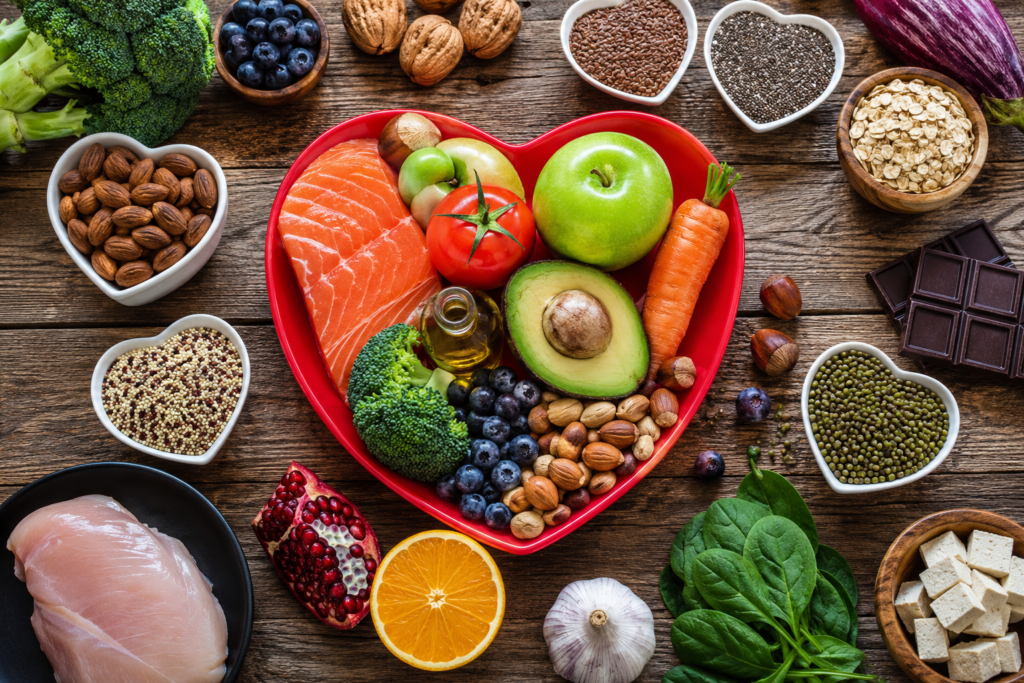
Creating a heart healthy meal can be simple. Start by filling a large portion of the plate with vegetables. Add a source of lean protein such as fish, beans, lentils, or skinless poultry. Choose a whole grain such as brown rice, oats, quinoa, or whole grain bread.
Add a small amount of healthy fat from foods such as olive oil, nuts, seeds, or avocado. Drinking water instead of sugary beverages can also reduce unnecessary added sugar.
Planning meals in advance can make healthy choices easier. Keeping fruits, vegetables, whole grains, beans, and nuts available at home can reduce the temptation to rely on heavily processed convenience foods.
The Importance of Overall Eating Habits
No single food can guarantee perfect heart health. The biggest benefits usually come from the overall eating pattern. A diet that regularly includes vegetables, fruits, whole grains, legumes, fish, nuts, seeds, and healthy fats can provide a broad range of nutrients.
Regular physical activity, adequate sleep, maintaining a healthy weight, avoiding tobacco, and managing stress are also important parts of cardiovascular wellness.
People with existing heart conditions, high blood pressure, high cholesterol, diabetes, or other health concerns should discuss major dietary changes with a qualified healthcare professional. Individual nutritional needs can vary.
Conclusion
The best foods for better heart health are generally simple, natural, and nutrient rich choices. Fatty fish, oats, whole grains, leafy green vegetables, berries, nuts, seeds, beans, lentils, avocados, tomatoes, garlic, and olive oil can all have a place in a balanced diet.
The key is consistency rather than perfection. Small daily changes, such as eating more vegetables, choosing whole grains, adding healthy fats, and reducing highly processed foods, can help create a healthier eating pattern.
A heart healthy lifestyle begins with everyday choices. By making nutritious foods a regular part of meals and paying attention to portion sizes and overall balance, people can take practical steps toward supporting their cardiovascular health and enjoying better wellbeing for years to come.