Ultra processed foods are getting more attention from health experts, researchers, and everyday consumers. These foods have become a major part of modern diets because they are convenient, affordable, easy to store, and ready to eat. From packaged snacks and sugary breakfast cereals to instant meals, soft drinks, processed meats, and many frozen products, ultra processed foods are now widely available in supermarkets and restaurants.
The growing interest in ultra processed foods is mainly connected to concerns about their possible effects on overall health. Researchers are studying how frequently eating these foods may be associated with weight gain, heart disease, diabetes, digestive problems, and other health concerns. At the same time, consumers are becoming more interested in understanding food labels and choosing healthier options.
What Are Ultra Processed Foods?
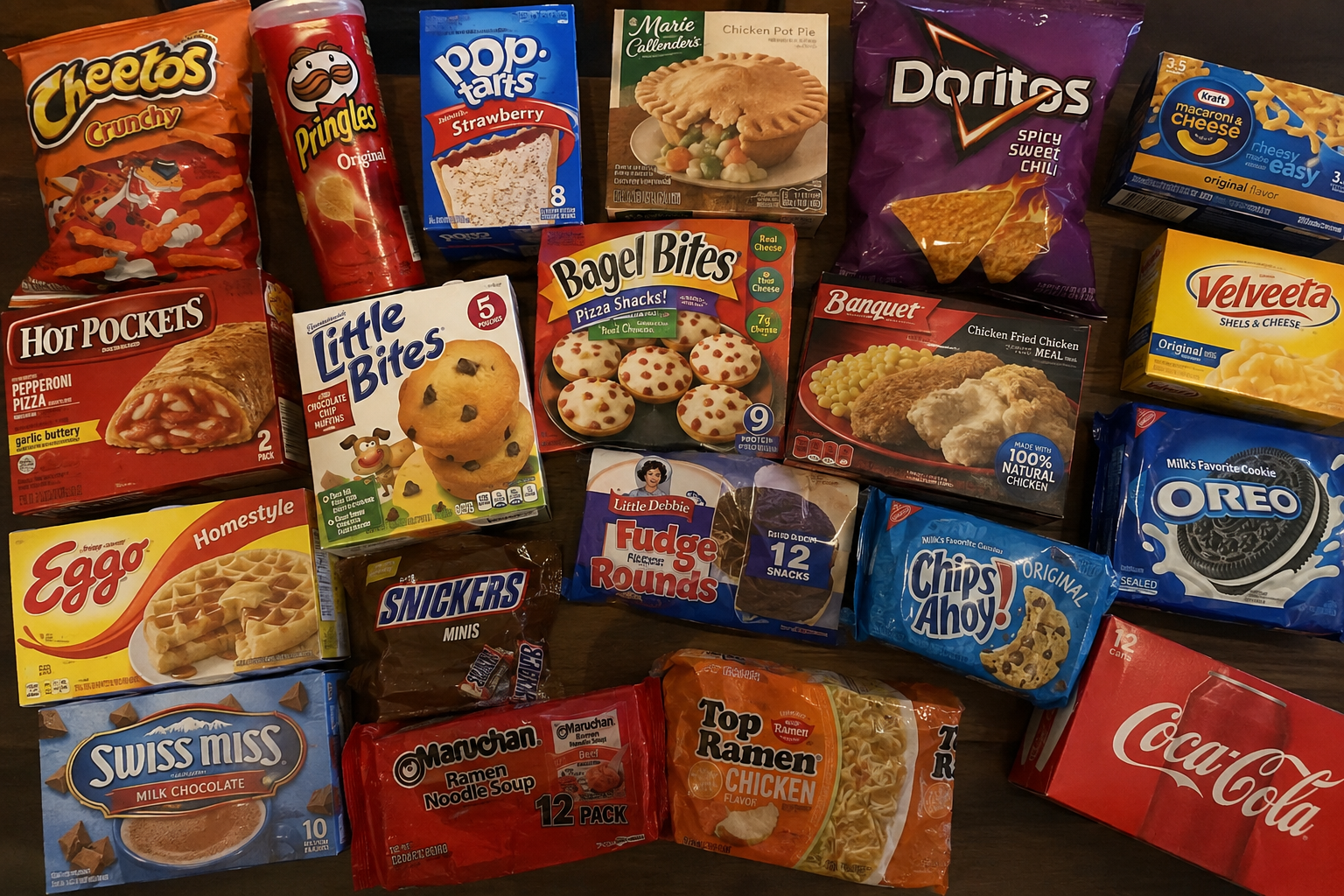
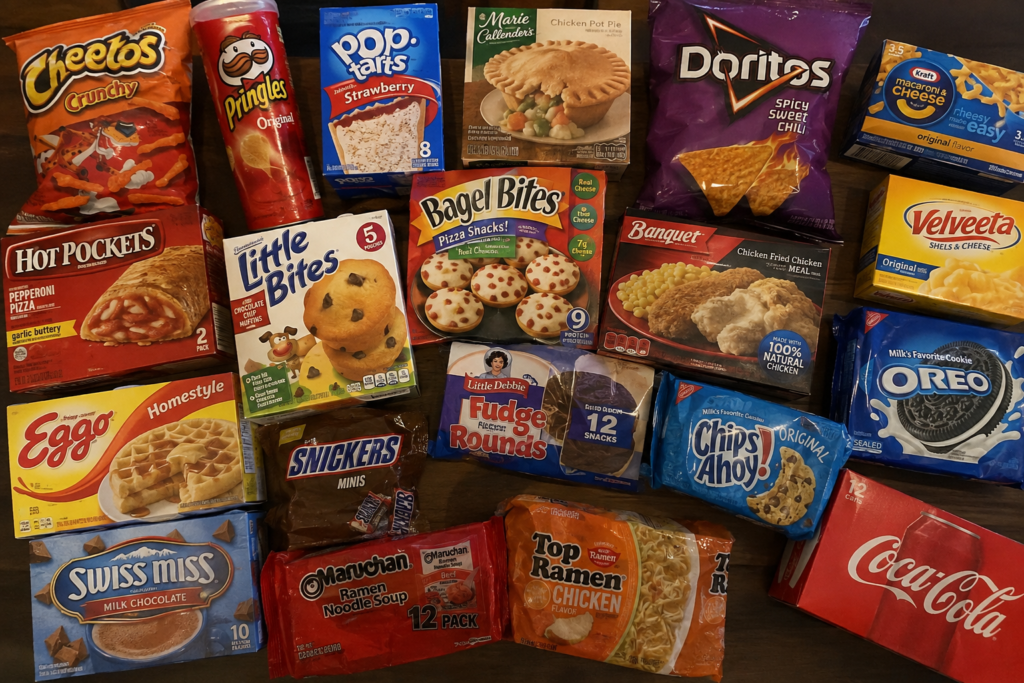
Ultra processed foods are industrially produced foods that usually contain several ingredients and additives that are not commonly used in home cooking. These products may contain added sugars, refined oils, artificial flavors, colors, sweeteners, preservatives, emulsifiers, and other ingredients designed to improve taste, texture, appearance, or shelf life.
Common examples include packaged cakes, cookies, chips, sugary drinks, candy, instant noodles, sweetened cereals, processed meat products, packaged desserts, and some ready to eat meals.
It is important to understand that processing itself is not always unhealthy. Many foods are processed in useful ways. Milk can be pasteurized, vegetables can be frozen, and grains can be milled without making them unhealthy choices. The concern surrounding ultra processed foods is more about highly formulated products that are designed to be extremely convenient and enjoyable while often containing high amounts of sugar, salt, unhealthy fats, or calories.
Why Are Ultra Processed Foods Becoming So Popular?
One major reason is convenience. Modern lifestyles can make it difficult for people to prepare every meal from basic ingredients. Ultra processed foods can save time because they often require little or no preparation.
Busy workers, students, and families may choose packaged meals or snacks because they are quick and easy. A person can open a package, heat a meal, or grab a snack without spending much time cooking.
Price is another important factor. Some highly processed foods are inexpensive compared with fresh meat, certain fruits, vegetables, and other whole foods. Promotions and large package sizes can also encourage consumers to purchase more processed products.
Taste also plays an important role. Many ultra processed foods are carefully designed to provide strong flavors and appealing textures. This can make them enjoyable and sometimes difficult to eat in moderation.
Growing Concerns About Ultra Processed Foods
The main reason ultra processed foods are receiving more attention is the growing amount of research examining their relationship with health. Several studies have found associations between high consumption of ultra processed foods and increased risks of certain health problems.
Researchers have investigated possible links with obesity, type 2 diabetes, cardiovascular disease, and other chronic conditions. These studies do not mean that every packaged food causes disease or that everyone who eats processed food will experience health problems. However, they have encouraged scientists to look more closely at how food quality and processing affect long term health.
One concern is that ultra processed foods can make it easy to consume large amounts of calories. Their combination of sweetness, saltiness, fat, and appealing textures may encourage people to continue eating even after they have consumed enough energy.
Ultra Processed Foods and Weight Management
Maintaining a healthy weight can become more difficult when a large portion of the diet consists of calorie dense processed foods. Many packaged snacks and drinks provide significant calories without offering the same amount of fiber and nutrients found in many whole foods.
For example, a sugary drink can provide a considerable amount of added sugar while offering very little protein or fiber. Similarly, some packaged snacks may be high in calories but relatively low in vitamins, minerals, and other important nutrients.
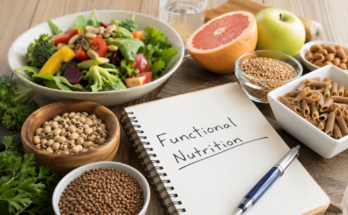
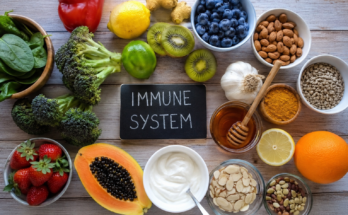
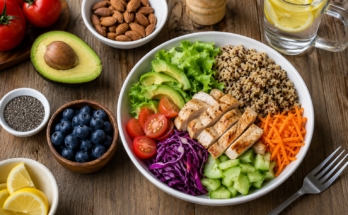
A diet based heavily on whole grains, vegetables, fruits, beans, nuts, seeds, and lean protein can provide greater nutritional value and may help people feel satisfied for longer.
The Role of Added Sugar, Salt, and Fat
Another reason ultra processed foods are being discussed more often is their common use of added sugar, salt, and certain fats.
Eating too much added sugar can contribute to excessive calorie intake and may increase the risk of several health problems when consumed regularly in large amounts. High sodium intake can also be a concern, particularly for people who need to manage blood pressure.
Some processed foods contain significant amounts of saturated fat as well. While dietary fat is an important part of a balanced diet, the overall quality and quantity of fat matter.
This does not mean people must completely avoid every food containing sugar, salt, or fat. The bigger issue is how frequently these ingredients appear in the diet and whether highly processed products replace more nutritious foods.
Possible Effects on Digestive Health
Ultra processed foods are also receiving attention because of their possible relationship with digestive health. Many whole plant foods contain dietary fiber that supports normal digestion and helps maintain a healthy gut environment.
Some ultra processed products contain little fiber compared with fruits, vegetables, legumes, and whole grains. A diet that relies heavily on low fiber processed foods may therefore make it harder for a person to meet daily fiber needs.
Researchers are also investigating how certain additives and food structures may interact with the gut microbiome. This area of research is still developing, so more evidence is needed before strong conclusions can be made.
Why Food Labels Matter
As interest in ultra processed foods increases, reading food labels has become more important. Food labels can help consumers understand what they are actually buying.
Checking the ingredient list can reveal whether a product contains large amounts of added sugar, sodium, refined ingredients, or numerous additives. The nutrition facts panel can also provide useful information about calories, protein, fiber, saturated fat, and sodium.
However, consumers should not feel that every unfamiliar ingredient automatically makes a product unhealthy. Some additives are used for safety, preservation, or texture and are approved for use in foods. A better approach is to consider the overall nutritional quality of the product and how often it is consumed.
Not All Processed Foods Are Bad
One important point in the ultra processed food discussion is that processed foods should not all be treated equally.
Frozen vegetables can be highly convenient while still being nutritious. Canned beans can provide protein and fiber. Plain yogurt may be processed but can be part of a healthy diet. Whole grain bread can also be processed while providing valuable nutrients and fiber.
The goal should not be to fear every packaged product. Instead, people can focus on choosing foods that provide useful nutrients and limiting products that are heavily formulated and frequently high in added sugar, sodium, or calories.
How to Reduce Ultra Processed Foods
Reducing ultra processed foods does not require completely changing your diet overnight. Small changes can make a meaningful difference.
Start by adding more fruits and vegetables to daily meals. Choose whole grains more often and include foods such as beans, lentils, eggs, fish, nuts, seeds, and lean meats when appropriate.
Instead of drinking sugary beverages regularly, choose water, unsweetened tea, or other lower sugar options. Snacks can also be improved by choosing fruit, yogurt, nuts, or homemade options more often.
Cooking at home can make it easier to control ingredients. Even simple meals prepared with basic foods can provide better nutritional value than many highly formulated packaged meals.
The Future of Ultra Processed Food Research
Research into ultra processed foods is likely to continue growing. Scientists are studying not only individual ingredients but also the way highly processed foods are formulated, marketed, consumed, and absorbed by the body.
Future research may help explain why some processed foods appear to have stronger health associations than others. It may also help consumers and health professionals develop better ways to evaluate food quality.
The conversation is moving beyond simply asking whether a food is processed. Researchers are increasingly interested in the overall dietary pattern, nutritional value, ingredient composition, eating behavior, and level of processing.
Conclusion
Ultra processed foods are getting more attention because they have become a major part of modern diets and researchers are increasingly examining their possible connection with long term health. Concerns about weight management, heart health, diabetes, digestive health, added sugar, sodium, and overall nutrition have encouraged people to think more carefully about what they eat.
However, healthy eating does not need to mean completely eliminating packaged foods. A balanced approach is more practical. Choosing more whole and minimally processed foods while limiting highly processed products can help create a healthier eating pattern.
The most important step is to focus on the quality of the overall diet rather than becoming afraid of one particular food. By reading labels, eating a variety of nutrient rich foods, preparing meals at home when possible, and enjoying ultra processed foods in moderation, people can make more informed choices and support better long term health.