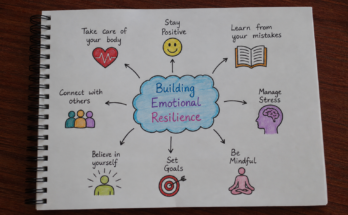
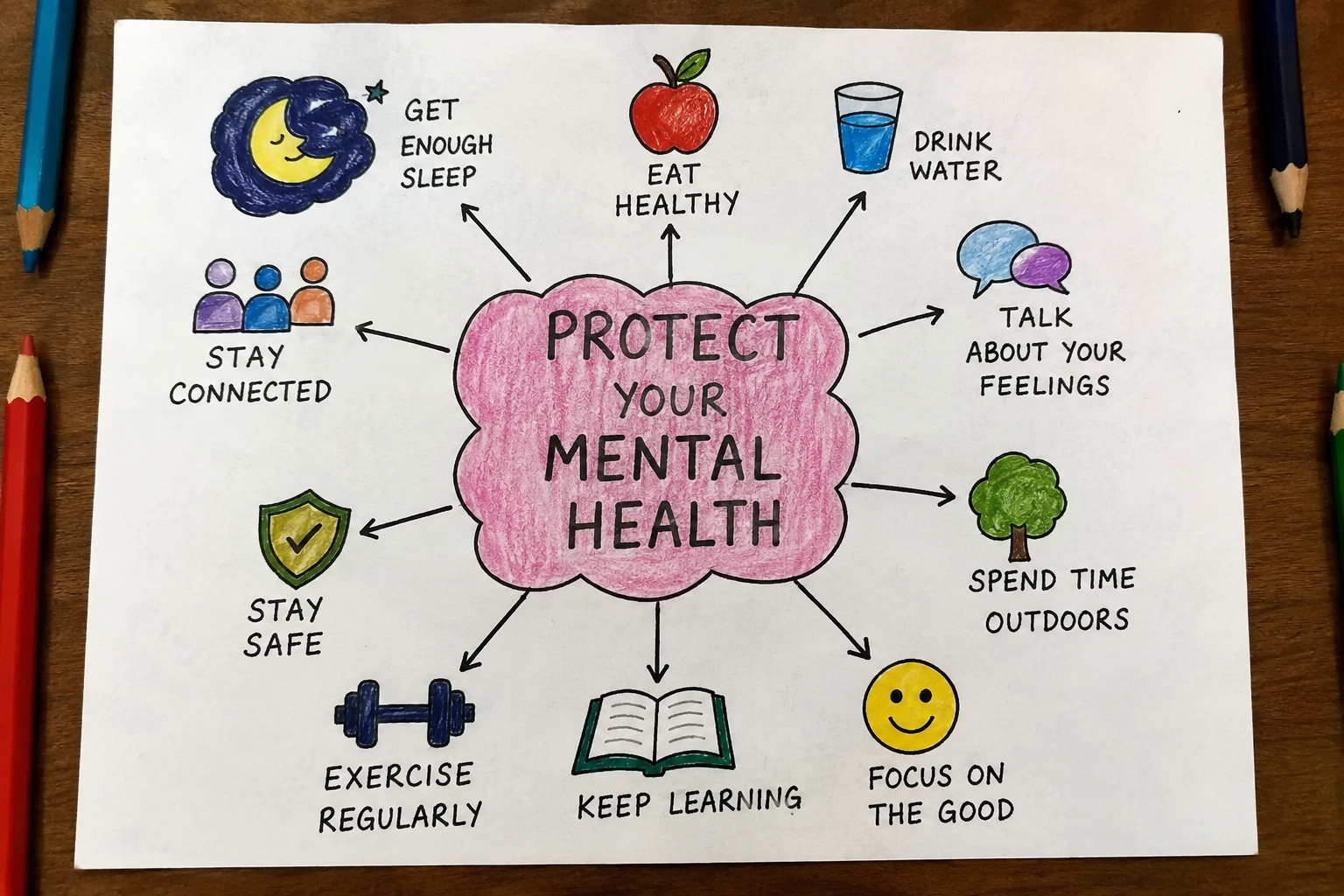
Mental health is an important part of living a healthy and balanced life. Many people focus on physical health while forgetting that emotional and mental wellbeing also needs regular care. Daily responsibilities, work pressure, family concerns, financial worries, social expectations, and constant use of technology can affect the way we think and feel. Learning how to protect your mental health in daily life can help you manage stress, improve your mood, build stronger relationships, and enjoy everyday activities more.
Protecting mental health does not always require major changes. Small healthy habits practiced consistently can make a meaningful difference. The goal is not to avoid every difficult situation but to develop healthy ways to handle challenges and protect your emotional wellbeing.
Understand the Importance of Mental Health
Mental health affects how you think, feel, behave, communicate, and respond to challenges. Good mental health does not mean feeling happy all the time. Everyone experiences sadness, stress, frustration, disappointment, and worry. These emotions are normal parts of life.
The important thing is learning how to recognize your emotions and respond to them in healthy ways. Ignoring emotional problems for a long time can make them harder to manage. Paying attention to your mental health can help you identify problems early and take useful steps before they become overwhelming.
Get Enough Quality Sleep
Sleep plays a major role in mental health. When you do not get enough rest, you may feel more irritated, tired, stressed, or unable to concentrate. Poor sleep can also make it harder to manage everyday emotions.
Try to create a regular sleep routine. Go to bed and wake up at similar times whenever possible. Keep your bedroom comfortable and reduce unnecessary distractions before sleeping. Avoid spending too much time on your phone or computer late at night because constant screen use can make it harder to relax.
Getting enough quality sleep can improve concentration, energy, emotional balance, and your ability to handle daily stress.
Stay Physically Active
Regular physical activity is one of the simple ways to support mental wellbeing. Exercise can help reduce stress and improve mood. You do not need an expensive gym membership or an intense workout routine to become more active.
Walking, stretching, cycling, swimming, dancing, gardening, or playing a sport can all add movement to your day. Even a short daily walk can give you time away from screens and allow you to clear your mind.
The best exercise routine is one that you can enjoy and continue regularly. Start with realistic goals instead of trying to make dramatic changes overnight.
Eat a Balanced Diet
Your eating habits can also influence how you feel throughout the day. A balanced diet provides your body with nutrients needed for energy and normal functioning.
Include a variety of fruits, vegetables, whole grains, beans, nuts, seeds, and other nutritious foods in your meals. Drink enough water and avoid depending too heavily on highly processed foods and sugary drinks.
Healthy eating does not mean following a perfect diet. It means making better choices most of the time and developing a balanced relationship with food.
Learn to Manage Daily Stress
Stress is a normal part of life, but constant or overwhelming stress can affect mental wellbeing. Learning simple stress management techniques can help you feel more in control.
When you feel overwhelmed, take a short break. Walk outside, breathe slowly, listen to calming music, stretch, or spend a few quiet minutes away from your responsibilities. Breaking a large problem into smaller tasks can also make it feel easier to manage.
Try to identify the things that regularly cause stress in your life. Once you understand your common stress triggers, you can begin looking for practical solutions.
Build Strong Social Connections
Healthy relationships are important for mental health. Spending time with supportive family members, friends, colleagues, or community members can reduce feelings of loneliness and provide emotional support.
Make an effort to stay connected with people who make you feel respected and comfortable. You do not need a huge social circle. A few trustworthy relationships can be more valuable than many superficial connections.
Talk openly with someone you trust when you are going through a difficult period. Sharing your thoughts can sometimes make a problem feel less heavy.
Set Healthy Boundaries
Protecting your mental health also means learning to say no when necessary. Many people become emotionally exhausted because they constantly try to meet everyone else’s expectations.
Healthy boundaries can help protect your time, energy, and emotional wellbeing. You can politely refuse requests that you cannot reasonably handle. You can also limit conversations, activities, or situations that repeatedly create unnecessary stress.
Setting boundaries does not mean being selfish. It means recognizing your own needs while still treating other people with respect.
Take Breaks From Technology
Technology makes life easier, but excessive screen time can affect your mood, sleep, concentration, and ability to relax. Constant notifications and social media updates can also create a feeling that you always need to be available.
Create periods during the day when you step away from your phone and other devices. Consider taking a break from social media when you notice that it is making you anxious or unhappy.
Use technology intentionally instead of allowing it to control your entire routine. Spend more time doing activities that give your mind a real break.
Practice Positive Self Talk
The way you speak to yourself can have a strong effect on your mental wellbeing. Negative self talk can make mistakes and difficult situations feel much worse.
Instead of telling yourself that you are a failure because something went wrong, remind yourself that mistakes are part of learning. Try to speak to yourself with the same kindness and understanding that you would offer to a close friend.
Positive self talk does not mean pretending that everything is perfect. It means recognizing difficulties without constantly criticizing yourself.
Make Time for Activities You Enjoy
Daily responsibilities can become exhausting when life contains nothing except work and obligations. Make time for hobbies and activities that bring you satisfaction.
Reading, cooking, gardening, drawing, photography, walking, writing, listening to music, or spending time in nature can help you relax. Even fifteen or thirty minutes spent doing something enjoyable can give your mind a valuable break.
Do not feel guilty about taking time for yourself. Rest and recreation are important parts of a healthy lifestyle.
Practice Mindfulness
Mindfulness means paying attention to the present moment instead of constantly worrying about the past or future. It can be practiced through quiet breathing, meditation, prayer, walking, or simply observing your surroundings.
When your mind becomes busy, take a few slow breaths and focus on what you can see, hear, and feel. This simple practice can help bring your attention back to the present.
You do not need to meditate for a long time. Starting with a few minutes each day can be a practical way to develop greater awareness.
Avoid Comparing Your Life With Others
Social media can make comparison especially difficult. People often share their achievements, vacations, relationships, and best moments online while hiding their struggles.
Comparing your everyday life with someone else’s carefully selected online image can create unnecessary dissatisfaction. Remember that every person has different circumstances, challenges, opportunities, and goals.
Focus on your own progress. Celebrate small improvements and measure success according to your personal values rather than someone else’s lifestyle.
Organize Your Daily Routine
A simple routine can provide structure and reduce unnecessary stress. When you know what needs to be done, it can become easier to manage your responsibilities.
Write down important tasks and prioritize them. Avoid filling every hour of the day with activities. Leave some time for rest, unexpected problems, and personal needs.
A realistic routine should support your wellbeing rather than make you feel trapped by a long list of responsibilities.
Know When to Ask for Professional Help
Sometimes daily habits are not enough to manage serious emotional difficulties. If you experience persistent sadness, extreme worry, severe stress, major changes in sleep or appetite, loss of interest in normal activities, or difficulty managing everyday responsibilities, consider talking to a qualified mental health professional.
Seeking professional support is not a sign of weakness. Mental health professionals can provide guidance, coping strategies, and appropriate care based on individual needs.
If you ever feel that you may hurt yourself or that you are in immediate danger, seek emergency help or contact a trusted person who can stay with you.
Final Thoughts
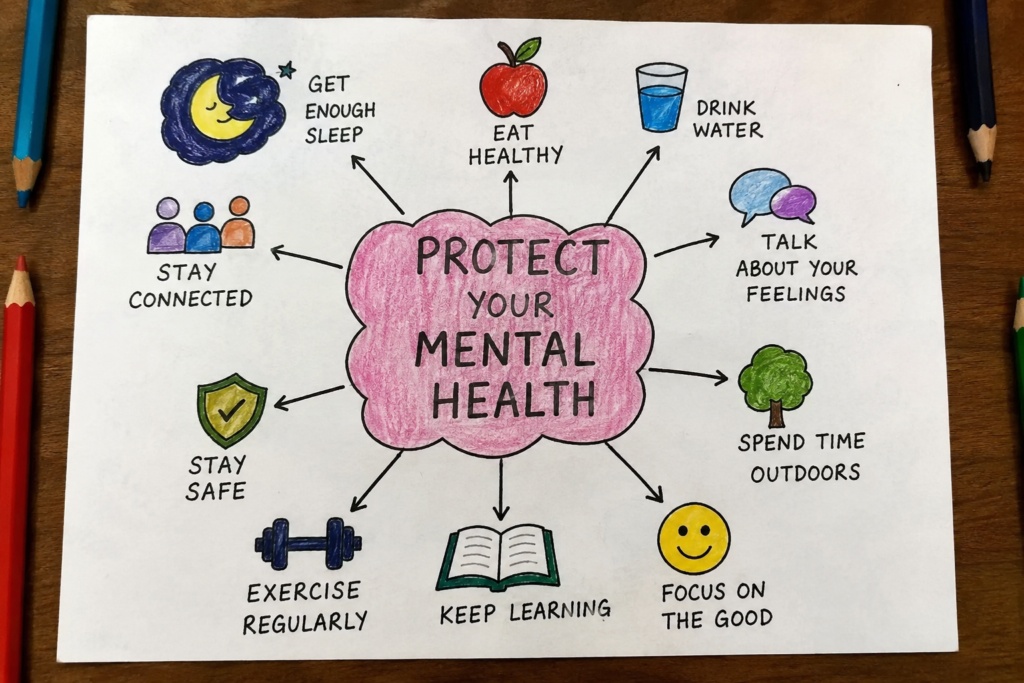
Protecting your mental health in daily life is a continuous process rather than a one time task. Getting enough sleep, staying physically active, eating nutritious foods, managing stress, maintaining supportive relationships, setting boundaries, reducing excessive screen time, and making time for yourself can all contribute to better mental wellbeing.
You do not need to change everything at once. Start with one or two healthy habits and gradually build from there. Small actions repeated every day can become powerful long term habits.
Your mental health deserves the same attention as your physical health. By listening to your emotions, taking care of your body, maintaining healthy relationships, and asking for help when needed, you can create a daily lifestyle that supports greater emotional balance, resilience, and overall wellbeing.