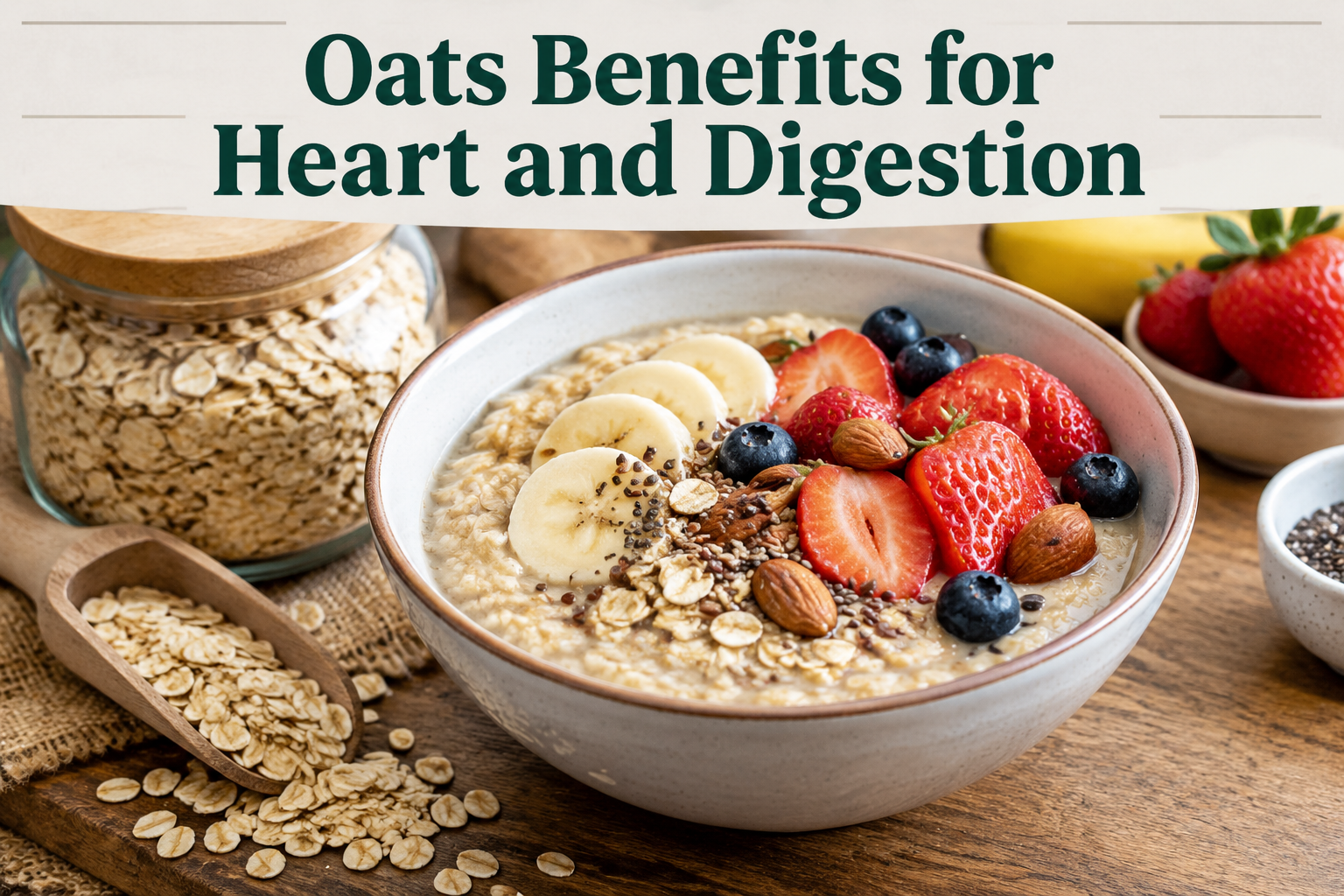
Oats are one of the most popular and nutritious whole grains available today. Many people start their morning with a bowl of oats because they are easy to prepare, filling, and packed with important nutrients. However, oats are much more than just a simple breakfast choice. They provide powerful benefits for heart health, digestion, weight management, and overall wellness.
For centuries, oats have been considered a valuable food because of their natural fiber, vitamins, minerals, and plant based compounds. Modern research has also shown that eating oats regularly may support a healthy heart and improve digestive function. This makes oats an excellent addition to a balanced daily diet.
One of the main reasons oats are so beneficial is their high content of soluble fiber, especially a special type called beta glucan. This fiber helps control cholesterol levels, supports healthy digestion, and keeps you feeling full for longer periods. Whether you enjoy oats as porridge, overnight oats, smoothies, or baked recipes, they can be a simple way to provide your body with essential nutrition.
Nutritional Value of Oats
Oats contain a wide range of nutrients that help the body function properly. A serving of oats provides complex carbohydrates, dietary fiber, protein, and important minerals.
Oats are naturally rich in manganese, phosphorus, magnesium, iron, zinc, and vitamin B groups. These nutrients play important roles in energy production, bone health, metabolism, and immune function.
Unlike many refined breakfast foods, oats are a whole grain. This means they contain all parts of the grain, including the outer layer, the middle layer, and the inner part where many nutrients are stored. Because of this, oats provide more fiber and nutrients compared to processed grains.
The fiber in oats is especially valuable because it supports both heart health and digestion. Regular consumption of oats can help maintain a healthy lifestyle when combined with other nutritious foods.
Oats Benefits for Heart Health
Heart disease is one of the most common health concerns worldwide. Diet plays an important role in maintaining cardiovascular health, and oats can be a heart friendly food choice.
Helps Reduce Cholesterol Levels
One of the best known benefits of oats is their ability to support healthy cholesterol levels. Oats contain beta glucan, a type of soluble fiber that can help reduce LDL cholesterol, often known as bad cholesterol.
When you eat oats, beta glucan forms a gel like substance in the digestive system. This process helps reduce the absorption of cholesterol and encourages the body to remove excess cholesterol naturally.
Lower cholesterol levels are important because high levels of LDL cholesterol can contribute to the buildup of plaque in arteries. Including oats in a balanced diet may support cleaner arteries and better heart function.
Supports Healthy Blood Pressure
Oats may also contribute to maintaining healthy blood pressure. They contain minerals such as magnesium and potassium, which help support normal blood vessel function.
A diet rich in whole grains, fruits, vegetables, and fiber can help maintain cardiovascular balance. Adding oats to your meals is a simple step toward creating a heart supportive eating pattern.
Provides Heart Protective Antioxidants
Oats contain unique plant compounds called avenanthramides. These antioxidants are mainly found in oats and may help reduce inflammation and support blood vessel health.
Inflammation can affect many parts of the body, including the cardiovascular system. Eating antioxidant rich foods like oats can help protect cells from damage caused by harmful molecules called free radicals.
Oats Benefits for Digestion
A healthy digestive system is essential for overall well being. Poor digestion can lead to discomfort, bloating, irregular bowel movements, and reduced nutrient absorption. Oats can support digestive health in several ways.
High Fiber Content Improves Digestion
Fiber is one of the most important nutrients for healthy digestion, and oats are an excellent source of it. Dietary fiber adds bulk to stool and helps food move smoothly through the digestive system.
People who do not consume enough fiber may experience constipation or irregular bowel habits. Eating oats regularly can help increase daily fiber intake and promote better bowel movement.
Unlike some processed foods that are low in fiber, oats provide natural fiber that supports the digestive system.
Supports Healthy Gut Bacteria
The digestive system contains trillions of microorganisms that play an important role in health. These beneficial bacteria help break down food, support immunity, and maintain gut balance.
The beta glucan fiber in oats acts as a prebiotic, which means it provides food for healthy gut bacteria. When these bacteria receive proper nutrition, they can produce beneficial compounds that support intestinal health.
A healthy gut environment can improve digestion and may contribute to better overall health.
Helps Prevent Constipation
Constipation is a common digestive problem caused by factors such as low fiber intake, dehydration, and lack of physical activity.
Oats can help prevent constipation because their fiber absorbs water and creates softer stool. This makes it easier for waste to move through the digestive tract.
For better results, oats should be consumed with enough water throughout the day because fiber works best when the body is properly hydrated.
Oats and Weight Management
Although oats are nutritious, they are also helpful for people who want to maintain a healthy weight. Their combination of fiber and complex carbohydrates makes them a satisfying food choice.
When you eat oats, they digest slowly and provide a steady release of energy. This can help reduce sudden hunger and unnecessary snacking between meals.
A bowl of oats in the morning can keep you feeling full for several hours, making it easier to follow a balanced eating routine.
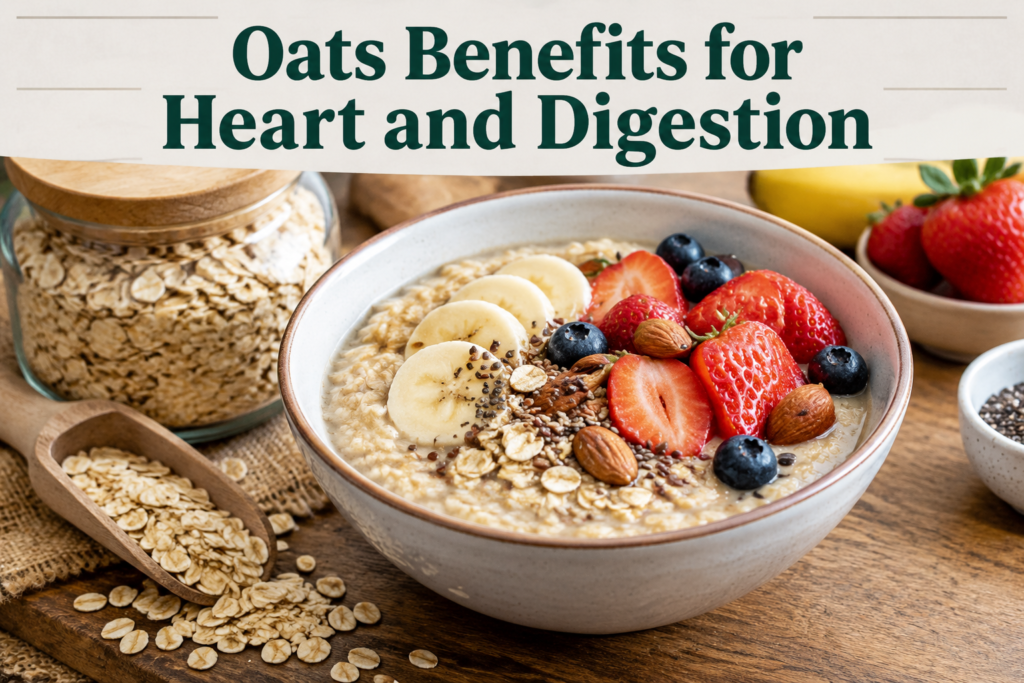
The key is to choose healthy toppings. Adding fresh fruits, nuts, seeds, or yogurt can increase the nutritional value without adding excessive sugar.